India travel guide: Essential tips for safe, smart, and unforgettable trips
When planning a trip to India, a diverse South Asian country with 43 UNESCO World Heritage Sites, vibrant cultures, and extreme regional differences. Also known as the Indian subcontinent, it offers everything from Himalayan treks to tropical beaches—but only if you know what to expect. This isn’t just another travel blog. This is a practical India travel guide built from real experiences, not guesswork.
Many travelers worry about safety, food, or getting sick. The good news? Most issues are preventable. Mumbai, a coastal megacity known for its relative safety for solo travelers and families is often safer than Delhi, a bustling capital where pickpocketing and traffic chaos demand extra caution. If you’re heading to the north, you’ll need to understand how North India, a region with Hindi-speaking populations, colder winters, and historic forts differs from South India, where Tamil and Malayalam are spoken, food is spicier, and temple rituals are deeply rooted in daily life. You don’t need to learn all the languages—but you do need to know the customs.
Before you step into any temple, whether it’s the Taj Mahal, a UNESCO World Heritage Site and India’s most visited monument or a quiet village shrine, there are rules. No shoes. No leather. Cover your shoulders. Don’t point your feet. These aren’t suggestions—they’re expectations. Skip them, and you risk offending locals or even being turned away. Same goes for food. Street food in India is incredible, but not all vendors are clean. Stick to busy stalls with high turnover, drink only bottled or boiled water, and avoid raw salads unless you’re sure they’re washed in purified water. Vaccines? Yes, you need them. Hepatitis A, typhoid, and tetanus are non-negotiable. Rabies? Only if you’re hiking in remote areas. Skip the tourist traps and get your shots from a travel clinic, not a pharmacy.
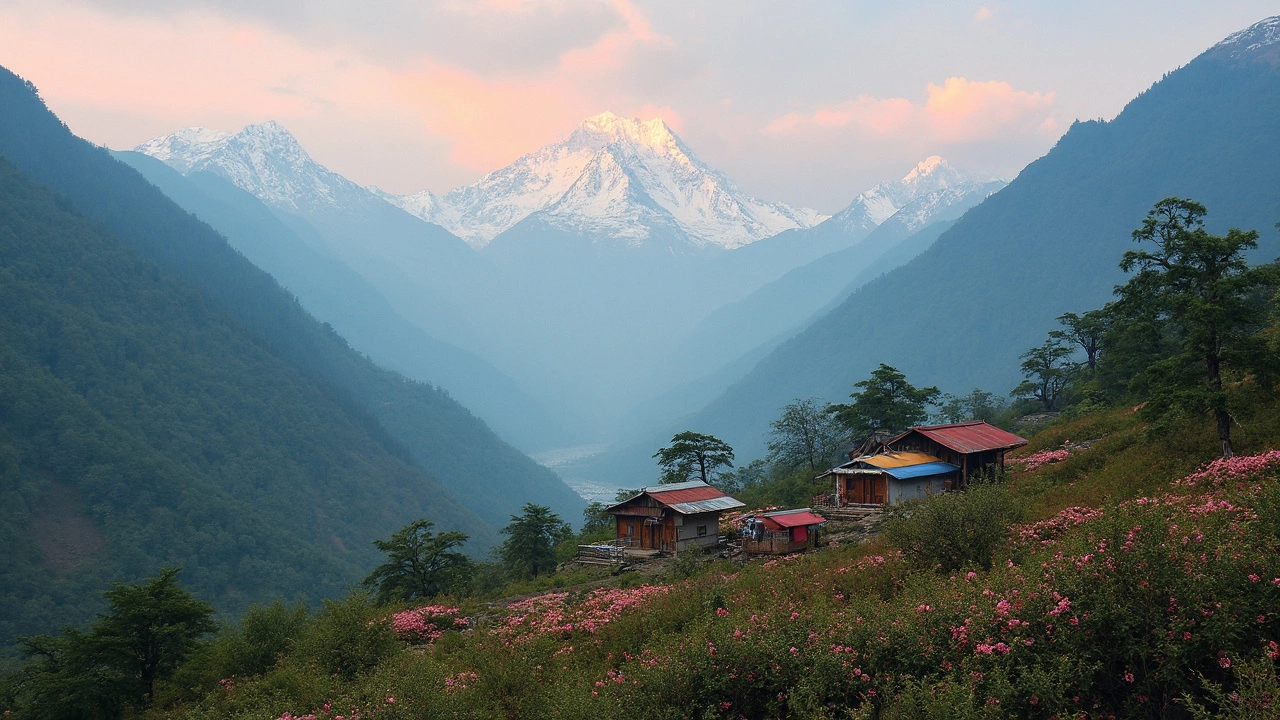
And if you’re thinking about trekking, don’t just grab a map and head out. The Great Himalayan Trail, a 4,500-kilometer route stretching across India’s highest peaks isn’t a hike—it’s a multi-week expedition. Even shorter trails like Roopkund or Kedarkantha require permits, guides, and proper gear. Local guides aren’t expensive, and they’re the difference between a great day and a dangerous one. They know where the river crossings are safe, which villages serve hot chai after a long climb, and which paths are closed due to landslides.
Whether you’re chasing heritage sites, beach sunsets, or mountain silence, this guide cuts through the noise. Below, you’ll find real advice from people who’ve done it—no fluff, no filler, just what works. From visa costs for US travelers to Uber availability in Goa, from temple etiquette to the best cities for foreigners in 2025, every post here answers the questions you didn’t even know to ask. Skip the generic lists. Get the details that matter.
Looking to explore the wonders of North India without worries? This informative guide dives into the safest spots to visit, with practical tips and little-known facts to keep your journey smooth. From the tranquility of Himachal Pradesh to the vibrant culture of Rajasthan, find out where you can wander freely and safely. Learn how to prepare, what to look out for, and make the most of your adventure.