What is Dark Tourism in India? A Guide to Historical Sites of Tragedy
Discover the meaning of dark tourism in India. Explore sites like Jallianwala Bagh and Cellular Jail to understand history's painful chapters.
When you think of historical sites, places where India’s past comes alive through architecture, rituals, and stories that span thousands of years. Also known as heritage sites, these locations aren’t just tourist spots—they’re living records of civilizations that shaped the subcontinent. India holds 43 UNESCO World Heritage Sites, more than any country in South Asia, and each one tells a different story—whether it’s the marble grandeur of the Taj Mahal, a 17th-century mausoleum built by Emperor Shah Jahan as a symbol of love, or the intricate stone carvings of the Ellora Caves, a complex of 34 rock-cut temples and monasteries carved out of volcanic basalt between the 6th and 10th centuries.
These sites aren’t just about old buildings. They’re tied to deep cultural practices. Before entering a temple like the Kashi Vishwanath Temple, one of the twelve Jyotirlinga shrines dedicated to Lord Shiva in Varanasi, you need to know the right dress code and rituals. Many visitors don’t realize that the same rules apply at sites like the Hampi ruins, a vast 14th-century Vijayanagara empire capital with temples, markets, and royal baths still standing. Even the geography matters—Nagpur, called the Heart of India, sits near the center of the country’s historical spread, making it a natural launchpad for trips to both northern forts and southern temple towns.
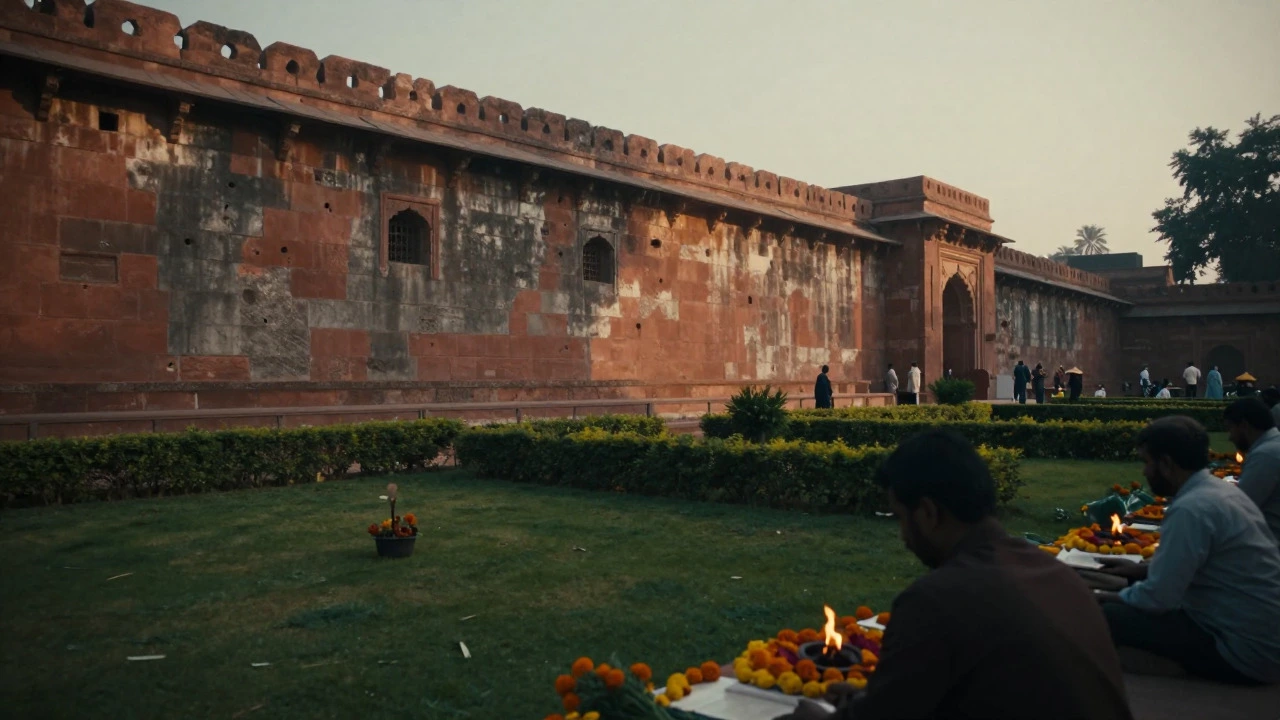
Some of these places are famous for their scale, like the Great Himalayan Trail, a 4,500-kilometer trek that passes ancient pilgrimage routes and forgotten mountain monasteries. Others, like the stepwells of Gujarat or the rock-cut churches of Goa, surprise you with their quiet beauty. You don’t need to be a history buff to feel something when you stand in front of the Agra Fort, a red sandstone fortress where emperors lived, plotted, and were imprisoned. The air changes. The silence feels heavier. That’s the power of these places—they don’t just show you history. They make you feel it.
What you’ll find in the posts below are real, practical guides to visiting these sites—no fluff, no generic lists. Learn how to avoid crowds at the Taj Mahal, what vaccinations to get before visiting temple towns, why hiring a local guide on treks near historical ruins makes a difference, and how to respect local customs so your visit means something more than just checking a box. Whether you’re planning a weekend trip or a months-long journey across India, these stories will help you move beyond the postcard and into the real heartbeat of the past.