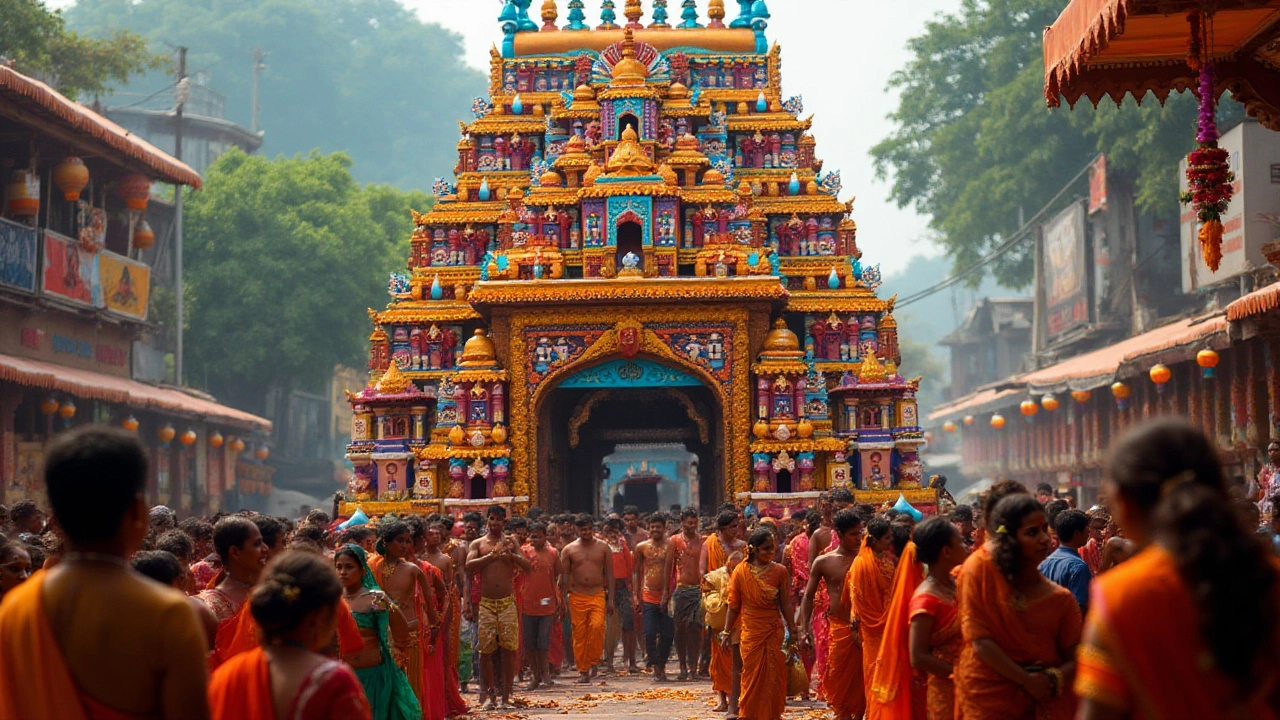
Hindu Temple Etiquette: What You Need to Know Before You Visit
When you step into a Hindu temple, a sacred space of worship, ritual, and community in Hindu tradition. Also known as a mandir, it’s not just a building—it’s a living spiritual center where millions connect with the divine daily. Whether you’re a tourist, a curious traveler, or someone exploring India’s cultural roots, walking into a temple without knowing the basics can lead to awkward moments—or worse, unintentional disrespect.
One of the most common mistakes visitors make? Showing up in shorts or sleeveless tops. Dress code, the unwritten but strictly followed standard of modesty in temple grounds. Also known as temple attire, it’s not about religion—it’s about reverence. Men and women are expected to cover shoulders and knees. In many temples, especially in South India, you’ll need to remove your shoes before entering. Some even ask you to leave bags or cameras outside. It’s not a rule to annoy you—it’s a way to keep the space pure and focused on prayer. Then there’s the matter of touch. Don’t point your feet at idols. Don’t touch the deity or offerings unless invited. And never take photos inside if signs say no—even if everyone else is doing it. Local worshippers aren’t performing for your Instagram; they’re in prayer.
Another key thing? Temple rituals, the daily cycles of offerings, chants, and lighting lamps that keep the spiritual energy alive. Also known as aarti, these aren’t performances—they’re acts of devotion. If you see people circling the sanctum or offering flowers, follow quietly. Don’t block paths. Don’t rush. Stand still if you’re unsure. Many temples also have rules about food and drink. No meat, alcohol, or even onions in some places. Even water bottles might be restricted. These aren’t random restrictions—they’re tied to ancient ideas of purity and intention. You don’t need to believe in the gods to follow these rules. You just need to respect the space. Think of it like entering a quiet library or a hospital ward—you adjust your behavior because others are in a different state of mind.
And here’s something most guides skip: timing matters. Morning is usually the best time to visit. That’s when the temple is clean, the crowds are thin, and the rituals are fresh. Many temples close between noon and 4 p.m. for rest. Some only open for specific festivals. Check ahead. If you show up at the wrong hour, you’ll just be standing outside wondering why the doors are shut.
What you’ll find in the posts below are real, practical stories from travelers who got it right—and some who didn’t. You’ll see exactly what to wear in Varanasi versus Kerala. You’ll learn why some temples ban cameras but allow phones. You’ll understand why women are sometimes asked not to enter during certain days. No fluff. No theory. Just what works, what doesn’t, and why it matters.
Exploring Hindu temples in India offers a deep dive into vibrant culture and ancient traditions. This guide provides travelers with practical tips for respectful visits, including proper attire, behavior, and rituals to be aware of. Learn the significance behind common practices and how to engage respectfully with this integral aspect of Indian heritage. Discover essential insights to ensure an enriching experience while honoring local customs.