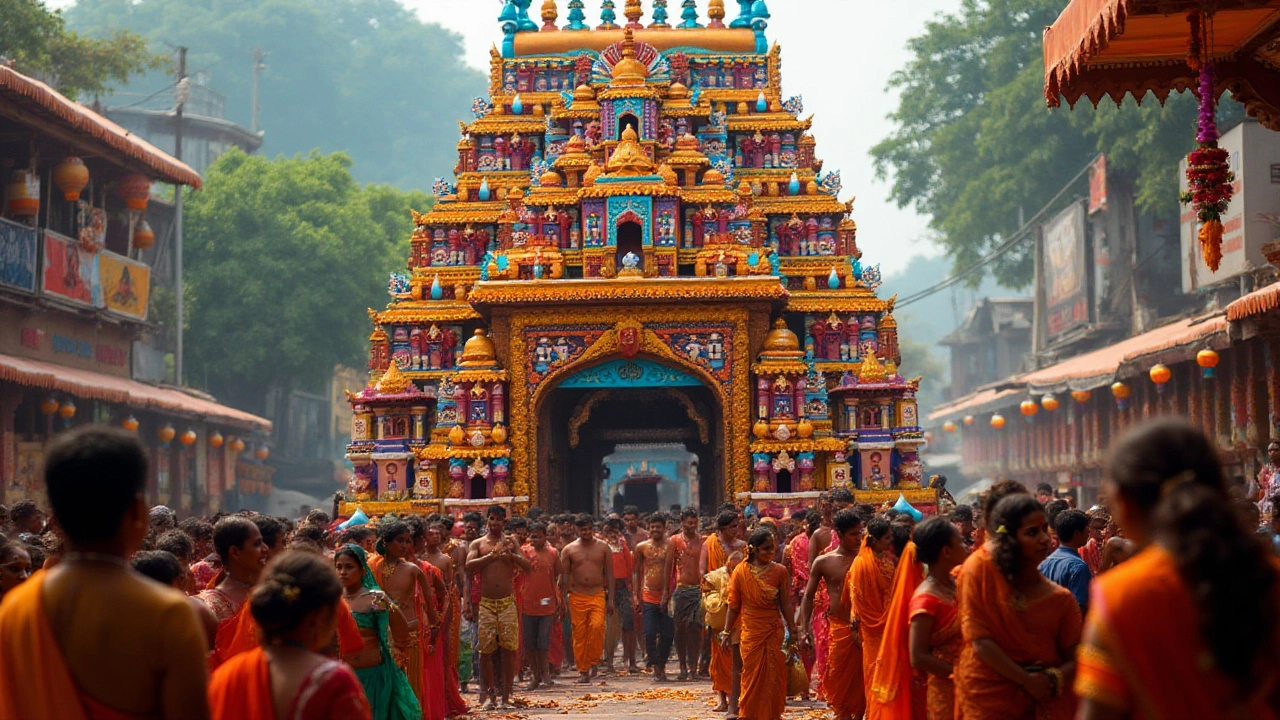
Hindu culture in India: Traditions, temples, and travel tips
When you step into an Indian temple, you’re not just entering a building—you’re stepping into Hindu culture, a living system of beliefs, rituals, and social practices that guide daily life across India. Also known as Sanatana Dharma, it shapes everything from how people eat to how they travel. This isn’t ancient history. It’s today’s reality. From the chants at dawn in Varanasi to the silent offerings at a village shrine in Kerala, Hindu culture is the quiet heartbeat behind India’s most visited places.
That’s why knowing a few basics changes your whole trip. Indian temples, sacred spaces designed for worship, meditation, and community aren’t just tourist spots—they’re active places of devotion. Rules like removing shoes, covering your head, or not pointing your feet at idols aren’t arbitrary. They’re signs of respect built over thousands of years. And if you skip these, you’re not just being rude—you’re missing the point. The same goes for Indian heritage sites, UNESCO-listed places like the Khajuraho temples or the Meenakshi Temple that blend architecture, spirituality, and history. These aren’t museums. They’re still used. People pray there. Children learn there. Festivals explode there. Understanding that makes your visit deeper, not just prettier.
And it’s not just about what you do inside. Temple etiquette, the unspoken rules of behavior around sacred spaces affects how locals see you. Dress modestly. Ask before taking photos. Don’t touch offerings. These aren’t suggestions—they’re the difference between being welcomed and being ignored. Even something as simple as which hand you use to receive prasad matters. Hindu culture doesn’t demand perfection from visitors, but it does ask for awareness. And that awareness? It turns a photo op into a real experience.
That’s why the posts below aren’t just travel tips—they’re cultural guides. You’ll find clear advice on how to enter a temple without offending anyone, what to expect at India’s biggest heritage sites, and how to tell the difference between a ritual and a show. Whether you’re planning a trip to the Taj Mahal, trekking near Kedarnath, or just trying to eat safely in a temple town, the real key isn’t knowing where to go. It’s knowing how to be there. And that starts with understanding Hindu culture—not as a textbook topic, but as the living rhythm behind every step you take in India.
Exploring Hindu temples in India offers a deep dive into vibrant culture and ancient traditions. This guide provides travelers with practical tips for respectful visits, including proper attire, behavior, and rituals to be aware of. Learn the significance behind common practices and how to engage respectfully with this integral aspect of Indian heritage. Discover essential insights to ensure an enriching experience while honoring local customs.