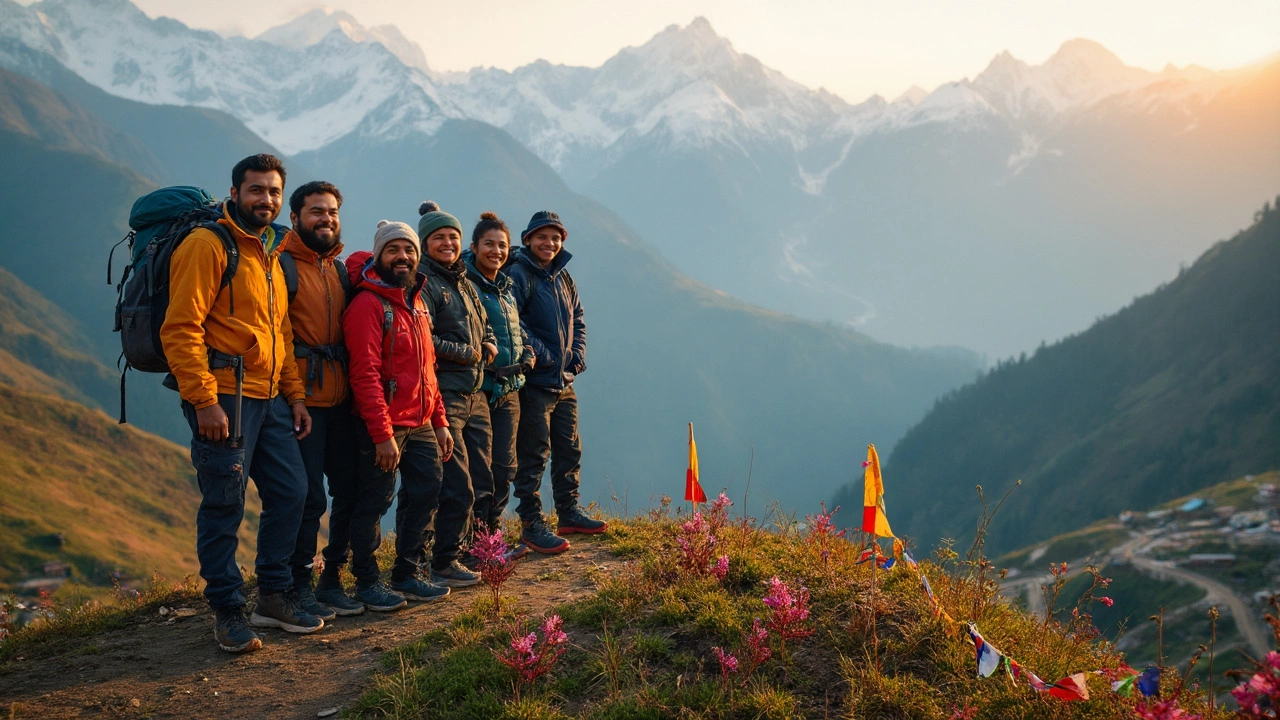
Hiking Destinations in India for Adventure Seekers
When you think of hiking destinations, places where trails lead through wild, untouched landscapes and challenge your body while calming your mind. Also known as trekking routes, these are more than just walks—they’re journeys into India’s most dramatic natural spaces. Whether you’re stepping onto a rocky ridge in the Himalayas or following a forest path in the Western Ghats, every trail tells a story. And in India, those stories are written in snow, jungle, and ancient stone.
The Great Himalayan Trail, a 4,500-kilometer route stretching across the northern border of India, is the country’s longest and most demanding trek. It’s not just a path—it’s a cross-country adventure that connects remote villages, sacred peaks, and high-altitude lakes. Then there’s Himalayan trekking, a broad category that includes famous trails like Roopkund, Kedarkantha, and Markha Valley. These aren’t just tourist spots; they’re places where locals still carry prayer flags, and where the air is so thin you feel every step. You don’t need to be an expert to start, but you do need to know what you’re getting into. Weather changes fast. Altitude hits hard. And some trails require permits, guides, or even a bit of climbing. The good news? India’s best trails are well-documented, and the people who live near them know exactly how to help you stay safe.
What makes these hiking destinations stand out isn’t just the views—it’s the contrast. One day you’re walking past monasteries in Ladakh, the next you’re crossing moss-covered trails in Kerala’s hills. Some routes are crowded with groups, others feel like you’re the first person to ever set foot there. And while you’ll find gear shops in Manali or Gangtok, the real preparation happens in your head: knowing when to turn back, how to read the sky, and why a local guide isn’t just helpful—they’re essential.
Below, you’ll find real stories from people who’ve walked these trails. You’ll see which hikes are best for beginners, which ones need a permit, and which ones are so remote you’ll need to pack everything you’ll need for days. No fluff. Just what works, what doesn’t, and what you should never forget before you lace up your boots.
India isn't just about spicy food and crowded cities—it’s a surprising paradise for trekkers. From the snow-packed Himalayas to wild jungles in the south, India packs more hiking variety than you’d expect. Discover practical tips, bucket-list trails, and things you need to know before lacing up your boots. Find out what makes India unique for both newbie hikers and hardcore trekkers. Eye-opening facts and straightforward guidance included.