Cost of Living in India: What It Really Costs to Live and Travel There
When people talk about the cost of living in India, the total amount of money needed to cover basic expenses like housing, food, transport, and healthcare in the country. Also known as daily expenses in India, it’s one of the biggest factors travelers and expats consider before planning a trip or move. Unlike expensive destinations where a single meal can cost a week’s rent elsewhere, India offers a wide range of spending levels—from ultra-budget backpacking to comfortable mid-range living.
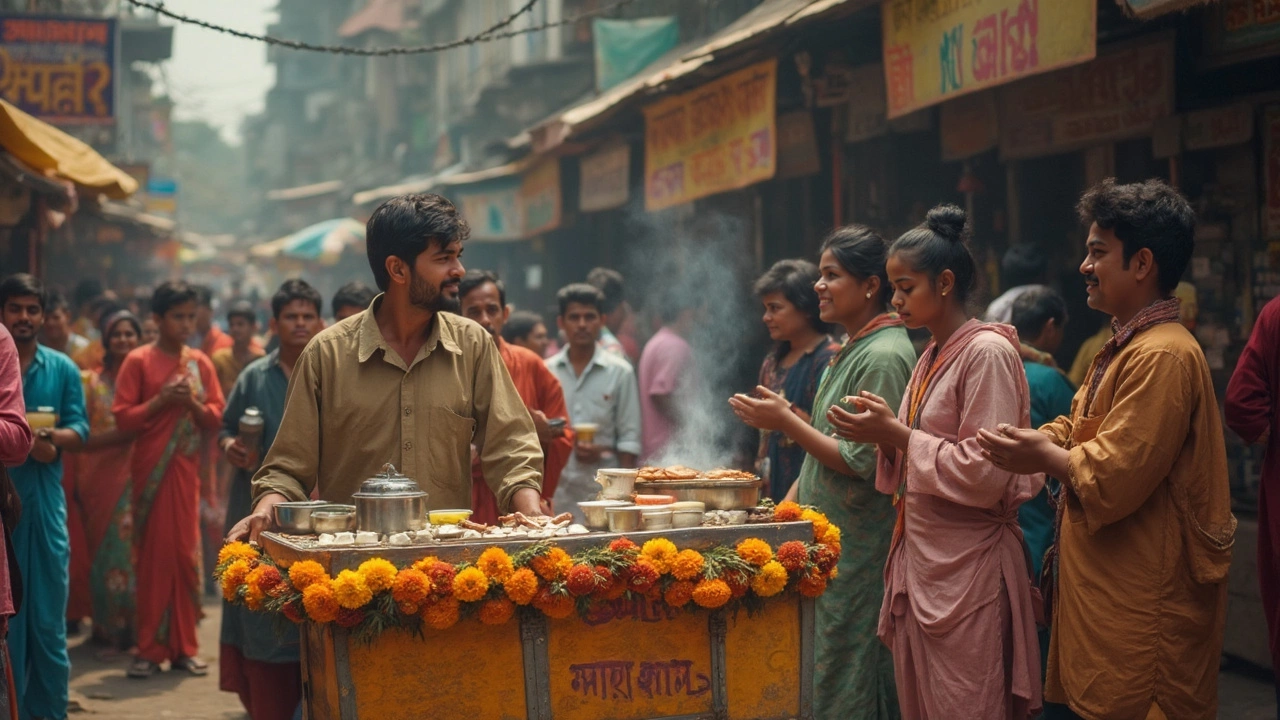
For most travelers, the daily food costs, the average amount spent on meals and snacks per day while traveling in India can be as low as $3–$5 if you stick to local eateries and street vendors. A plate of dal rice or a samosa with chai won’t break the bank. But if you’re eating at tourist-friendly restaurants in Goa or Delhi, that same meal might hit $10–$15. Then there’s accommodation in India, the range of lodging options available, from dorm beds to boutique guesthouses and luxury resorts. You can find a clean private room in a guesthouse for $8–$15 a night in smaller towns, while a decent hotel in Mumbai or Bangalore might cost $30–$60. Even in cities, you won’t pay Western prices for basic comfort.
Transport is another big piece. A rickshaw ride across town? $0.50. A long-distance train ticket from Delhi to Jaipur? Under $15 for a sleeper class. And if you’re flying, budget airlines like IndiGo often have fares under $50 for short hops. But don’t forget hidden costs—like temple donations, guided tours, or entry fees to heritage sites. These add up, especially if you’re visiting multiple UNESCO World Heritage Sites or trekking in the Himalayas. And while vaccinations and travel insurance aren’t mandatory, they’re smart expenses that protect your budget if things go wrong.
The real surprise? India’s cost of living changes dramatically depending on where you are. A family living in Nagpur might spend half what someone spends in Mumbai for the same lifestyle. The south offers cheaper food and lodging than the north, while coastal areas like Goa charge more for beachfront views. Even within cities, neighborhoods matter. Staying near a tourist hub in Delhi means higher prices than a quiet side street.
What you’ll find in the posts below isn’t just a list of prices—it’s a practical guide to what real people actually spend. From how much Uber costs in Goa to whether you need vaccinations before you go, these articles cut through the noise. You’ll see exact numbers for train rides, temple entry fees, and even how much a safe, clean meal costs on the street. No fluff. No guesswork. Just what works for travelers who want to enjoy India without overspending.
Even a single US dollar stretches far in India, unlocking exciting local experiences and value-packed buys. This article reveals what $1 can actually get you across Indian cities, from street snacks and market finds to daily essentials and quirky services. You'll get real prices, travel tips, and a taste of India's unique affordability for tourists and expats. Find out how smart spending can transform even loose change into memorable moments. This is your ultimate guide to maximizing a small travel budget in India.