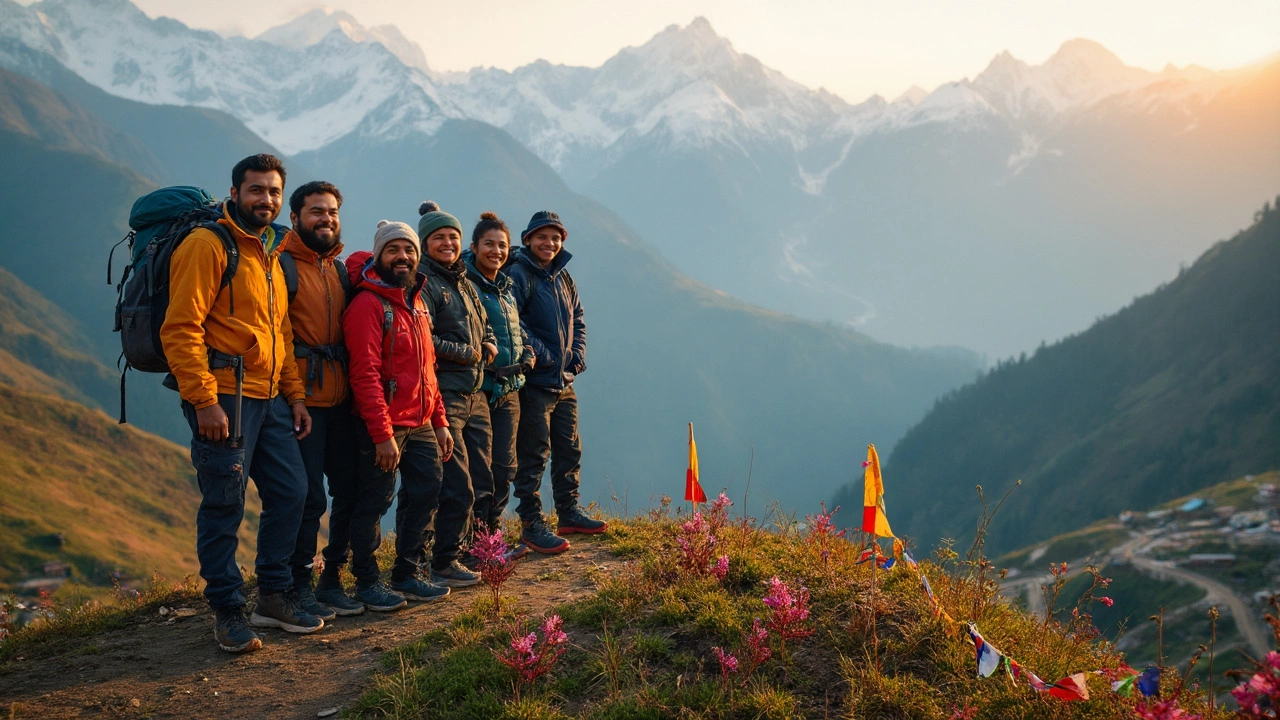
Best Hikes in India: Top Trails, Tips, and Where to Start
When it comes to best hikes in India, stunning mountain trails that range from moderate walks to multi-week expeditions. Also known as Indian trekking routes, these paths take you through remote villages, ancient forests, and high-altitude passes that few tourists ever see. You don’t need to fly to Nepal or Patagonia for epic views—India’s Himalayas, Western Ghats, and Ladakh region hold some of the world’s most breathtaking trails.
Many of these hikes Great Himalayan Trail, a 4,500-kilometer route stretching across India’s northern border are long-distance adventures that require serious planning. But you don’t have to tackle the whole thing. Popular sections like Kedarkantha, Roopkund, and Markha Valley are perfect for first-timers and offer clear trails, local guides, and basic teahouse stays. These aren’t just walks—they’re cultural experiences. You’ll pass through villages where people still grow barley by hand, pray at mountain shrines, and serve hot chai made over wood fires.
One thing most of these hikes share: you need a India trekking guides, local experts who know the terrain, weather patterns, and permit rules. Also known as Himalayan trekking guides, they’re not just there to carry your pack—they’re your safety net. A guide knows where the river crossing is safe after monsoon rain, which path avoids landslides, and which temple to visit for a blessing before summit day. Skip the guide, and you risk getting lost, fined for entering restricted zones, or worse.
Weather matters more than gear. A trail that’s easy in May can turn deadly in July. The best time to hike most of India’s top trails is between March and June, or September and November. Avoid monsoon season unless you’re trained for wet, slippery conditions. And don’t assume altitude won’t get you—many trails start above 2,500 meters. Take it slow. Drink water. Watch for headaches or dizziness. It’s not weakness to turn back.
What you’ll find in the posts below are real, tested routes—not marketing fluff. You’ll see how the Great Himalayan Trail compares to shorter treks, why hiring a guide isn’t optional on many trails, and which hikes are actually safe for solo travelers. There’s also advice on gear that actually works, how to avoid stomach issues on multi-day treks, and which permits you need before you even pack your boots. No theory. No fluff. Just what you need to know before you step onto the trail.
India isn't just about spicy food and crowded cities—it’s a surprising paradise for trekkers. From the snow-packed Himalayas to wild jungles in the south, India packs more hiking variety than you’d expect. Discover practical tips, bucket-list trails, and things you need to know before lacing up your boots. Find out what makes India unique for both newbie hikers and hardcore trekkers. Eye-opening facts and straightforward guidance included.