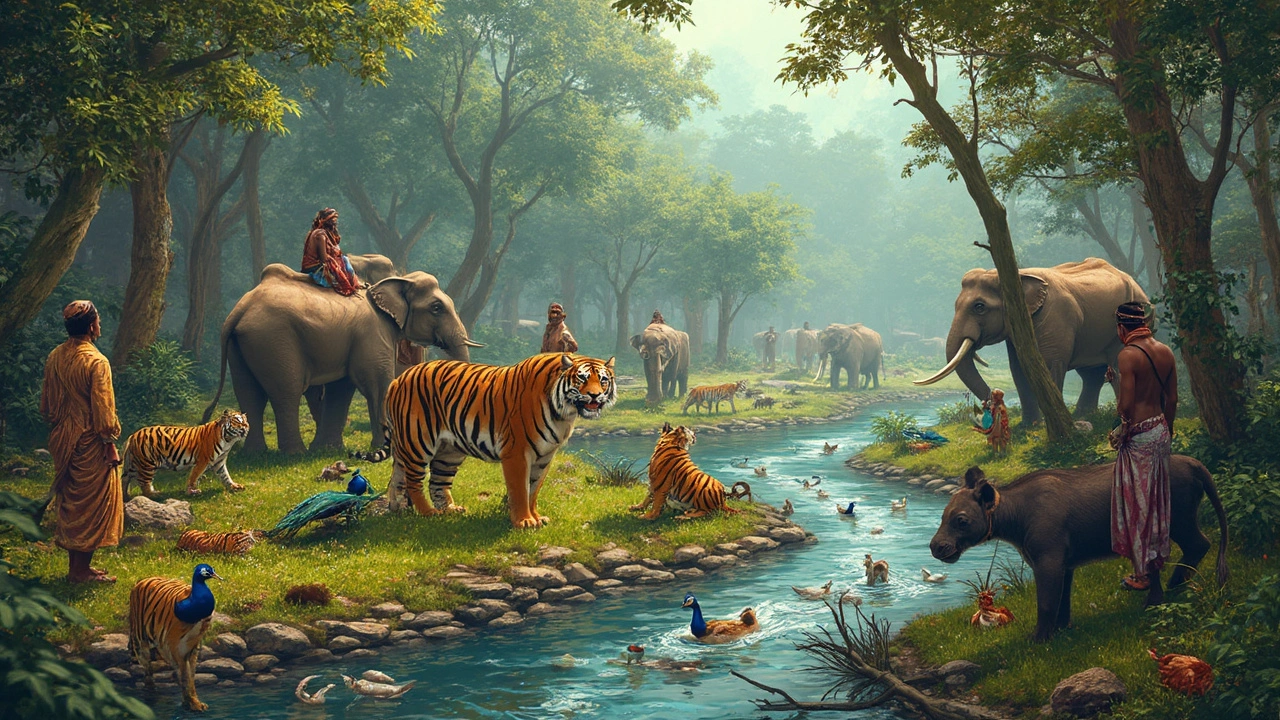
Animal Protection in India: Why It Matters for Wildlife Travelers
When you hear animal protection, the effort to safeguard wildlife from harm, exploitation, and habitat loss. Also known as wildlife conservation, it's not just about banning poaching—it's about how you move through the wild. In India, where tigers still roam free and elephants walk ancient corridors, animal protection means more than signs on a park gate. It’s about whether you choose a camp that feeds animals for photos, or one that lets them live unseen. It’s about whether your guide knows the difference between a protected species and a nuisance. And it’s about understanding that the same forests you visit for adventure are the only homes these animals have left.
Real wildlife conservation India, on-the-ground efforts to preserve native species and their habitats through community action and regulated tourism doesn’t happen in offices. It happens when a local guide refuses to take tourists to a den where a leopard was recently spotted—because the mother is nursing. It happens when a jungle camp uses solar power instead of diesel generators, so noise doesn’t scare off deer at dawn. And it happens when travelers ask: Is this experience helping the animal, or just using it? India has over 400 endangered species, from the snow leopard in the Himalayas to the Great Indian Bustard in Rajasthan. Many of the posts below show how tourism either helps or hurts them. You’ll read about places where elephants are rescued from tourism abuse, and others where their migration paths were cut off by poorly planned lodges.
endangered species India, wild animals in India facing high risk of extinction due to habitat loss, poaching, or human-wildlife conflict aren’t just statistics. They’re the reason you need to know where your camp is located. A camp near a tiger reserve isn’t automatically ethical—it’s only ethical if it follows strict no-feeding, no-flashlight, no-off-road rules. The same goes for birdwatching spots near wetlands or trekking trails near rhino habitats. Some posts here explain how travelers accidentally disturbed nesting sites, while others show how simple changes—like walking quietly or staying on marked paths—can make a real difference. You’ll also find stories about communities that shifted from hunting to guarding wildlife, and how tourism income now pays for their schools and clinics.
Animal protection isn’t about guilt. It’s about awareness. You don’t need to be a biologist to help. You just need to know what to look for. If a camp promises you a tiger sighting every day, walk away. If they let you ride elephants or take selfies with cubs, walk away. The best experiences are the ones where you don’t even see the animal—but you feel its presence in the silence of the forest. The posts below cover everything from how to pick an ethical jungle camp to what to do if you spot a wounded animal. They show you how to travel without turning a wild place into a zoo. And they remind you that the most powerful thing you can do as a visitor isn’t taking photos—it’s leaving things exactly as you found them.
Wildlife sanctuaries play a vital role in conserving biodiversity and protecting endangered species. They provide a safe haven for animals, allowing them to live free from the threats of poaching and habitat destruction. Besides being a refuge, these sanctuaries educate the public and promote conservation efforts. However, some argue that they can inadvertently limit the natural behaviors of animals. Are these sanctuaries truly beneficial, or do they have hidden downsides?