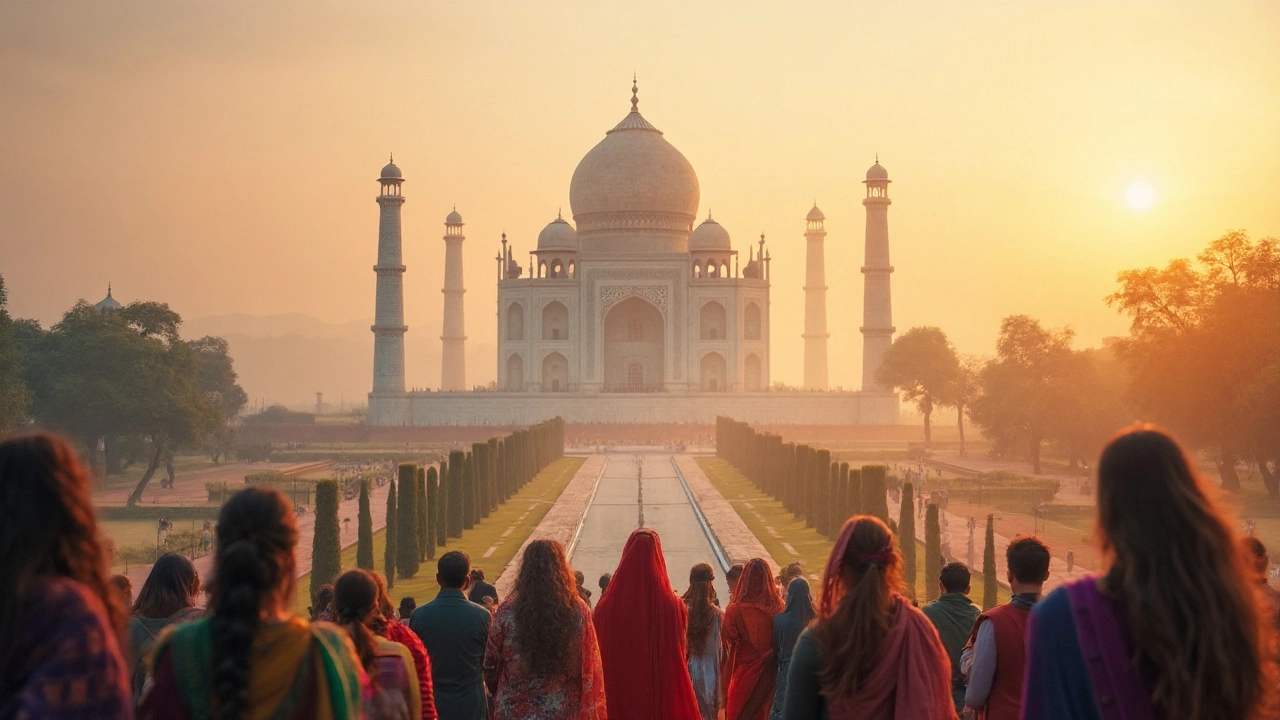
Agra: Where History, Heritage, and the Taj Mahal Come Alive
When you think of Agra, a historic city in northern India famed for its Mughal-era architecture and global icon, the Taj Mahal. Also known as the city of the Taj, it draws millions not just for its beauty, but for the story it carries — of love, loss, and empire. Agra isn’t just one monument. It’s a cluster of living history, where every wall, gate, and garden whispers something from the 16th century.
The Taj Mahal, a white marble mausoleum built by Emperor Shah Jahan for his wife Mumtaz Mahal, and one of the New Seven Wonders of the World is the reason most people come. But Agra also holds the Agra Fort, a massive red sandstone fortress that once housed Mughal emperors and now stands as a UNESCO World Heritage Site, and the hauntingly beautiful Fatehpur Sikri, an abandoned capital city built by Akbar, just 40 kilometers away. These aren’t just postcard views — they’re places where you can feel the weight of history under your feet. If you’ve read about India’s UNESCO World Heritage Sites, locations recognized by the United Nations for their cultural or natural significance, Agra alone holds three of them. That’s more than most countries can claim.
People ask if Agra is worth the trip. The answer isn’t just yes — it’s that you’ll understand India better after seeing it. The Taj doesn’t just look stunning at sunrise; it changes color with the light, and the silence around it feels sacred. The fort isn’t just old stone — it’s where emperors plotted, loved, and were imprisoned. And the streets of Agra? They’re full of artisans still carving marble the same way they did 400 years ago. You won’t find this kind of continuity in most places.
What you won’t find in guidebooks is how easy it is to miss the real Agra if you only go to the Taj. Locals know the best chai spots near the river, the quiet courtyards where no tour groups go, and the hidden viewpoints that show the Taj without the crowds. This collection of posts doesn’t just tell you what to see — it shows you how to feel it. Whether you’re planning your first trip to North India or you’ve been before and want to dig deeper, you’ll find real tips here: how to avoid the tourist traps, when to go so you’re not sweating under a noon sun, and why some guides are worth every rupee.
Confused if the Taj Mahal is in northern or southern India? Learn its exact location, history, travel tips, and interesting facts in this detailed and engaging guide.