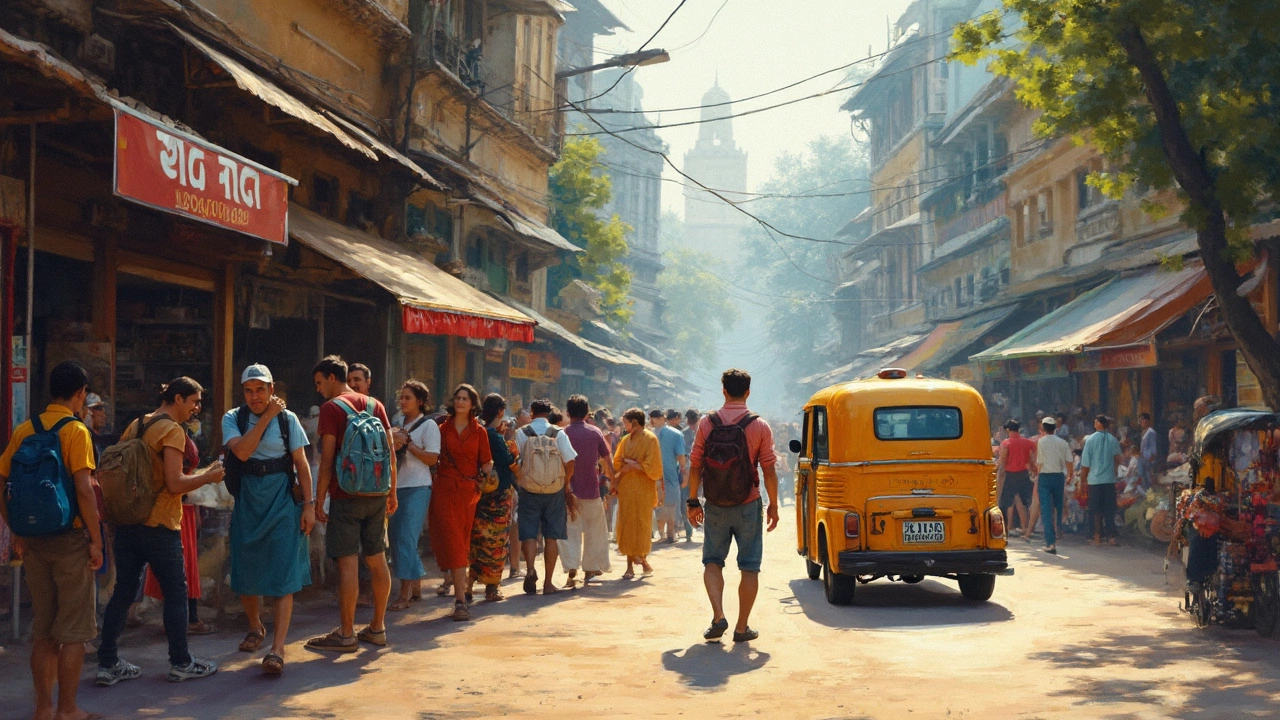
$1000 in India: What You Can Really Do with a Thousand Dollars
Spending $1000 in India, a budget that stretches farther than most travelers expect. Also known as a mid-range travel fund, it’s more than enough to cover flights, lodging, food, and adventures across the country if you know where to focus. This isn’t luxury travel—it’s real, raw, and rewarding travel. You won’t find five-star resorts here, but you will find hidden jungle camps, local homestays, and trails that cost less than your morning coffee back home.
India’s cost structure works in your favor. A night in a basic but clean guesthouse in Rajasthan or Kerala runs $10–$20. A full day of eating street food—samosas, chaat, dosas, and fresh mango juice—costs under $5. Public buses and trains? $1–$5 for a 10-hour ride. Even a guided trek in the Himalayas, like Kedarkantha or Roopkund, can be booked for under $200 with a local operator. And if you’re smart about timing, you can catch a domestic flight from Delhi to Goa for under $80. UNESCO World Heritage Sites, India’s 43 official cultural and natural landmarks. Also known as India’s top tourist spots, these include the Taj Mahal, stepwells of Gujarat, and sacred forests of Odisha—all open to the public with entry fees under $10. You can visit five of them in a week and still have money left for a night in a treehouse near Ranthambore.
Then there’s the wild side. Jungle camps, eco-friendly stays deep in India’s forests, often run by local families. Also known as wildlife retreats, these offer sunrise safaris, campfire dinners, and no Wi-Fi—just the sound of monkeys and crickets. A three-night package in Madhya Pradesh or Uttarakhand runs $150–$250, including meals and guides. That’s less than a single night in a chain hotel abroad. And if you skip the tourist traps and stick to local transport, you can stretch $1000 into a 14-day journey from Nagpur to the beaches of Odisha, with stops at heritage towns, temple complexes, and mountain trails. You don’t need to be rich to experience real India. You just need to know where to spend it.
People assume India is cheap because it’s poor. That’s not it. India is cheap because it’s full of people who make travel work for regular folks—drivers who know back roads, cooks who serve meals for $1, guides who’ll walk you to hidden waterfalls for a tip. With $1000, you’re not just buying a trip. You’re buying access to a system designed for travelers who want more than photos—they want stories.
Below, you’ll find real stories from people who did exactly that: spent $1000, stayed safe, ate well, trekked far, and came back changed. No fluff. No luxury lies. Just what actually fits in a thousand dollars—and how to make it last.
Curious about stretching $1000 across an India adventure? This article breaks down real travel costs, compares daily budgets, and points out smart ways to save. Learn what your money can actually buy in cities and small towns, from food and hotels to sightseeing. Get practical tips for local transport, Wi-Fi, and unexpected expenses. If you want to see just how far your dollars can take you in India, this guide tells it straight.