Explore India's UNESCO Heritage Sites
Filter the list below to explore specific types of heritage sites.
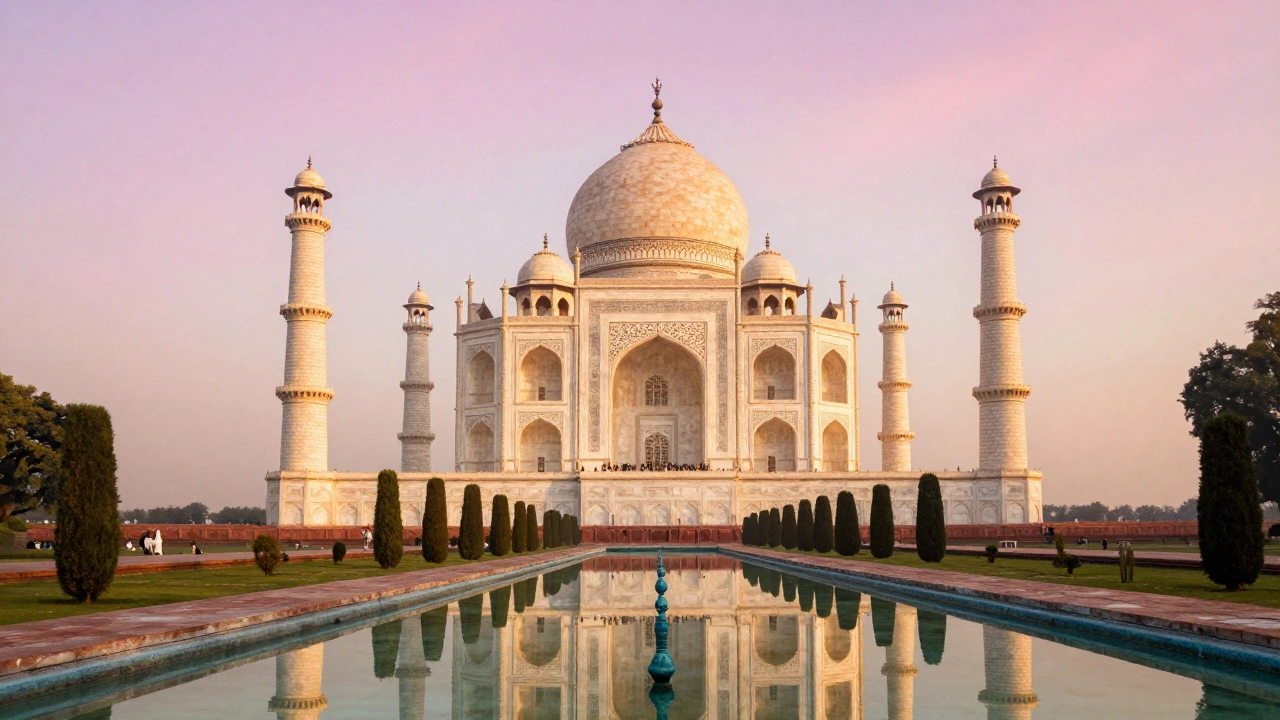
Taj Mahal
Agra, Uttar Pradesh
Inscribed 1983. A white marble mausoleum built by Shah Jahan, representing the pinnacle of Mughal architecture.
Red Fort
Delhi
Built in mid-17th century. The main residence of Mughal emperors, symbolizing imperial power with red sandstone walls.
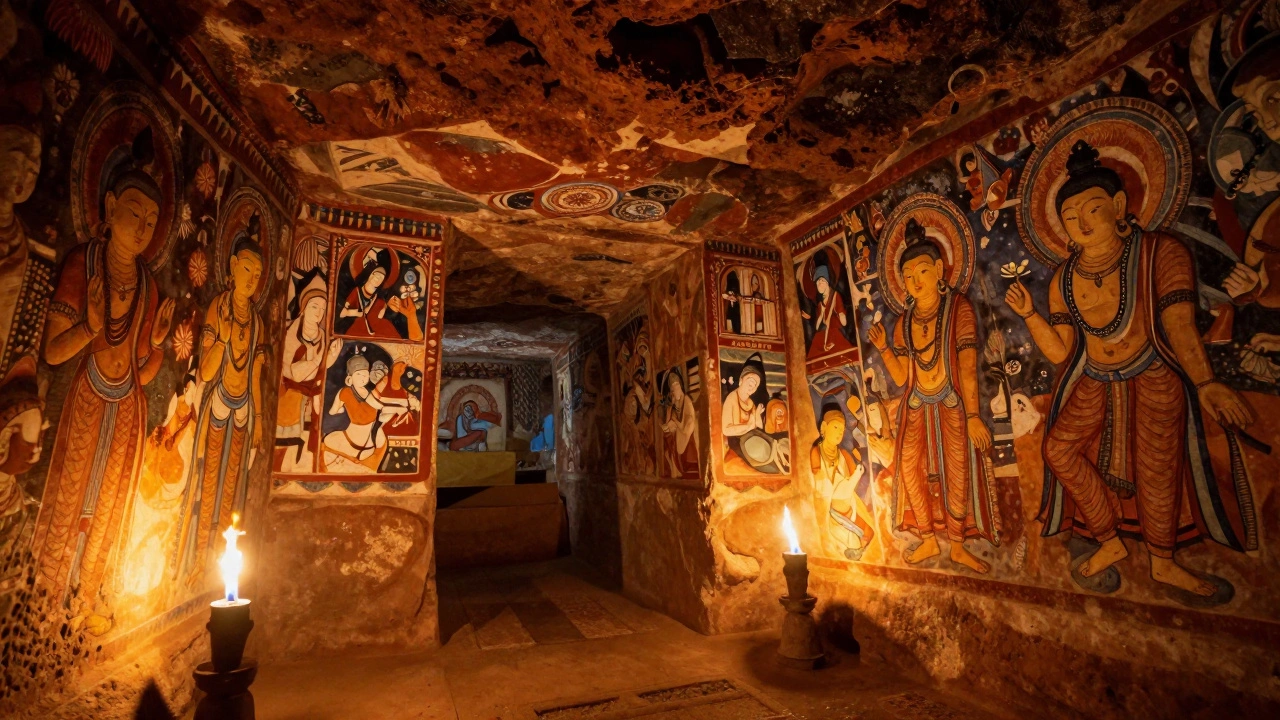
Ajanta & Ellora Caves
Maharashtra
Ancient rock-cut caves featuring Buddhist murals and the Kailasa Temple carved from a single cliff face.
Khajuraho Group
Madhya Pradesh
Famous for erotic sculptures and Nagara-style temple architecture depicting mythology and daily life.
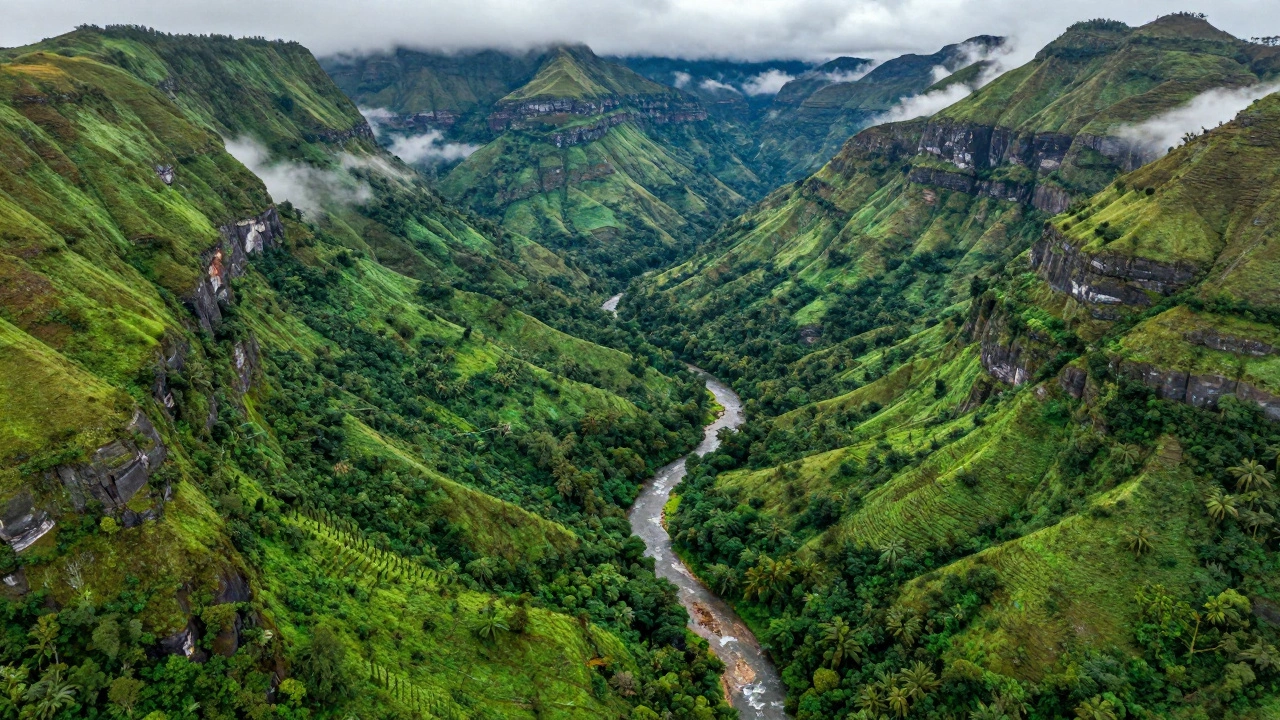
Western Ghats
Multiple States
Inscribed 2012. An ancient mountain range stretching 1,600km, a global biodiversity hotspot older than the Himalayas.
Sundarbans National Park
West Bengal
The world's largest mangrove forest and the habitat of the Royal Bengal Tiger.
Kaziranga National Park
Assam
Home to over two-thirds of the world's greater one-horned rhinoceros population.
Nanda Devi & Valley of Flowers
Uttarakhand
Alpine sanctuary featuring the second-highest mountain in India and rare wildflowers.
Jantar Mantar
Jaipur, Rajasthan
Collection of architectural astronomical instruments built in the early 18th century.
Rani ki Vav
Gujarat
Inscribed 2014. An intricate stepwell dedicated to King Bhima I, serving as both water source and temple.
Rock Art Cultures
Multiple States
Highlights prehistoric connections across the subcontinent through various rock art sites.
Nalanda University
Bihar
Archaeological remains of an ancient center of learning that operated from the 5th to 13th centuries CE.
India is a country that feels like it has layers upon layers of history stacked on top of each other. From the snow-capped Himalayas to the tropical backwaters of Kerala, every region tells a different story. But when it comes to global recognition of this rich past, there is one specific number that travelers and historians alike often ask about. How many UNESCO heritage sites are there in India in 2024?
The short answer is forty-two. As of 2024, India boasts forty-two locations recognized by the United Nations Educational, Scientific and Cultural Organization (UNESCO) as World Heritage Sites. This places India firmly in the top tier of countries globally, sharing the spotlight with giants like China and Italy. It’s not just a random collection of old buildings; these sites represent the pinnacle of human creativity, natural beauty, and historical significance.
If you are planning a trip across Asia or looking for deep cultural immersion, understanding these sites changes how you see the continent. While many people flock to the bustling streets of Southeast Asia, such as exploring the vibrant nightlife and directories like this resource for companionship in Bangkok, the spiritual and architectural weight of India’s heritage offers a completely different kind of connection. These forty-two sites are scattered across the subcontinent, requiring careful planning to visit them all.
The Breakdown: Cultural vs. Natural Wonders
To understand the scale of India’s heritage, we need to split these forty-two sites into their two main categories: Cultural and Natural. UNESCO doesn’t just label things because they are old; they categorize them based on what makes them special. Most of India’s sites fall under the Cultural umbrella, but the Natural ones are equally breathtaking.
- Cultural Sites: There are thirty-eight cultural sites. These include ancient temples, forts, palaces, stepwells, and even entire city centers. They tell the story of empires, religions, and artistic movements that span thousands of years.
- Natural Sites: There are four natural sites. These are protected areas known for their biodiversity, geological formations, or ecological importance. They are sanctuaries for rare species and stunning landscapes.
This ratio shows that India’s claim to fame is largely its human history. However, don’t let the numbers fool you. The four natural sites are massive in size and critical for the planet’s health. Let’s look at some of the most iconic examples from both lists.
Iconic Cultural Sites You Must Know
When people think of India’s heritage, a few names come up immediately. These aren’t just tourist traps; they are engineering marvels and spiritual centers that have survived centuries of change.
The Taj Mahal in Agra is perhaps the most famous building in the world. Inscribed in 1983, it was built by Mughal emperor Shah Jahan as a mausoleum for his wife Mumtaz Mahal. It’s a perfect example of Mughal architecture, blending Persian, Islamic, and Indian styles. White marble, intricate pietra dura inlay work, and symmetrical gardens make it a visual masterpiece.
Then there is the Ajanta and Ellora Caves in Maharashtra. These aren’t just caves; they are open-air museums carved out of volcanic rock. The Ajanta Caves date back to the 2nd century BCE and feature stunning Buddhist murals. The Ellora Caves, slightly later, include Hindu, Buddhist, and Jain monuments. The Kailasa Temple at Ellora is particularly mind-blowing because it was carved from a single cliff face, top-down, which is an architectural feat that still baffles engineers today.
In the north, the Red Fort in Delhi stands as a symbol of imperial power. Built by Shah Jahan in the mid-17th century, it served as the main residence of the Mughal emperors. Its red sandstone walls and complex layout reflect the grandeur of the empire at its peak. Every year on Independence Day, the Prime Minister of India hoists the flag here, keeping its political significance alive.
For those interested in religious diversity, the Khajuraho Group of Monuments in Madhya Pradesh is essential. Built by the Chandela dynasty between 950 and 1050 CE, these temples are famous for their erotic sculptures. But beyond the stereotypes, they are also masterpieces of Nagara-style temple architecture, depicting everyday life, mythology, and spirituality with incredible detail.
Natural Wonders of India
While the cultural sites draw crowds, the natural sites offer solitude and raw beauty. India’s four natural World Heritage Sites are critical for conservation efforts.
The Western Ghats is the largest of these inscribed in 2012. Stretching over 1,600 kilometers along the western coast, this mountain range is older than the Himalayas. It is a biodiversity hotspot, home to thousands of plant species and hundreds of animal species, many found nowhere else on Earth. If you love trekking or birdwatching, this is your playground.
The Sundarbans National Park in West Bengal is another gem. Inscribed in 1987, it is the largest mangrove forest in the world. It is best known as the habitat of the Royal Bengal Tiger, which can swim through the tidal waters. The park protects a unique ecosystem where land meets sea, supporting crocodiles, dolphins, and countless birds.
In the northeast, the Kaziranga National Park in Assam is vital for saving the greater one-horned rhinoceros. Over two-thirds of the world’s population of these majestic creatures lives here. The park also hosts elephants, tigers, and swamp deer. It’s a rugged, muddy, and thrilling place to witness wildlife in its natural state.
Lastly, the Nanda Devi and Valley of Flowers National Parks in Uttarakhand offer alpine beauty. Nanda Devi is the second-highest mountain in India, and the surrounding valley is a sanctuary for rare flora and fauna. The Valley of Flowers blooms with hundreds of species of wildflowers during the monsoon season, creating a carpet of color against the backdrop of towering peaks.
Recent Additions and Updates
The list of forty-two isn’t static. UNESCO adds new sites regularly, and sometimes existing sites are expanded. Understanding recent additions helps you appreciate the evolving narrative of India’s heritage.
In recent years, sites like the Jantar Mantar in Jaipur have gained more attention. Built by Maharaja Sawai Jai Singh II in the early 18th century, it is a collection of nineteen major architectural astronomical instruments. It represents the height of medieval Indian astronomy and science. Similarly, the Rani ki Vav in Gujarat, a stepwell dedicated to King Bhima I, was inscribed in 2014. It is celebrated for its intricate carvings and engineering, serving as both a water source and a temple.
It’s worth noting that some sites are transnational, shared with other countries. For instance, the Rock Art Cultures of India includes sites in multiple states, highlighting the prehistoric connections across the subcontinent. Keeping track of these updates ensures you’re visiting the most historically significant spots.
Why Does This Number Matter?
You might wonder why the exact count matters. Is it just a bragging right? Not really. The UNESCO designation brings international protection, funding for conservation, and global awareness. It forces local governments to maintain these sites to high standards. For travelers, it acts as a curated list. With so many places to see in India, knowing which ones are UNESCO-listed helps prioritize your itinerary.
However, it’s important to remember that not every great site in India is on the list. Many beautiful temples, forts, and villages are waiting to be discovered but haven’t yet received the stamp of approval. The list is a starting point, not the end of the journey.
| Category | Count | Key Examples |
|---|---|---|
| Cultural | 38 | Taj Mahal, Red Fort, Khajuraho Temples |
| Natural | 4 | Western Ghats, Sundarbans, Kaziranga |
| Mixed | 0 | None currently |
| Total | 42 | All listed sites combined |
Planning Your Visit: Tips and Pitfalls
Visiting forty-two sites is a lifetime project. Even if you focus on ten, you need a strategy. Here are some practical tips to make the most of your heritage tour.
- Start with the Golden Triangle: Delhi, Agra, and Jaipur cover several key sites like the Red Fort, Taj Mahal, and Amber Fort. It’s the easiest entry point for first-time visitors.
- Consider the Season: North India can get extremely hot in summer and cold in winter. Plan accordingly. The Western Ghats are best visited after the monsoon for lush greenery.
- Hire Local Guides: At sites like Ajanta and Ellora, a good guide transforms a walk through caves into a deep dive into history. They explain the symbolism behind the carvings that you’d miss otherwise.
- Respect Conservation Rules: Many sites have strict rules about photography, touching structures, or entering certain areas. Follow them to help preserve these wonders for future generations.
- Look Beyond the Famous Ones: Once you’ve seen the Taj Mahal, try lesser-known sites like the Champaner-Pavagadh Archaeological Park in Gujarat or the Mahabalipuram group of monuments in Tamil Nadu. They offer similar beauty with fewer crowds.
Avoid peak tourist seasons if possible. Places like Varanasi’s sacred ghats or the Hampi ruins can become overwhelming with crowds. Early morning visits are usually the best bet for peace and better photos.
The Future of India’s Heritage
As climate change and urbanization pose new threats, protecting these sites becomes more challenging. Rising sea levels threaten coastal sites like the Sun Temple in Konark. Air pollution affects the marble of the Taj Mahal. Ongoing conservation efforts are crucial.
India continues to nominate new sites for consideration. The goal is not just to increase the number but to ensure sustainable tourism. Community involvement is key. When local people benefit from tourism, they become the best guardians of their heritage.
Whether you are a history buff, a nature lover, or just curious traveler, India’s forty-two UNESCO World Heritage Sites offer a window into the soul of the nation. Each site has a story, a struggle, and a triumph. Take your time, explore deeply, and you’ll find that these places are not just relics of the past, but living parts of India’s present.
How many UNESCO heritage sites are there in India in 2024?
There are forty-two UNESCO World Heritage Sites in India as of 2024. This includes thirty-eight cultural sites and four natural sites.
Which was the first UNESCO site in India?
The Ajanta Caves were among the first sites inscribed in 1983, along with the Elephanta Caves, Fatehpur Sikri, Group of Monuments at Mahabalipuram, Group of Monuments at Pattadakal, Hawa Mahal, Mount Abu, Qutb Minar, Sanchi Stupa, and Taj Mahal.
Are there any mixed heritage sites in India?
No, India does not currently have any mixed heritage sites (those with both cultural and natural significance). All forty-two sites are categorized as either purely cultural or purely natural.
What is the newest UNESCO site in India?
The most recent additions include the Rock Art Cultures of India and the Nalanda University archaeological site. Check the official UNESCO website for the very latest inscriptions as new sites are added annually.
How long does it take to visit all UNESCO sites in India?
Visiting all forty-two sites would take several months due to their geographic spread. Most travelers focus on a cluster of sites, such as the Golden Triangle or the temples of Odisha, which can be covered in 10-14 days.