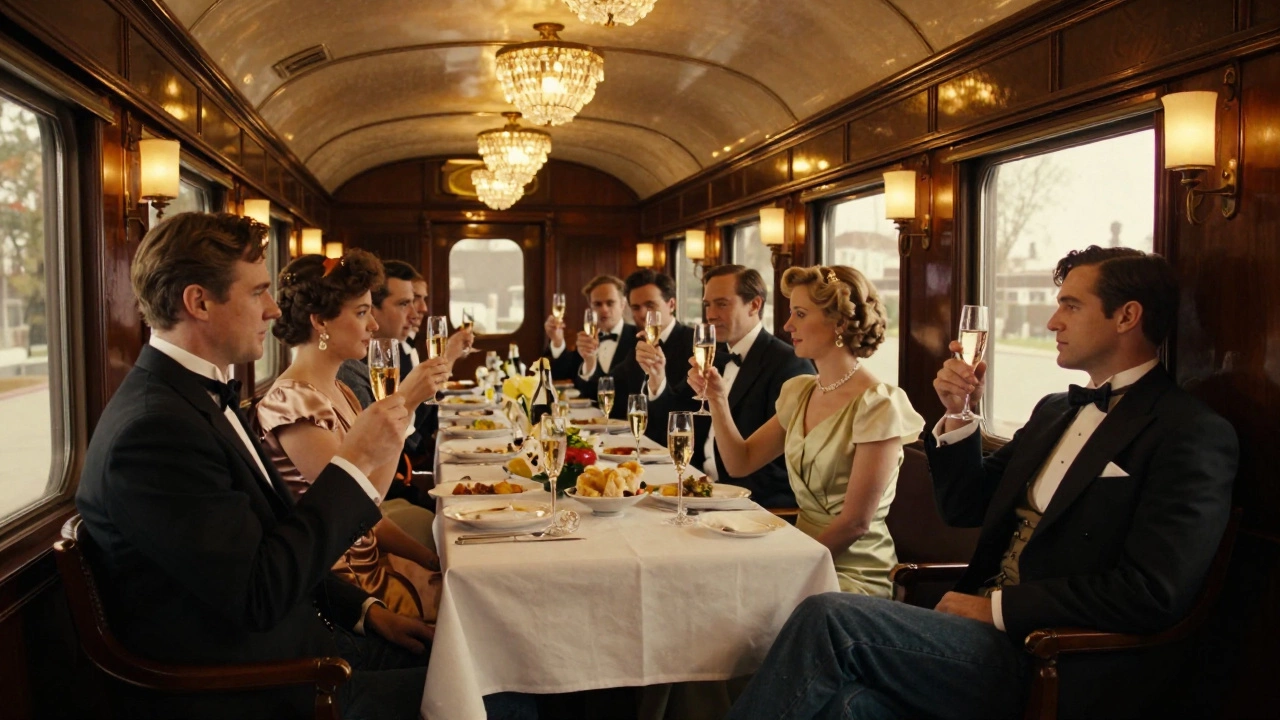
When you book a ticket on the Venice Simplon-Orient-Express, you’re not just buying a ride-you’re stepping into a moving palace from the golden age of travel. The clink of crystal glasses, the scent of polished wood, the whisper of silk as you glide through the Alps: this isn’t a train. It’s theater. And like any great performance, there’s a script. One question keeps popping up in forums and emails: Can you wear jeans on the Orient Express? The short answer? Not really. But the real story is far more interesting.
Why the Dress Code Exists
The Venice Simplon-Orient-Express doesn’t just recreate a historic journey-it resurrects a lifestyle. The original Orient Express, which began running in 1883, was the first train to offer luxury travel across Europe. It carried royalty, spies, writers, and tycoons. Back then, even a short train ride demanded full formal attire. Women wore long gowns. Men donned tailcoats and top hats. It wasn’t about comfort. It was about status. Today’s version, operated by Belmond, keeps that spirit alive. The dress code isn’t arbitrary. It’s part of the experience. You’re not just traveling from Paris to Istanbul-you’re playing a role in a 1930s Agatha Christie novel. Skip the jeans, and you’ll feel like the one person at a black-tie gala who showed up in sneakers.What You’re Actually Allowed to Wear
The train has three main environments, each with its own rules:- Dining Rooms (evening meals): Black tie or formal evening wear. For men, that means a tuxedo, dark suit with tie, or at minimum, a jacket and dress shirt. No jeans. No sneakers. No polo shirts. For women, cocktail dresses, elegant skirts, or tailored pantsuits are perfect. A simple black dress? Ideal. A denim skirt? Not acceptable.
- Bar Car and Lounge (evenings): Smart casual. Think dark trousers, blazers, silk tops, or dresses. Jeans are still out. But you can swap the tuxedo for a well-fitted wool blazer and loafers.
- During the Day (sightseeing, lounging): Comfort meets refinement. Smart separates are fine: tailored chinos, linen shirts, silk blouses, cardigans. No shorts, no flip-flops, no athletic wear. And yes-that means no ripped jeans. But dark, clean, non-distressed jeans? Still not allowed. The line is thin, but it’s there.
Here’s the thing: you won’t be turned away at the door. But you’ll feel it. The stares. The silence. The way the steward’s smile doesn’t quite reach their eyes. You’ll notice the woman in the emerald velvet dress, the man with the pocket square, and you’ll realize you’re the only one who didn’t get the memo.
Why Jeans Don’t Work-Even the Dark Ones
You might think, “But I’ve seen people wear dark jeans on luxury cruises.” That’s true. But cruise ships are casual by design. The Orient Express is not. It’s a floating museum of 1920s elegance. The cabin attendants wear white gloves. The waiters serve caviar with mother-of-pearl spoons. The carpets are handwoven. The glassware is from Baccarat. Jeans, even the best ones, carry a cultural weight. They’re associated with labor, rebellion, youth, and informality. That’s fine on a city street. It’s jarring in a cabin where the wallpaper is hand-painted silk. There’s also a practical side. The train moves through 10 countries. The dining rooms are small. The tables are close. You don’t want to be the one whose jeans snag on a velvet chair or leave lint on the white linen.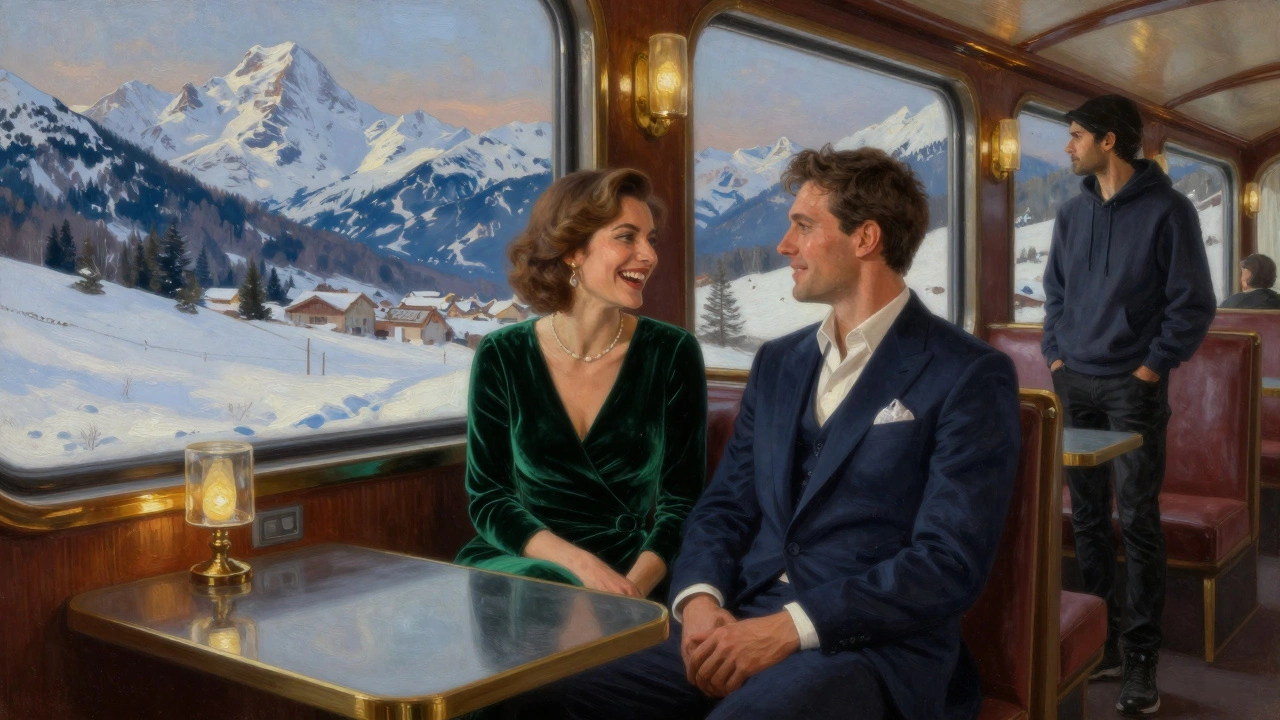
What to Pack Instead
You don’t need to buy a whole new wardrobe. But you do need to rethink your suitcase.- For men: One dark wool suit, one tailored blazer, two dress shirts (one white, one patterned), a silk tie, a pair of leather oxfords, and one pair of dark chinos for daytime. Bring a pocket square. It costs $15 but makes you look like you belong.
- For women: One cocktail dress, one silk blouse with tailored trousers, one wrap dress, a pair of low heels, and a fine wool cardigan. A statement necklace goes further than a dozen pairs of earrings.
- For both: A lightweight cashmere wrap. The train’s air conditioning is strong. A scarf is both practical and elegant.
Pro tip: Pack your formal wear in a garment bag. The train’s cabin staff will press your clothes for you-free of charge. Just leave them on the bed the night before.
What Happens If You Show Up in Jeans?
You won’t be kicked off. But you’ll miss out. Imagine this: You’re seated in the Grand Salon, the chandeliers glowing, the violinist playing Gershwin. The waiter brings you a glass of Dom Pérignon. You raise it. Then you look around. Everyone else is in velvet, lace, and silk. You’re in denim. The moment loses its magic. You’re not part of the story anymore-you’re an outsider watching it. Some travelers try to justify jeans with “I’m not rich, I just want to enjoy the ride.” But luxury isn’t about how much money you have. It’s about how you choose to show up. The Orient Express doesn’t care if you’re a CEO or a teacher. It cares if you respect the ritual.Real Travelers’ Stories
In 2024, a couple from Melbourne booked their trip for their 30th anniversary. They’d saved for two years. On the train, the wife wore a 1930s-inspired emerald gown she’d rented. The husband wore a bespoke navy suit. They were photographed in the bar car, laughing, sipping champagne. They still send postcards from every stop. Another traveler, a tech entrepreneur from San Francisco, showed up in black jeans and a hoodie. He thought it was “chill luxury.” He spent the whole trip eating alone in his cabin, watching the others dine. He left early. Said he felt “like a ghost.”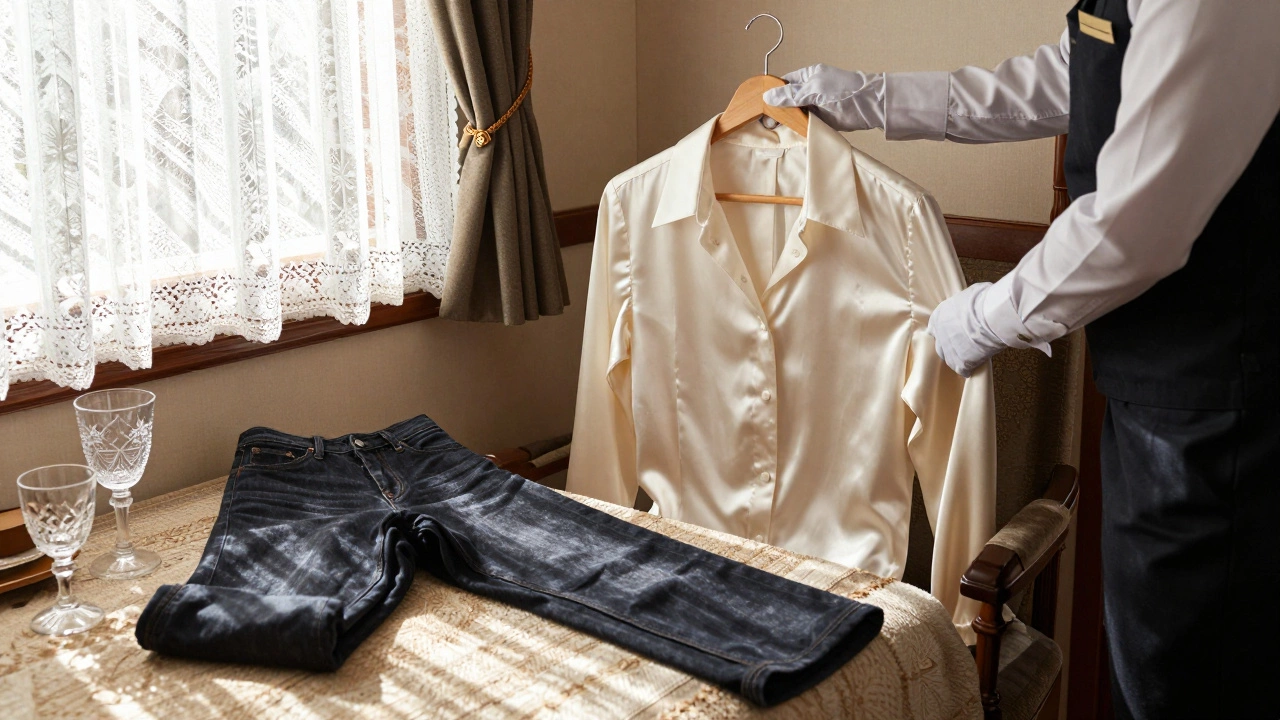
Is There Any Flexibility?
Yes-but only in one place: the daytime lounges. If you’re traveling with kids, or if you’ve got a long layover in Vienna or Budapest, you can dress more casually. But even then, the rules are clear: no shorts, no tank tops, no athletic shoes. Think “elegant weekend.” And if you’re traveling for a special occasion-engagement, anniversary, proposal-the staff will help you. They’ve arranged proposals in the bar car, hidden rings in dessert menus, even arranged for a violinist to serenade a guest. But they need you to play along.The Bigger Picture: Why This Matters
This isn’t about fashion. It’s about presence. In a world where everything is casual-where Zoom meetings happen in pajamas, and weddings are in jeans-the Orient Express is a rebellion. It asks you to slow down. To notice. To dress not for comfort, but for ceremony. It’s not about impressing others. It’s about honoring the journey. The train doesn’t run every day. It doesn’t have Wi-Fi. It doesn’t care if you’re trending on Instagram. It’s a time machine. And like any time machine, it requires you to step into its world-not drag your own into it.Final Answer: Can You Wear Jeans?
No. Not on the Orient Express. Not even the dark ones. Not even if they’re brand new. Not even if you’re tired. Not even if you think it’s “fine.” But here’s the secret: you don’t need jeans. You need something better. Something that makes you feel like you’re part of something timeless. A silk shirt. A tailored coat. A pair of shoes that click on the wooden floor. The train doesn’t ask for money. It asks for presence. And when you show up dressed for it? That’s when the magic begins.Can I wear jeans during the day on the Orient Express?
No. Even during the day, jeans are not permitted. The dress code for daytime is smart casual: tailored chinos, linen shirts, blouses, and cardigans. Dark, clean jeans might seem harmless, but they still carry the casual, everyday connotation that clashes with the train’s historic elegance. The staff will not stop you, but you’ll feel out of place among guests in silk and wool.
Is there a penalty if I wear jeans?
There’s no formal penalty-you won’t be kicked off the train. But you’ll be visibly out of step. Dining room staff may subtly seat you away from others. Fellow passengers may avoid conversation. You’ll miss out on photo opportunities, special services, and the full immersive experience. The real cost isn’t money-it’s the feeling of being an outsider in a carefully curated world.
What if I’m traveling with children? Do they need to dress up too?
Children are exempt from formal rules, but they’re still expected to dress neatly. Think collared shirts, dresses, or smart pants-not t-shirts or shorts. The train provides children’s menus and activities, and staff are happy to help kids feel included. But even kids wear sweaters and polished shoes. It’s about respect, not restriction.
Can I rent formal wear on board?
No, there’s no rental service on the train. You must bring your own formal attire. However, Belmond offers a complimentary pressing service for all clothing. If you’re flying in, consider packing your suit or dress in a garment bag. Many travelers rent outfits in Paris or Venice before boarding-this is the best way to ensure a perfect fit.
Why don’t they just update the dress code to be more modern?
Because the Orient Express isn’t trying to be modern. It’s trying to preserve a vanished world. The dress code is part of the authenticity. Passengers don’t pay to see a train-they pay to step into 1929. Changing the rules would break the illusion. It’s not about excluding people. It’s about inviting them into a carefully maintained moment in time. Those who respect the ritual get the full experience. Those who don’t? They get a ride.