
Wildlife Sanctuary Ethical Assessment Tool
Assess Sanctuary Ethical Standards
Answer these questions to determine if a wildlife sanctuary meets ethical standards.
Imagine standing face-to-face with a tiger. The air is thick with the scent of the wild. You feel a thrill rush through your veins. But wait. Is that tiger free? Or is it chained behind a fence, waiting for your photo? This is the dilemma facing modern travelers. We want to connect with nature, but our money often fuels exploitation. Wildlife sanctuaries are protected areas dedicated to the care and conservation of wild animals. They promise a haven for rescued creatures, yet the line between rescue and exploitation is often blurry. In 2026, the question isn't just if you can visit, but if you should.
Defining the Difference Between Sanctuaries and Zoos
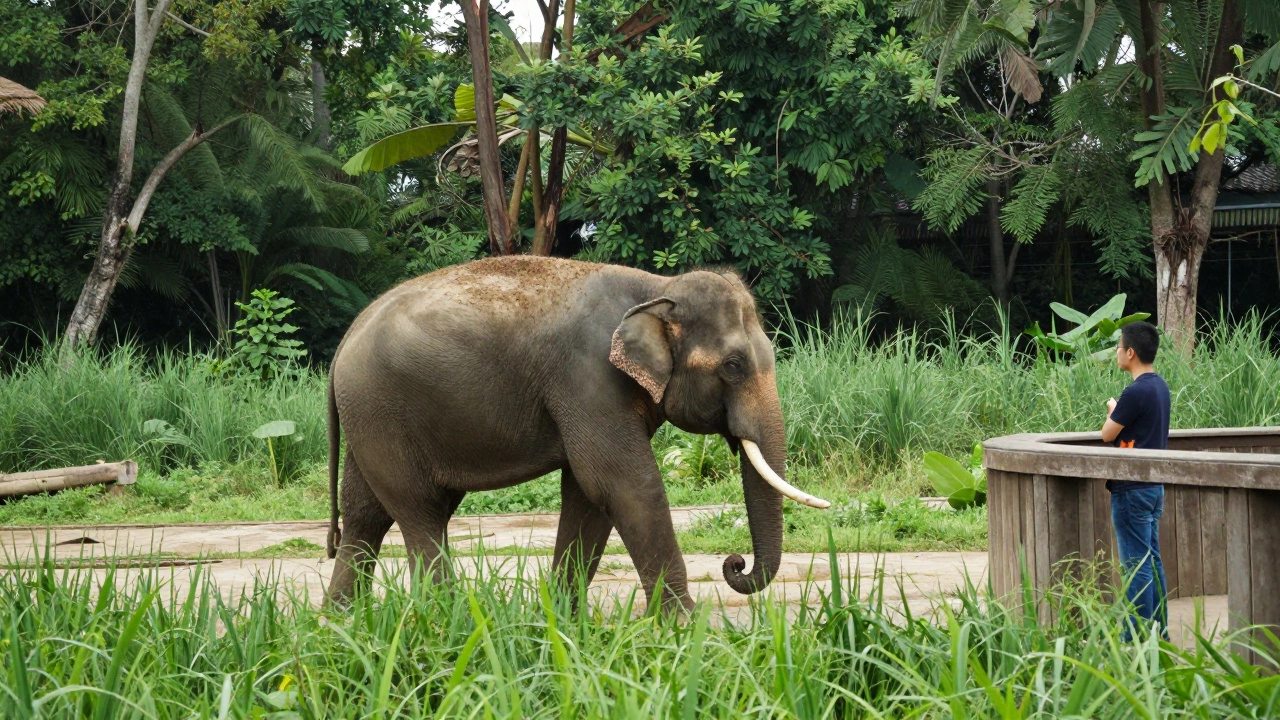
To understand ethics, you must first understand the model. A traditional zoo focuses on public display. Animals live in enclosures designed for human viewing. Breeding programs often prioritize rare species for genetic diversity, but the primary goal is education through observation. A sanctuary, by definition, prioritizes the animal's well-being over human entertainment. The animals usually cannot be touched, ridden, or forced to perform. They live in environments that mimic their natural habitat as closely as possible.
However, the terminology is often misused. Many places call themselves sanctuaries to attract tourists while operating like zoos. They accept donations but keep the animals in small cages. They claim to rescue animals but breed them to ensure a steady supply of attractions. This greenwashing confuses travelers who genuinely want to help. You need to look past the marketing brochures. Does the facility allow close contact? If yes, it is likely not a true sanctuary. True sanctuaries understand that wild animals are not pets.
Identifying Red Flags in Animal Tourism
How do you spot a bad operation before you book a ticket? There are specific warning signs that scream unethical treatment. First, look at the interaction level. If the tour includes feeding the animals by hand, riding elephants, or walking with lions, walk away. These activities require training methods that often involve pain or fear. Elephants used for rides typically undergo a process called "phajaan" or the crush, which breaks their spirit through physical abuse.
Second, examine the enclosures. Are there visible chains? Are the animals sleeping in unnatural positions? Do they show signs of stereotypic behavior, like swaying back and forth or pacing? These are signs of psychological distress. Third, check the breeding policy. Ethical sanctuaries do not breed animals for display. They take in injured, orphaned, or confiscated animals that cannot survive in the wild. If a place sells cubs for photos, they are running a breeding farm, not a conservation center.
| Feature | Ethical Sanctuary | Unethical Facility |
|---|---|---|
| Animal Contact | Observation only | Touching, riding, feeding |
| Breeding | No breeding for display | Active breeding programs |
| Enclosures | Large, naturalistic habitats | Small cages, visible chains |
| Staff Focus | Animal welfare first | Tourist experience first |
| Transparency | Open about funding and care | Vague about animal origins |
The Role of Conservation Funding
Money is the lifeblood of any sanctuary. Without funding, they cannot provide veterinary care, food, or land maintenance. However, where does that money come from? In ethical operations, entry fees and donations go directly toward animal care and habitat restoration. In unethical ones, the majority of revenue goes to marketing and shareholder profits. You should ask how the facility supports the wider ecosystem. Do they work with local communities to prevent poaching? Do they fund research on endangered species?
Some sanctuaries rely heavily on tourism revenue. This creates a conflict of interest. If they need more money, they might be tempted to increase visitor numbers or offer more "interactive" experiences. This pressure can compromise animal welfare. A truly sustainable model balances tourism with other funding sources, such as grants from conservation organizations. Look for partnerships with recognized bodies. If a sanctuary is isolated and refuses to share financial data, that is a risk.
Accreditation and Standards
How do you verify a facility's claims? Accreditation is your best tool. Several global organizations set standards for animal care. The Global Federation of Animal Sanctuaries (GFAS) is a key player. They accredit facilities that meet strict criteria regarding animal welfare, habitat quality, and transparency. Another important body is the World Association of Zoos and Aquariums (WAZA), which oversees many accredited zoos that function as conservation hubs. The Association of Zoos and Aquariums (AZA) is another rigorous standard-bearer, particularly in North America.
Accreditation isn't just a sticker on the wall. It involves regular audits. Inspectors check the animals' health, the staff's training, and the facility's policies. If a sanctuary loses accreditation, it is usually due to a violation of these standards. Before visiting, check the sanctuary's website for their accreditation status. If they claim to be accredited but cannot provide a link to the accrediting body, be skeptical. In 2026, digital transparency is expected. Reputable organizations publish their inspection reports online.

Visitor Responsibility and Impact
Your presence matters. Even in an ethical sanctuary, large crowds can stress animals. Noise, sudden movements, and the sheer number of people can disrupt natural behaviors. Responsible tourism means respecting boundaries. Stay behind barriers. Keep your voice down. Do not flash cameras if it disturbs the wildlife. Your goal is to observe, not to perform. When you choose to visit, you are voting with your wallet. You are telling the market what kind of tourism you support.
Consider the broader impact. Does the sanctuary hire local staff? Do they engage with the community? If a sanctuary displaces local people to create a park, it is creating a different kind of harm. Ethical sanctuaries often work with indigenous groups to protect land. They share knowledge and resources. This creates a sustainable ecosystem where humans and animals coexist. If you are unsure, ask the staff about their community programs. Their answer will tell you a lot about their values.
Looking Toward the Future of Wildlife Tourism
The industry is shifting. In recent years, more travelers have demanded transparency. Social media exposes bad practices quickly. A viral video of a neglected animal can destroy a business overnight. This pressure forces facilities to improve. We are seeing a rise in "sanctuary tourism" where the focus is on education rather than entertainment. Virtual tours are also becoming popular. They allow people to see the animals without the physical stress of a crowd.
Technology plays a role too. Cameras and sensors monitor animal health in real-time. Data is shared with researchers globally. This helps scientists understand migration patterns and disease. Sanctuaries are becoming research hubs. They contribute to the knowledge base needed to protect species in the wild. As we move forward, the definition of a sanctuary will likely evolve. It will become less about a physical place and more about a network of care. The goal is to make the wild safe enough that sanctuaries are eventually unnecessary.
What makes a wildlife sanctuary ethical?
An ethical sanctuary prioritizes animal welfare over profit. It does not breed animals for display, allows no direct contact like riding or touching, and focuses on rescue and rehabilitation. Accreditation from bodies like GFAS is a strong indicator.
Are all zoos unethical?
Not all zoos are unethical. Accredited zoos often participate in breeding programs for endangered species and fund conservation projects. However, many smaller roadside zoos lack proper standards and should be avoided.
Can I feed animals at a sanctuary?
Generally, no. Ethical sanctuaries prohibit feeding by visitors to prevent dietary issues and dangerous behavior. Feeding often encourages animals to expect food from humans, which can lead to aggression.
How do I verify a sanctuary's claims?
Check for accreditation from recognized organizations. Look for transparency in funding and animal origins. Read independent reviews and watch for red flags like breeding programs or close-contact activities.
Is it better to donate or visit?
Donating to a verified organization is often more impactful. It supports care without adding stress to the animals. If you visit, choose facilities that limit visitor numbers and focus on education.