Maldives Travel Cost Estimator
The sticker price is only half the story. Estimate your total transport and access costs below.
Trip Details
Cost Breakdown
You just checked the price for a round-trip ticket from Mumbai or London to Maldives, and your eyes nearly popped out. It’s not just a little higher than Bali or Thailand; it’s often double or triple. You’re probably wondering if you’re looking at first-class fares by mistake. You aren’t.
The truth is, getting to this string of coral islands in the Indian Ocean is genuinely costly, but not because airlines are greedy without reason. There is a complex web of logistics, geography, and market dynamics driving those numbers up. If you understand why the bill is so high, you can actually find ways to pay less. Let’s break down the real reasons behind the sticker shock.
Key Takeaways
- Geographic Isolation: The Maldives is an archipelago of 1,190 islands spread over 800 kilometers, making supply chains and fuel logistics expensive.
- Limited Competition: Only one major international airport (Velana International Airport) serves most tourists, limiting airline competition on certain routes.
- Seasonal Demand Spikes: Prices skyrocket during peak winter months (November-April) when European and Asian travelers flee the cold.
- Resort Transfer Costs: The flight price is only half the story; seaplane or speedboat transfers add $300-$600 per person.
- High Operating Costs: Fuel, landing fees, and infrastructure maintenance on remote islands drive up carrier expenses.
The Geography Problem: Why Distance Equals Dollars
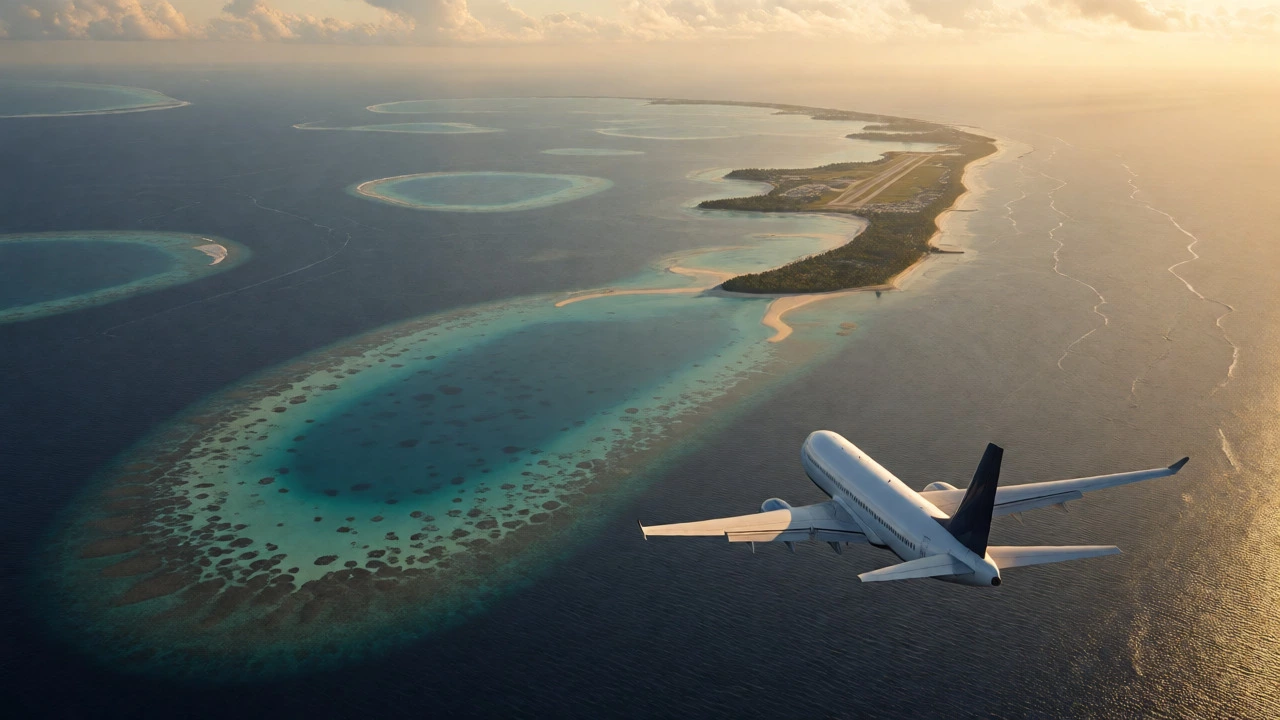
Think about where the Maldives sits. It’s a chain of low-lying coral atolls sitting right on the equator, roughly 750 kilometers southwest of Sri Lanka. For someone flying from New York, that’s a massive distance involving multiple layovers. Even for neighbors like India or Singapore, the logistical hurdle isn’t just distance-it’s capacity.
Airports on small islands have strict limits. Velana International Airport (MLE) in Malé handles about 90% of all tourist arrivals. Because there’s essentially one main gateway, airlines know they hold all the cards. They don’t need to slash prices to fill seats because demand consistently outstrips supply, especially during peak seasons. If MLE were closed tomorrow, there’s no nearby alternative hub with the same connectivity. This monopoly-like status on entry points allows carriers to maintain premium pricing.
Furthermore, the sheer number of islands complicates things. Once you land in Malé, you aren’t done traveling. Most luxury resorts are located far from the capital. This creates a secondary layer of cost that many first-time visitors overlook until checkout.

Supply and Demand: The Seasonality Trap
Have you ever tried booking a Maldives trip in December? You’ll see prices that make your wallet cry. That’s seasonality in action. The Maldives has two main seasons: the dry northeast monsoon (November to April) and the wet southwest monsoon (May to October).
During the dry season, the weather is perfect-calm seas, clear skies, and zero rain. Everyone wants to go then. Europeans escaping the freezing winter, Asians dodging their own holiday rushes, and North Americans taking Christmas breaks all converge on these islands simultaneously. Airlines capitalize on this surge. They reduce discount inventory and keep base fares high because they know people will pay for guaranteed sunshine.
Conversely, if you fly in June or July, you might save 40% on airfare. But here’s the catch: you risk rough seas and heavy rain. Some resorts even close during this period due to low occupancy. So, while the flight is cheaper, the experience might be compromised. It’s a trade-off between your bank account and your vacation reliability.
Hidden Costs: The Transfer Tax Nobody Talks About
Here is a secret that travel agents sometimes gloss over: the flight to Malé is just step one. To get to your resort, you usually need a seaplane or a long-speedboat ride. These aren’t included in your airline ticket.
| Transfer Type | Distance Range | Estimated Cost (USD) | Best For |
|---|---|---|---|
| Speedboat | < 50 km | $50 - $150 | Nearby local islands or budget resorts |
| Domestic Flight + Boat | 100 - 400 km | $200 - $400 | Distant atolls like Haa Alif or Laamu |
| Seaplane | Any distance | $400 - $600+ | Mid-to-far resorts; daytime arrival required |
If you book a "cheap" flight but end up paying $500 each for a seaplane transfer, your total transport cost balloons instantly. Seaplanes are particularly pricey because they require specialized pilots, strict weather windows, and limited seating capacity. Unlike commercial jets, you can’t just bump up the frequency easily. This scarcity drives the price up further.

Operational Realities: Why Flying Here Costs More
Airlines operate on thin margins. In the Maldives, those margins are thinner than usual due to unique operational challenges. First, fuel costs. Jet fuel must be imported to every single island that hosts an airstrip. Transporting diesel and aviation fuel across open ocean adds a significant markup compared to mainland airports where pipelines exist.
Second, infrastructure maintenance. Building and maintaining runways on coral atolls exposed to saltwater corrosion and rising sea levels is incredibly expensive. Airlines pass some of these infrastructure surcharges onto passengers through landing fees and taxes. When you buy a ticket, part of that money goes toward keeping the airport functional in a harsh marine environment.
Third, crew logistics. Pilots and cabin crew staying overnight in Malé incur high hotel and meal costs. Since accommodation in Malé is scarce and expensive (it’s one of the most densely populated places on earth), airlines face higher per-diem expenses for their staff. These operational overheads inevitably trickle down into ticket prices.
How to Beat the High Prices
So, is the Maldives off-limits for anyone on a budget? Not necessarily. You just have to play the game differently.
- Book Early or Last Minute: Airlines use dynamic pricing. Booking 3-6 months ahead often secures better rates. Alternatively, last-minute deals pop up if flights are undersold, though this is risky during peak season.
- Choose Your Resort Location Wisely: Stay closer to Malé if you want to avoid seaplane fees. Resorts within 50 km are accessible via speedboat, saving hundreds per person.
- Consider Shoulder Seasons: May and October offer a sweet spot. Prices drop, crowds thin out, and the weather is still manageable for many days.
- Look for Package Deals: Sometimes, tour operators bundle flights and transfers at a rate lower than booking separately. Compare total package costs against DIY bookings.
- Check Nearby Airports: Occasionally, flying into Colombo, Sri Lanka, and taking a short hop to Malé can be cheaper, though visa and transit time must be factored in.
Are flights to the Maldives more expensive than other tropical destinations?
Yes, generally speaking. Compared to popular hubs like Phuket, Bali, or Cancun, Maldives flights often carry a 30-50% premium. This is due to limited direct flight options, higher operational costs on remote islands, and strong seasonal demand from high-spending tourists.
Does the time of year affect flight prices significantly?
Absolutely. Peak season (December to March) sees the highest prices due to global holiday travel and ideal weather. Shoulder months like April, May, September, and October can offer savings of 20-40%, though you may encounter occasional rain showers.
Why are seaplane transfers so expensive?
Seaplanes have limited capacity (usually 15-19 passengers), require specialized pilots, and operate only during daylight hours. Their operating costs are high due to fuel consumption and maintenance needs. Additionally, there are few competitors offering this service, allowing providers to maintain premium pricing.
Can I save money by flying to Sri Lanka instead?
Sometimes. Flights to Colombo (CMB) are often cheaper than direct flights to Malé (MLE). However, you must add the cost of a short-haul flight or ferry to the Maldives, plus potential visa fees and extra travel time. Always calculate the total journey cost before deciding.
Is it worth paying more for a direct flight?
For families or short trips, yes. Layovers increase fatigue and risk missed connections, which could ruin tight resort transfer schedules. For solo travelers or those with flexible itineraries, connecting flights via Dubai, Doha, or Istanbul can offer substantial savings without too much hassle.