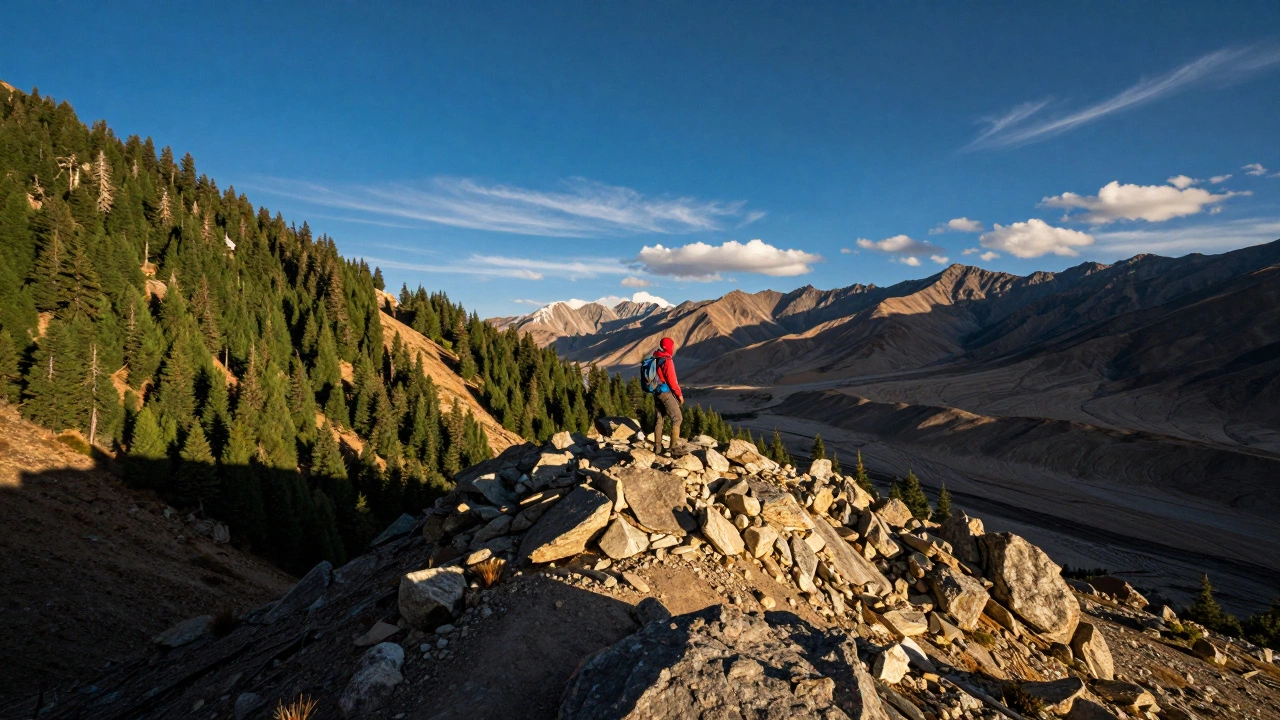
Find Your Perfect High-Altitude Trek
Answer three questions to find the trek that matches your skills and schedule.
There is a moment on every serious Indian trek when the air gets thin enough to make your head spin. You look down at the valley floor, now just a green smear miles below, and realize you are standing on top of the world. But if you are asking which is the tallest trek in India, you need to separate marketing hype from geological fact. The answer isn't as simple as pointing to one peak. It depends entirely on whether you want to stand on a summit above 6,000 meters or simply cross a high mountain pass.
India’s Himalayas offer some of the most dramatic vertical gains on Earth. However, "tallest" can mean two very different things: the highest point you touch (summit elevation) or the highest point on the trail itself (pass elevation). Most commercial treks focus on passes because they are accessible without technical climbing gear. True summits require mountaineering skills. Let’s break down the real contenders for the title of the highest trek in India, looking at both categories so you know exactly what you are signing up for.
The Distinction Between Treks and Mountaineering
Before we name names, it is crucial to understand the difference between a trek and a climb. In the context of Indian tourism, a "trek" usually means walking on established trails using only boots and poles. You might use ropes for safety on steep sections, but you do not need ice axes or crampons for technical ascents. These treks typically cap out around 5,000 to 5,400 meters.
If you want to go higher, you enter the realm of mountaineering. Peaks like Stok Kangri (6,153m) or Island Peak equivalents in the Indian sector require technical training. Many agencies label these as "treks" to attract beginners, but be careful. If the itinerary includes fixed ropes, harnesses, and glacier travel techniques, it is a climb. For this guide, we will focus on the highest non-technical treks first, then mention the summit options for those who have the skills.
Highest Non-Technical Treks: The Pass Crossings
For the average adventurer with good fitness but no climbing experience, the "tallest" treks are defined by their highest pass. Here are the giants of the category.
Hampta Pass: The Gateway to Lahaul
Hampta Pass is perfect for beginners wanting to taste high altitude. The trek takes about three days. The challenge here isn’t just height; it’s the sudden change in environment. You hike through dense deodar forests one day and emerge into a windswept plateau the next. The wind at the pass can be brutal, dropping temperatures even in summer. It is a great introduction to altitude sickness prevention, as you spend nights at moderate heights before hitting the peak.
Kedarkantha: The Winter Classic
Located in Uttarakhand, Kedarkantha reaches a summit of 12,500 feet (3,810 meters). Wait, that sounds low compared to others. Why is it famous? Because it is one of the few treks where you can walk on thick snow in January without needing technical gear. It is not the tallest, but it is the most accessible high-snow experience. For many, the "height" feels greater because of the whiteout conditions and the sheer volume of snow you wade through.
Roopkund: The Mystery Lake
Roopkund is significantly higher than Hampta or Kedarkantha. At over 5,000 meters, the oxygen levels drop sharply. This is where acclimatization becomes critical. The trek usually starts from Lohajung and takes five to six days. The final ascent to the lake is steep and exposed. There are no trees above 4,000 meters, leaving you vulnerable to sun and wind. If you are looking for a true high-altitude test without technical climbing, Roopkund is a top contender.
Chandrashila: The View from Above
Another Uttarakhand favorite, Chandrashila, sits at 13,000 feet (3,980 meters). Part of the Har Ki Dun circuit, it offers panoramic views of Nanda Devi, Kamet, and Chaukhamba. It is less physically demanding than Roopkund but still requires endurance. The key here is the visibility. On clear days, you can see peaks that are technically higher, making you feel like you are above them all.
Highest Summit Treks: Pushing 6,000 Meters
If you have prior high-altitude experience or are willing to learn basic mountaineering skills, you can aim for actual summits. These are not casual hikes.
Stok Kangri: The Highest Walk-Up Summit
Stok Kangri is the king of high-altitude treks in India. Located near Leh in Ladakh, it draws adventurers from around the globe. The catch? It is expensive, logistically complex, and weather-dependent. You must arrive in Leh at least three days early to acclimatize. The climb itself involves navigating scree slopes and potentially using fixed ropes near the summit ridge. It is not for the faint-hearted. The risk of Acute Mountain Sickness (AMS) is real and dangerous at this height.
Island Peak (Lingtren): The Borderline Case
While Island Peak is technically in Nepal, many Indian expeditions start from Kathmandu. However, within India, there are similar high-altitude objectives in the Siachen region, but these are restricted military zones. For civilians, Stok Kangri remains the highest accessible summit. Another option is the Deo Tibba trek in Himachal Pradesh, which reaches 4,673 meters. It is less crowded than Hampta and offers a serene, high-altitude experience with beautiful alpine lakes.
Comparing the Giants: Which One Is Right for You?
Choosing the "tallest" trek depends on your skill level, budget, and timing. Here is a quick comparison to help you decide.
| Trek Name | Max Elevation | Difficulty | Best Season | Key Feature |
|---|---|---|---|---|
| Stok Kangri | 6,153m | Hard (Mountaineering) | July - August | Highest non-technical summit |
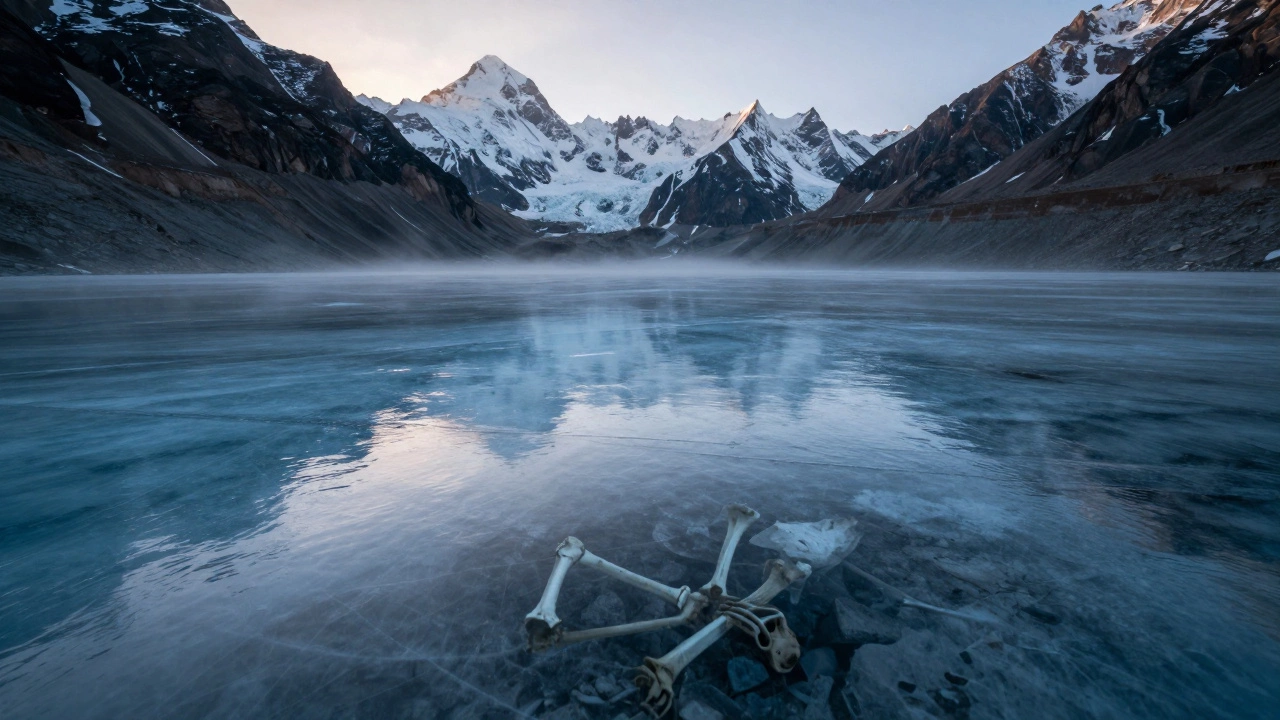
| Roopkund | 5,029m | Moderate-Hard | April - June, Oct - Nov | Mystery Lake & Skeletons |
| Hampta Pass | 4,270m | Easy-Moderate | June - September | Landscape Contrast |
| Deo Tibba | 4,673m | Moderate | May - October | Solitude & Alpine Lakes |
| Kedarkantha | 3,810m | Easy | Dec - March (Snow) | Winter Snow Experience |
Preparation: Surviving the Height
Height kills more trekkers than bears or avalanches. Altitude sickness is a physiological response to low oxygen. It does not discriminate based on fitness. A marathon runner can get AMS just as easily as someone who rarely exercises. Here is how to prepare.
- Acclimatize Properly: Never rush. Spend at least two nights at intermediate altitudes (3,000m) before going higher. Your body needs time to produce more red blood cells.
- Hydrate Aggressively: At high altitudes, you lose water faster through respiration. Drink 3-4 liters of water daily. Avoid alcohol and smoking completely during the trek.
- Know the Symptoms: Headache, nausea, dizziness, and fatigue are early signs. If these persist despite rest, descend immediately. Do not try to "push through." Descent is the only cure for severe AMS.
- Medication: Consult a doctor about Diamox (Acetazolamide). It helps speed up acclimatization but is not a substitute for proper pacing.
- Gear Up: Layering is key. Moisture-wicking base layers, insulating mid-layers (fleece/down), and waterproof outer shells. Good trekking boots with ankle support are non-negotiable.
Logistics and Permissions
High-altitude treks in India often require permits. For example, treks in Uttarakhand may need Inner Line Permits (ILP) for certain areas. Ladakh treks require special permissions for foreign nationals and sometimes for Indians depending on the proximity to border areas. Always book with reputable operators who handle these logistics. Cheap tours often cut corners on safety equipment and guide training, which is a deadly risk at 5,000+ meters.
Environmental Responsibility
The higher you go, the more fragile the ecosystem. Waste management is critical. Carry back all your trash, including biodegradable waste like banana peels, which take months to decompose at low temperatures. Use biodegradable soap and wash away from water sources. Respect local cultures and traditions. Many high-altitude villages rely on tourism; your spending supports their livelihoods.
Final Thoughts: Choosing Your Mountain
So, which is the tallest trek in India? If you want the absolute highest point reachable by foot, it is Stok Kangri at 6,153 meters. If you want the highest classic trekking pass without technical climbing, Roopkund at 5,029 meters is a strong candidate. But remember, the "best" trek is the one that matches your ability and respect for the mountain. Start lower, build experience, and let the mountains call you higher when you are ready.
What is the highest trek in India for beginners?
For beginners, Hampta Pass (4,270m) or Triund (2,800m) are excellent starting points. They offer high-altitude experiences without extreme difficulty. Kedarkantha is also popular for winter beginners due to its well-marked trails.
Can I trek to Stok Kangri without experience?
No, Stok Kangri requires prior high-altitude experience and good physical fitness. It is not recommended for first-time trekkers due to the risks associated with altitude and the technical nature of the final ascent.
When is the best time to trek in the Himalayas?
The best seasons are post-monsoon (September to November) and pre-monsoon (April to June). Winter treks are possible for specific routes like Kedarkantha but require specialized gear and guides.
Do I need special permits for high-altitude treks?
Yes, many high-altitude treks require permits. For example, treks in Ladakh and sensitive border areas in Uttarakhand and Himachal Pradesh need Inner Line Permits or special clearance. Reputable tour operators usually handle this.
How do I prevent altitude sickness?
Prevent altitude sickness by ascending slowly, staying hydrated, avoiding alcohol, and listening to your body. If symptoms like headache or nausea occur, rest or descend. Medication like Diamox can help but should be used under medical advice.