India Heritage Trip Planner
Select Heritage Sites
Click to add or remove from your itineraryTrip Summary
Estimated Costs & Duration
Imagine walking through a corridor where the air still hums with the echoes of empires that ruled thousands of years ago. That is the experience waiting for you in India, a land where history is not just read in books but touched, seen, and felt in every stone. The country’s cultural heritage spans over 5,000 years, encompassing diverse religions, languages, and architectural marvels that define its identity. From the misty hills of the Himalayas to the tropical shores of the south, each region holds a unique piece of this massive puzzle.
Why does this matter? Because understanding the heritage sites of India gives you a key to unlocking one of the world's richest civilizations. Whether you are a history buff, an architecture nerd, or simply someone who loves traveling to places with soul, these sites offer more than just photos. They offer context. They tell stories of trade, war, devotion, and artistry that shaped not just India, but the entire world.
The Weight of History: What Makes Indian Heritage Unique?
When we talk about heritage, we often think of old buildings. But in India, heritage is a living thing. It includes the intangible as well as the tangible. The tangible part consists of the physical structures: forts, temples, stepwells, and palaces. The intangible part includes the festivals, music, dance forms, and oral traditions that have been passed down for generations.
What sets India apart is the sheer diversity within unity. You can stand in a Hindu temple in Varanasi and see intricate carvings of deities, then drive a few hours to a Buddhist monastery in Sarnath and find serene simplicity. Just a day later, you might be in Delhi, looking at Mughal architecture that blends Persian and Indian styles. This mix isn't accidental; it’s the result of centuries of cultural exchange.
UNESCO World Heritage Sites recognize this global significance. India currently has 42 such sites, making it one of the top countries in Asia for protected heritage. These designations protect the sites from modern development pressures and ensure they remain accessible to future generations. For travelers, this means better preservation and often, more organized visitor experiences.
Ancient Marvels: Where Time Stood Still
If you only have time to visit three places, start here. These sites represent the earliest layers of Indian civilization and continue to amaze visitors with their scale and precision.
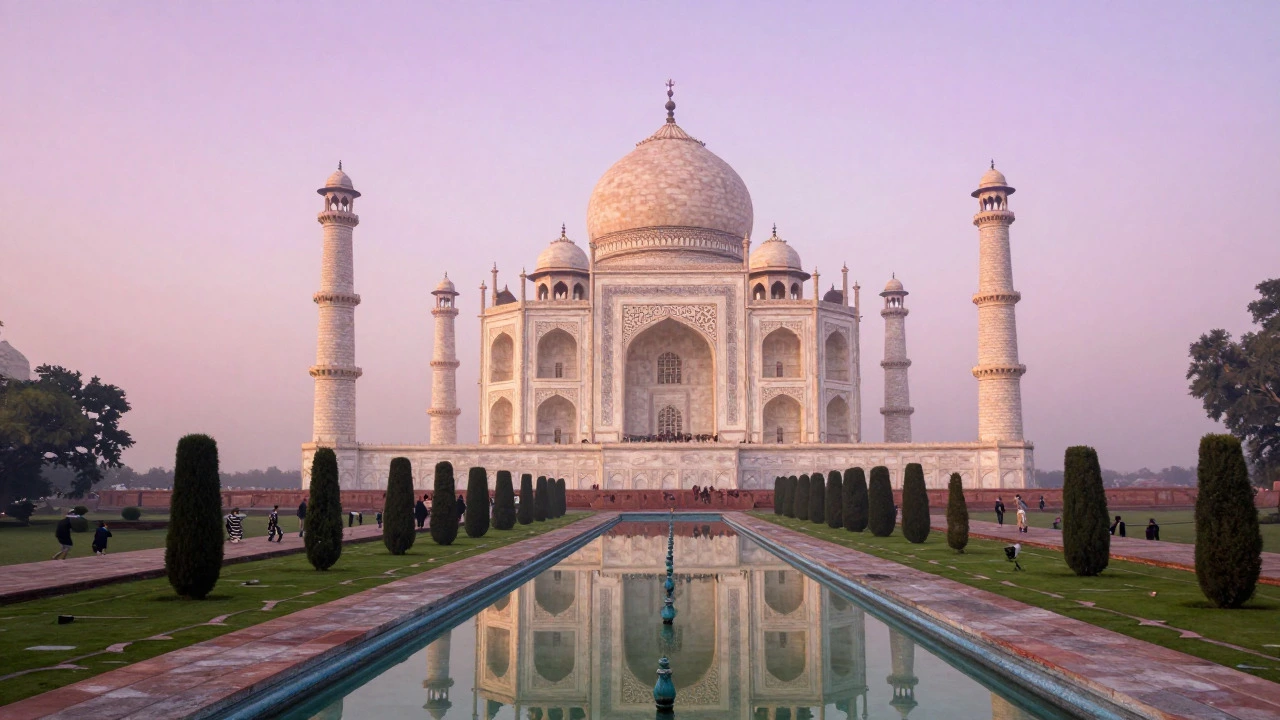
- Taj Mahal (Agra): Built by Emperor Shah Jahan in memory of his wife Mumtaz Mahal, this ivory-white marble mausoleum is often cited as the jewel of Muslim art in India. Construction began in 1632 and took roughly 20 years. It’s not just a tomb; it’s a garden complex designed according to the Chahar Bagh style, symbolizing the four rivers of paradise.
- Gateway of India (Mumbai): While newer than the Mughal era, this basalt arch was built in 1924 to commemorate King George V’s visit. It stands on the waterfront and serves as a gateway to the city’s colonial past. Today, it’s a bustling hub where locals gather, making it a perfect spot to observe modern Mumbai life against a historical backdrop.
- Sun Temple (Konark): Located in Odisha, this 13th-century temple is shaped like a giant chariot with 24 wheels and seven horses. The craftsmanship is so detailed that even the smallest stones feature intricate carvings. It’s a testament to the engineering skills of ancient Indians who aligned the structure to capture sunlight throughout the day.
These sites aren’t just pretty faces. They require careful interpretation. For example, the Sun Temple’s alignment isn’t just decorative; it’s functional, helping priests determine the exact time for rituals. When you visit, look up. Look at the shadows. You’ll realize how much thought went into every angle.
Forts and Palaces: Power in Stone
India’s history is filled with kings and queens who wanted their power to last forever. Their solution? Massive fortresses and opulent palaces. These structures were designed to intimidate enemies and impress allies. Today, they serve as museums and hotels, offering a glimpse into royal life.
| Name | Location | Era | Key Feature |
|---|---|---|---|
| Amber Fort | Jai Singh, Rajasthan | 16th Century | Mirrors Palace and elephant entryway |
| Red Fort | Delhi | 17th Century | Red sandstone walls and Diwan-i-Aam |
| Chittorgarh Fort | Rajasthan | 7th Century | Largest fort in India and site of historic sieges |
| Mysore Palace | Karnataka | 1912 | Nagaraja style architecture and light show |
Each of these places tells a different story. Amber Fort in Jaipur shows the defensive strategies used by Rajput rulers. The Red Fort in Delhi marks the beginning of the Mughal dynasty’s rule in India. Chittorgarh is famous for its tragic history of *jauhar*, a mass self-immolation by women to avoid capture. Mysore Palace, on the other hand, represents the transition from traditional ruling to modern tourism, having been rebuilt after a fire in 1929.
Visiting these forts is physically demanding. Many involve steep climbs and long walks. Wear comfortable shoes. Bring water. And don’t rush. The best views often come from the quiet corners, not the main gates.
Temples and Spiritual Landscapes
Religion has always been central to Indian life. Temples are not just places of worship; they are community centers, libraries, and artistic hubs. The architecture of these temples reflects theological concepts, using geometry and symbolism to guide devotees toward enlightenment.
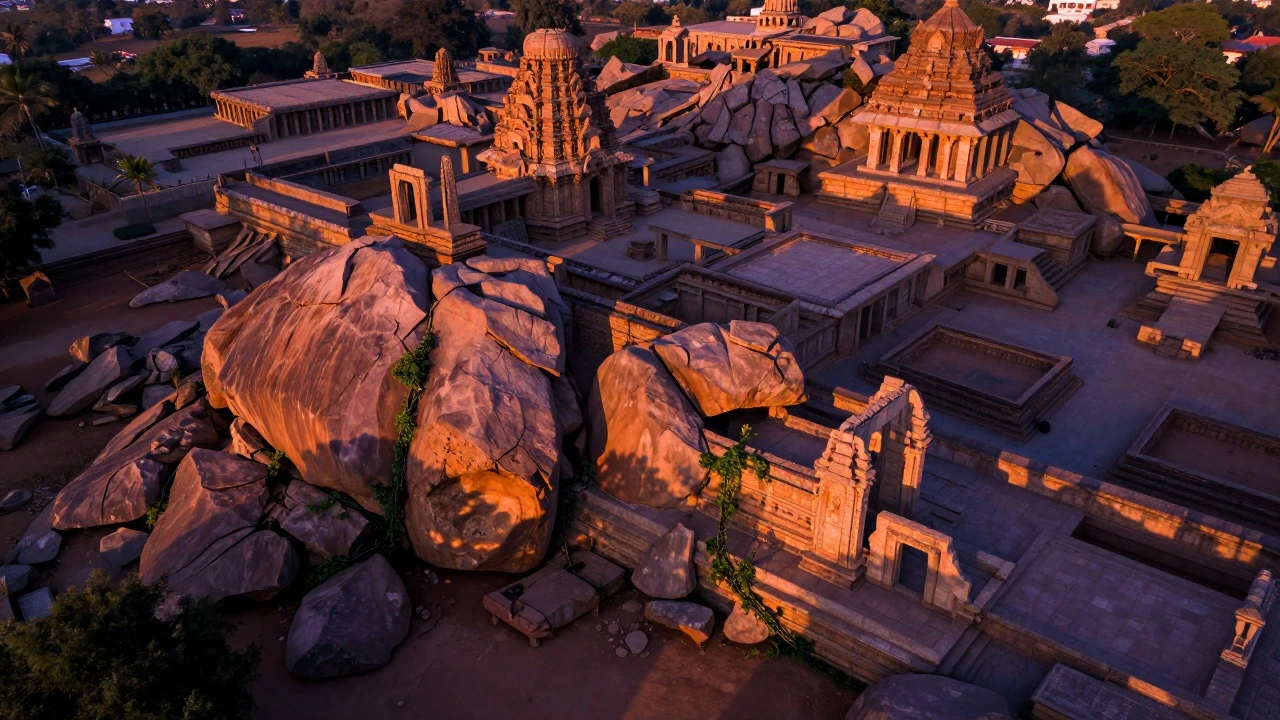
Hampi is a prime example. Once the capital of the Vijayanagara Empire, this site in Karnataka is now a sprawling ruin field. You can walk among the remnants of grand halls, tanks, and gateways. The boulder-strewn landscape creates a surreal atmosphere, especially at sunset when the stones glow orange. It’s one of the few places where you can feel the scale of a lost empire directly under your feet.
In the north, the Konark Temple and the Khajuraho Group of Monuments showcase different aspects of temple art. Khajuraho, in Madhya Pradesh, is famous for its erotic sculptures, which represent the union of the earthly and the divine. These aren’t just decorations; they are philosophical statements about life, love, and liberation.
When visiting temples, respect local customs. Dress modestly. Remove shoes if required. And try to understand the rituals happening around you. Even if you don’t speak the language, the gestures and chants carry meaning. Engaging with the present-day spiritual life adds depth to the historical experience.
Living Heritage: Culture Beyond Stones
It’s easy to focus on buildings, but true heritage includes the people. In many parts of India, traditional crafts, dances, and musical forms are still alive and thriving. These practices are recognized as Intangible Cultural Heritage by UNESCO.
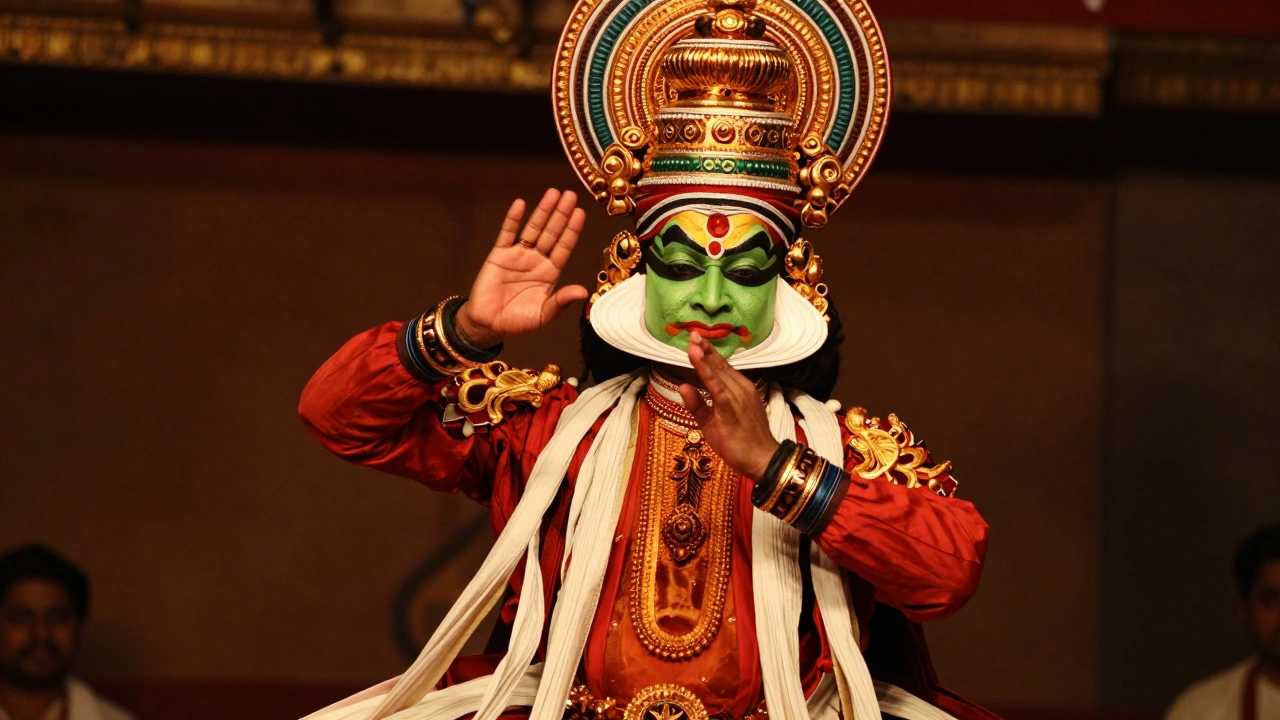
- Kathakali: A classical dance-drama from Kerala known for elaborate costumes and facial expressions. Performances can last all night, telling stories from the epics Ramayana and Mahabharata.
- Baul Music: A folk tradition from Bengal involving wandering minstrels who sing about spirituality and social justice. Their songs are simple yet profound, often delivered with a drum and cymbals.
- Block Printing: A textile technique practiced in regions like Sanganer and Bagru. Artisans carve wooden blocks and use them to print patterns on fabric. Each block is carved by hand, taking weeks to complete a single design.
Experiencing these arts firsthand changes your perspective. Watching a Kathakali performance isn’t just entertainment; it’s a lesson in discipline and expression. Buying a hand-block-printed scarf supports local artisans and keeps a centuries-old skill alive. These interactions make your trip personal and meaningful.
Practical Tips for Visiting Heritage Sites
Planning a heritage tour requires some preparation. Here are some practical tips to make your journey smoother.
- Timing is Everything: Most sites open early in the morning and close late afternoon. Arrive at opening time to avoid crowds and heat. Early morning light is also ideal for photography.
- Guides Matter: Hire a local guide. They know the hidden stories and can point out details you’d miss. Check reviews online to find reliable ones. Avoid touts near entrances unless recommended by your hotel.
- Stay Local: Choose homestays or heritage hotels instead of large chains. This supports the local economy and often provides a more authentic experience. Many heritage hotels are actually restored palaces or havelis.
- Respect the Rules: Some sites prohibit cameras, phones, or bags. Follow these rules. They help preserve delicate artifacts. Also, keep noise levels down, especially in religious areas.
Budgeting is another consideration. Entry fees vary widely. The Taj Mahal costs around $25 for foreigners, while smaller sites may charge less than $5. Add transport, guides, and meals, and you should budget accordingly. Traveling during the off-season (October to March) can save money and provide better weather conditions.
Preserving the Past for the Future
Heritage conservation is an ongoing challenge. Climate change, pollution, and urbanization threaten many sites. Rising sea levels affect coastal temples, while traffic vibrations damage ancient structures in cities. Governments and NGOs work together to mitigate these risks, but individual actions matter too.
As a traveler, you can contribute by being mindful. Don’t touch frescoes. Stay on marked paths. Buy souvenirs from certified artisan cooperatives. Share your positive experiences on social media to raise awareness. Every responsible tourist helps sustain these treasures for the next generation.
The heritage of India is not static. It evolves as new discoveries are made and as communities reinterpret their past. By exploring these sites, you become part of that evolution. You connect with a history that is both ancient and alive. So pack your bags, learn a few phrases in Hindi or the local language, and get ready to be amazed. The stones are waiting to tell their story.
How many days do I need to explore major heritage sites in India?
For a comprehensive tour covering North and South India, plan for at least 10-14 days. This allows time for travel between cities and adequate exploration of key sites like the Taj Mahal, Hampi, and Khajuraho. If focusing on a specific region, 5-7 days may suffice.
Is it safe to travel alone to heritage sites in India?
Yes, most heritage sites are well-traveled and safe for solo tourists. However, standard precautions apply. Keep valuables secure, use registered taxis or trains, and stay in reputable accommodations. Joining group tours can also provide added security and social interaction.
What is the best time of year to visit Indian heritage sites?
The winter months from October to March are ideal. The weather is pleasant, making outdoor exploration comfortable. Summer (April to June) can be extremely hot, while monsoon (July to September) brings heavy rains that may limit access to some sites.
Do I need a visa to visit heritage sites in India?
Most international travelers need a visa to enter India. You can apply for an e-Visa online, which is convenient for short stays. Check the latest requirements on the official Indian government website before booking your trip, as policies can change.
Are there any hidden gem heritage sites worth visiting?
Absolutely. Consider Dholavira in Gujarat, an Indus Valley Civilization site with minimal crowds. Or Ellora Caves in Maharashtra, which feature rock-cut caves spanning Hindu, Buddhist, and Jain traditions. These sites offer a deeper, less commercialized experience.