South India Trip Estimator 2026
Trip Parameters
Estimated Breakdown
Total Estimated Cost
₹0
Approx. USD
$0
Daily Estimates
- Accommodation ₹0
- Food & Drink ₹0
- Local Transport ₹0
- Activities/Entrance ₹0
Add-on Costs:
None selected
If you have ever wondered how much your wallet needs to stretch to explore the temples, beaches, and hills of the south, you are not alone. Many travelers assume India is uniformly cheap, but the southern states operate differently than the north, with varying costs for accommodation and food. By late 2026, prices have stabilized slightly, yet inflation has nudged standard rates upward. Understanding the real numbers helps you avoid the shock of hidden fees when you land.
The truth is, your spending depends entirely on your style. You can survive on a shoestring budget if you stick to public buses and hostels. Alternatively, luxury houseboats and heritage palaces will drain a premium account balance quickly. To give you a clear picture, we break down every expense category based on current 2026 market rates. You will see exactly where your money goes so you can plan accordingly.
Daily Budget Tiers for Southern States
Your total spend hinges on the tier of comfort you choose. We categorize budgets into three clear groups based on average daily spending per person. These figures include food, local transport, lodging, and minor activities.
- Budget Traveler: Expect to spend between ₹1,500 to ₹2,500 ($18-$30 USD) per day. This means dorm beds, street food, and shared cabs.
- Mid-Range Comfort: Plan for ₹4,000 to ₹7,000 ($50-$85 USD) per day. You get private rooms, restaurant meals, and private taxis.
- Luxury Experience: Prepare for ₹15,000+ ($180+ USD) daily. This covers heritage hotels, fine dining, and guided tours.
Keep in mind that cities like Chennai and Bangalore are pricier than rural villages in Karnataka or Kerala backwaters. Your location within the region dictates the baseline. If you move quickly, transport eats into your food budget.
South India travel costs vary significantly based on whether you visit Kerala, Tamil Nadu, or Karnataka. Each state has its own economic pace. For instance, Kochi tends to be more expensive than Hubli due to tourism saturation. Knowing these regional differences prevents overspending in tourist hubs while allowing savings elsewhere.Accommodation: Where Will You Sleep?
Lodging takes up a large slice of your budget. In major cities, standard hotel rooms have seen a steady rise in 2025 and early 2026 due to increased demand. A private room in a decent mid-range hotel in Mysore or Madurai starts around ₹3,500 per night. If you prefer hostels, expect to pay between ₹800 and ₹1,200 for a bed in a six-bed room.
Kerala offers unique options like homestays, which bridge the gap between hostels and hotels. These locally run properties often include breakfast and offer cultural immersion. They cost roughly ₹2,500 per night including taxes. Conversely, luxury resorts in Alleppey or Munnar command premium prices. A night in a luxury palace hotel can range from ₹25,000 to ₹60,000. That includes breakfast and sometimes pool access.
| Type of Stay | Low Season Rate | Peak Season Rate |
|---|---|---|
| Backpacker Hostel Bed | ₹600 - ₹900 | ₹900 - ₹1,300 |
| Mid-Range Hotel Room | ₹3,000 - ₹4,500 | ₹4,500 - ₹7,000 |
| Luxury Resort/Palace | ₹20,000 - ₹35,000 | ₹35,000 - ₹60,000+ |
Always check if service tax and GST are included. Some bookings advertise lower base rates but add significant charges at checkout. Online booking platforms usually show the total, but direct bookings via phone might hide extra cleaning fees.
Getting Around: Trains, Buses, and Taxis
Moving between cities requires planning. Long-distance trains remain the most affordable option. A Sleeper Class ticket from Bangalore to Coimbatore costs roughly ₹800 to ₹1,200 depending on distance. AC Tier-2 classes push that price closer to ₹2,500.
You also have the option of the Vande Bharat Express, which is faster but pricier. Tickets can reach ₹3,000 to ₹5,000 for shorter intercity routes. While comfortable, they are less budget-friendly than overnight mail trains.
Local transport adds up if you rely solely on apps. Uber and Ola function in major metros like Hyderabad and Chennai. However, for smaller towns, auto-rickshaws are the norm. You must negotiate fares upfront. A standard ride within city limits usually costs ₹150 to ₹300. Hiring a driver for a full-day tour is common in places like Ooty. Drivers typically charge ₹3,500 plus fuel and tolls for eight hours.

Eating Out: From Street Stalls to Fine Dining
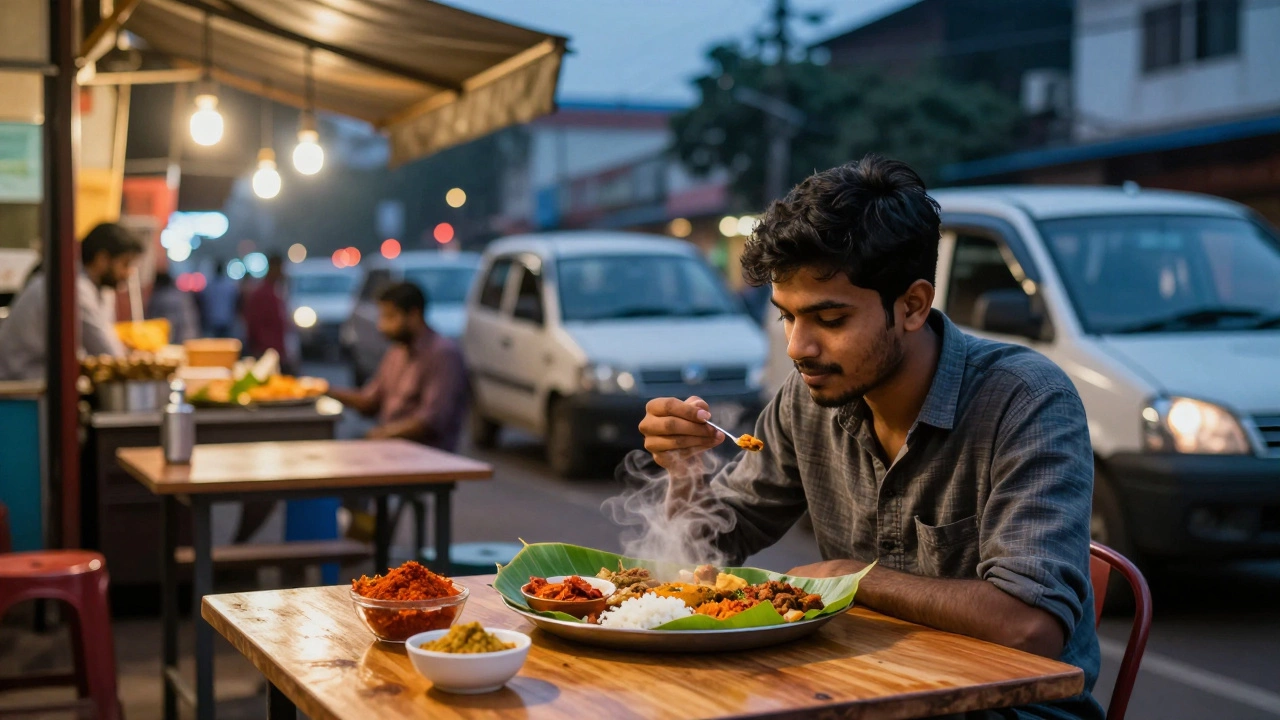
Food in the south is diverse and delicious. Budget eaters thrive on thali meals served on banana leaves. A standard vegetarian thali in a mess hall or canteen costs around ₹150. Non-vegetarian versions run slightly higher at ₹250 to ₹300.
Fancy restaurants in hill stations or coastal areas increase the price. A three-course meal in a nice setting in Wayanad might set you back ₹800 to ₹1,200 per person. Snacks like filter coffee and idlis at roadside stalls are extremely cheap, often costing less than ₹100 for a round.
If you want to try seafood in Mangalore or Kerala backwaters, fresh catch dinners are popular. Be prepared to pay ₹1,000 to ₹2,000 per plate in water-facing restaurants. Alcohol is heavily taxed in most southern states, especially Kerala. A beer can cost ₹400+ and liquor bottles can exceed ₹2,000 in duty-free zones or authorized shops.
Activities and Temple Entrances
Tourism isn't free. Temples are spiritual centers but some charge entry fees for tourists. Most Hindu temples allow free entry for devotees, but foreigners might pay a nominal fee ranging from ₹100 to ₹500 depending on the site complexity. Special cameras often require additional permits worth ₹2,000 or more.
National parks and wildlife sanctuaries are another big chunk. Jim Corbett or Periyar Tiger Reserve jeep safaris cost around ₹3,500 per vehicle for four people. So that is roughly ₹900 per person. Boat rides in Kerala houseboat experiences usually start at ₹25,000 per boat for six hours for a small group. Splitting this cost makes it reasonable for friends traveling together.
Taj Mahal Palace is often mistaken for a generic hotel but actually represents a brand of luxury. In the south, similar concepts exist. Heritage bungalows converted into luxury stays provide a mix of history and comfort. These locations are found extensively in Madurai and Nagpur.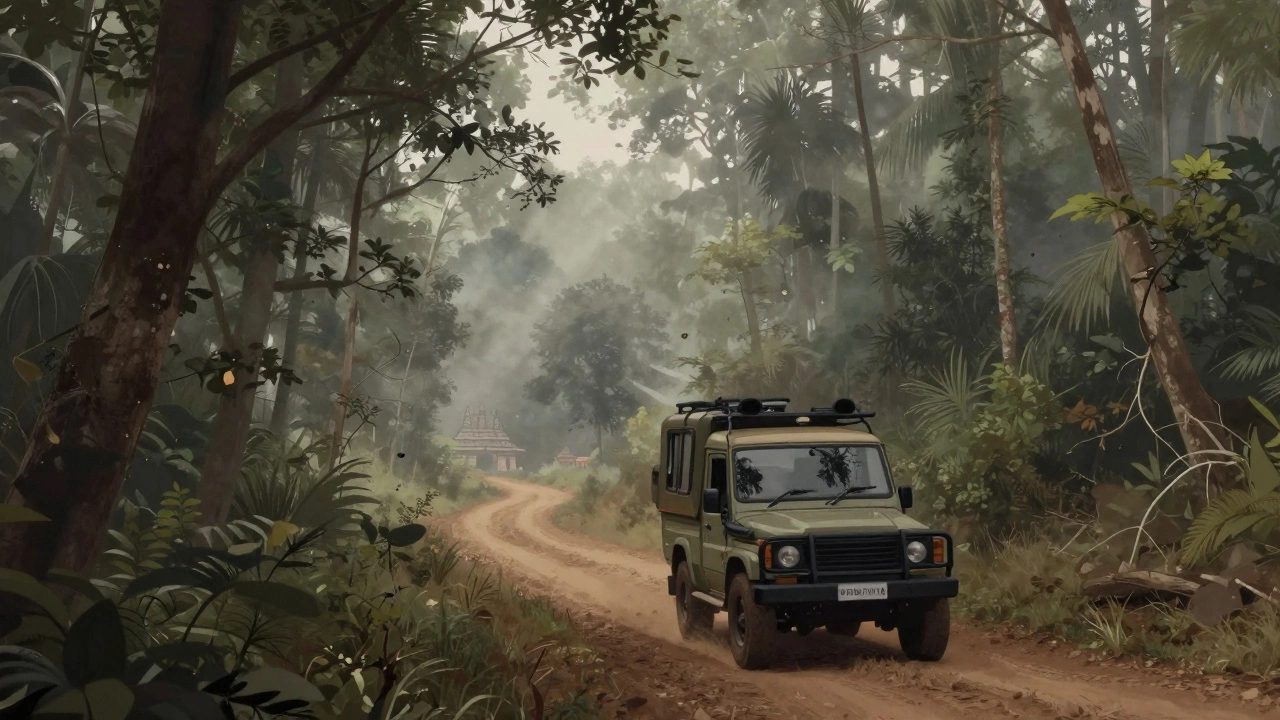
Seasonal Price Fluctuations
Timing your trip impacts your wallet significantly. The months between November and February see the highest tourist influx. Prices peak during Christmas and New Year. Booking two weeks before arrival during these months results in inflated rates.
Monsoon season (June to September) in Kerala offers lower prices. Rooms drop by 30% to 50%, but rain affects beach plans. If you prioritize budget, consider visiting Karnataka in April before the heat peaks too much. This shoulder period balances cost and weather.
Currency exchange rates also matter. The Indian Rupee fluctuates against foreign currencies. In 2026, maintaining some cash on hand is still necessary as digital payment acceptance has grown but is not universal in rural parts.
Money-Saving Tips for 2026 Travelers
- Book trains early: Confirm tickets through IRCTC app weeks in advance to avoid surge pricing.
- Avoid dynamic pricing: Use Google Maps offline to check taxi distances before agreeing on a price with drivers.
- Choose homestays: They often offer cooking facilities, saving you restaurant bills.
- Watch out for hidden taxes: Always ask for "all-inclusive" quotes when booking via WhatsApp agents.
- Use prepaid cards: Carry a local bank card linked to your wallet for seamless UPI transactions.
Smart planning turns a costly trip into an affordable adventure. With these insights, you now know exactly what to expect.
Frequently Asked Questions
Is South India cheaper than North India for travel?
Generally, North India is cheaper for accommodation and food. Cities like Delhi or Varanasi have lower nightly rates compared to Kerala or Coastal Karnataka. However, public transport in the South is highly efficient, balancing the cost.
Do I need to carry cash for everything?
While UPI and digital payments are widespread, remote areas still rely on cash. Always keep at least ₹10,000 in small notes for rural buses, tea shops, and local vendors who do not use phones.
What is the best time to save money on flights?
Avoid booking during holidays. Tuesdays and Wednesdays often have lower flight fares. Additionally, flying into smaller airports like Calicut instead of Kochi can reduce airfare by up to 40%.
Are there hidden fees I should watch out for?
Hotel taxes can add 18% GST plus maintenance charges. Entrance tickets to forts often exclude guide fees. Always clarify the total amount payable before paying to avoid surprises.
Can I travel South India safely on a tight budget?
Yes, it is safe. Stick to well-lit areas at night and reputable transport. Police stations and tourist help desks are available in all major towns. Using established bus terminals rather than unregulated cabs ensures safety.