Skydiving Cost Calculator
Calculate Your Skydiving Experience
Your Skydiving Experience
What's Included
- Tandem jump with certified instructor
- Professional video and photo package
- Completion certificate
- Full safety equipment
- Insurance coverage
Yes, skydiving is available in India - and it’s not just a dream for thrill-seekers anymore. Over the last five years, tandem skydiving has gone from a rare novelty to a fully operational adventure sport with multiple licensed drop zones across the country. If you’ve ever wondered whether you can jump out of a plane over the Indian landscape, the answer is yes - and it’s more accessible than you think.
Where Can You Skydive in India?
You won’t find skydiving in every city, but there are four main locations where licensed operators run regular jumps. Each offers a different kind of experience - from desert dunes to mountain backdrops.
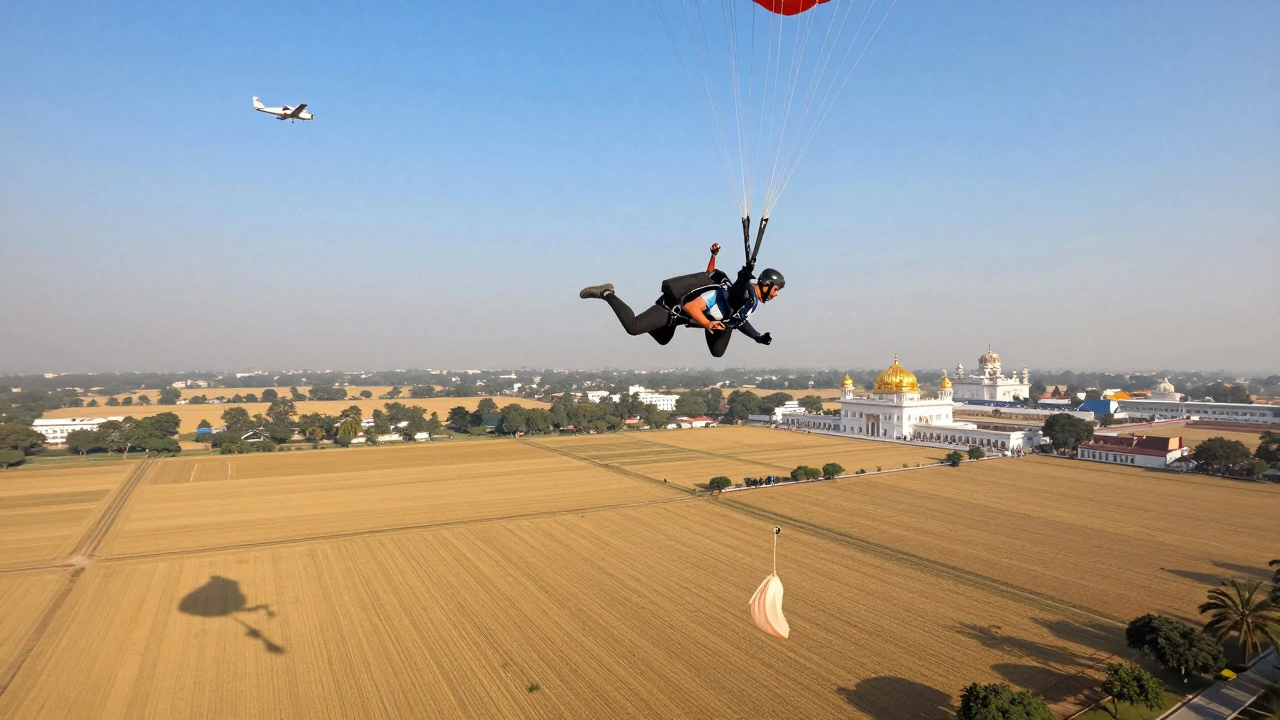
- Amritsar, Punjab: Home to the oldest and most established skydiving center in India. Jumps happen over the flat plains near the Sri Harmandir Sahib, with views of farmland and distant hills. The drop zone is run by Skydive India, which has been operating since 2016.
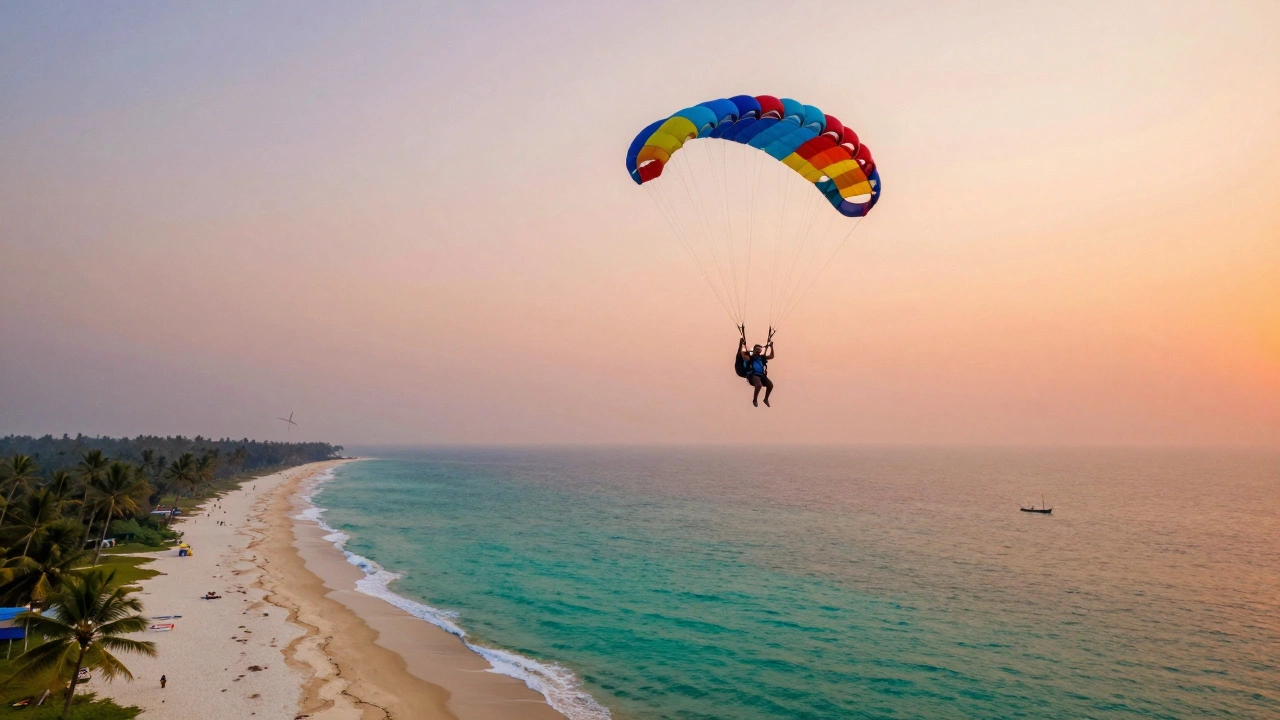
- Goa: The only coastal skydiving spot in the country. Jumping over the Arabian Sea with white sand beaches below is a unique experience. Operators here fly between October and May, avoiding the monsoon season.
- Mumbai (Neral, near Lonavala): This site offers the highest altitude jump in India - 15,000 feet. The route takes you over the Western Ghats, with panoramic views of the Sahyadri mountains and the Pune highway below.
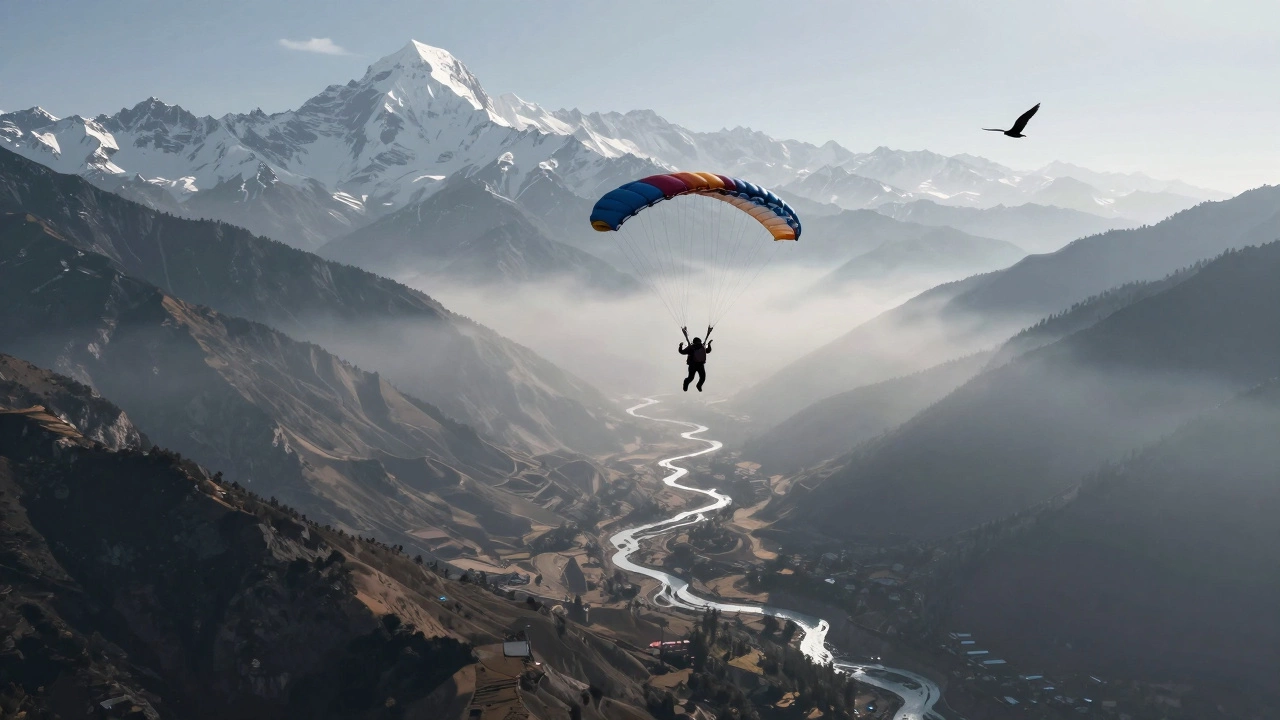
- Manali, Himachal Pradesh: A seasonal option that runs from April to June and September to November. Jumps here are over the Himalayan foothills, giving you a bird’s-eye view of snow-capped peaks and river valleys.
All these locations use modern, FAA-certified aircraft and tandem harnesses with dual-parachute systems. Each jump is led by a certified instructor with a minimum of 1,000 skydives under their belt - a requirement set by the Parachute Industry Association of India.
How Much Does Skydiving Cost in India?
Prices vary depending on location, altitude, and season, but here’s what you can expect in 2025:
| Location | Altitude (feet) | Price (INR) | Includes |
|---|---|---|---|
| Amritsar | 10,000 | ₹24,500 | Tandem jump, video, photos, certificate |
| Goa | 10,000 | ₹26,000 | Tandem jump, video, photos, certificate, airport pickup |
| Mumbai (Neral) | 15,000 | ₹32,000 | Tandem jump, HD video, photos, certificate, extended freefall time |
| Manali | 12,000 | ₹28,000 | Tandem jump, video, photos, certificate, mountain views |
That’s roughly $300-$400 USD, depending on the exchange rate. While it’s not cheap, it’s comparable to prices in Thailand, South Africa, or Australia. The cost covers everything: aircraft ride, gear, instructor, insurance, video, and a completion certificate. No hidden fees.
Who Can Skydive in India?
You don’t need to be an athlete, but there are basic requirements:
- Age: Minimum 18 years old. No exceptions. Parental consent doesn’t count.
- Weight: Maximum 100 kg (220 lbs) for safety reasons. Some centers may allow up to 110 kg with an additional fee and instructor approval.
- Health: No heart conditions, recent surgeries, or uncontrolled epilepsy. If you have asthma or diabetes, bring a doctor’s note.
- Weather: Jumps are canceled if wind speed exceeds 15 km/h, visibility drops below 5 km, or rain is expected. Rescheduling is free.
Many people assume you need training - you don’t. Tandem skydiving means you’re strapped to a professional. You’ll get a 15-minute ground briefing on body position, hand signals, and landing procedures. That’s it.
What Does the Experience Feel Like?
Most first-timers say the freefall feels more like floating than falling. At 15,000 feet, you’ll drop at around 200 km/h for 45-60 seconds. The air is thin and cold, but the rush is surreal. You won’t feel wind like on a motorcycle - it’s more like being held in a strong, steady current.
Once the parachute opens at 5,000 feet, everything changes. The noise drops. The world slows. You’ll glide for 5-7 minutes, turning and steering with your instructor. Many say this part is the most peaceful - floating above rivers, villages, and forests with nothing but silence.
Landings are gentle. Most land on their feet or with a slight sit-down. Instructors are trained to absorb impact. You’ll be asked to lift your legs slightly as you touch down - it’s simple, and they’ll guide you through it.
What Should You Bring?
Don’t overpack. The center provides:
- Jump suit
- Goggles
- Harness
- Helmet
You just need:
- Comfortable, closed-toe shoes (no sandals or heels)
- Light clothing (avoid loose sleeves or scarves)
- Photo ID (passport or Aadhaar card)
- Water and snacks (some centers offer refreshments)
Leave your phone, keys, and jewelry behind. Lockers are available, but it’s safer to travel light.
Is Skydiving Safe in India?
Safety standards in India have improved dramatically since 2020. All licensed operators follow the guidelines set by the Parachute Industry Association of India (PIAI), which aligns with international standards from the United States Parachute Association (USPA).
Here’s what keeps it safe:
- Every rig has a main and reserve parachute - both packed by FAA-certified riggers.
- All equipment is inspected after every 100 jumps or every 6 months - whichever comes first.
- Automatic Activation Devices (AADs) are mandatory. These deploy the reserve chute if you’re falling too fast at low altitude.
- Weather is monitored in real-time. If conditions aren’t perfect, they cancel - no pressure to jump.
The accident rate for tandem skydiving in India is less than 0.003% - better than driving to the drop zone. In the last five years, there have been zero fatalities in tandem jumps at licensed centers.
When Is the Best Time to Skydive in India?
Weather rules the calendar. The ideal months are:
- October to March: Best overall - dry, clear skies, low winds. Peak season in Amritsar, Goa, and Mumbai.
- April to June: Good in Manali and Neral. Hot in the plains, but cooler in the hills.
- July to September: Monsoon season. Jumps are suspended everywhere.
Book early. Weekends fill up fast, especially in Goa and Amritsar. Midweek jumps are quieter and sometimes cheaper.
What Happens If It Gets Cancelled?
Weather cancellations are common - and completely normal. If your jump is called off, you have two options:
- Reschedule for free - no penalty, no extra charge.
- Get a full refund if you can’t come back.
Most centers don’t charge a booking fee, so you’re not locked in. Just make sure you’re flexible with dates.
Is It Worth It?
Yes - if you’ve ever wanted to see India from above, this is the way. You’ll see the country in a way no flight, no helicopter, no drone can capture. The silence after the parachute opens. The way villages look like toy models. The wind rushing past your ears as you fall.
It’s not just an adrenaline rush. It’s a moment of clarity. Many people say it changes how they see things - their fears, their limits, their place in the world.
And you don’t have to be an extreme sports fan to love it. People from all walks of life - teachers, engineers, retirees - come to skydive. You just need to be ready to jump.
Is skydiving legal in India?
Yes, skydiving is legal in India and regulated by the Parachute Industry Association of India (PIAI). Only licensed drop zones with certified instructors and equipment are allowed to operate. Unlicensed or private jumps are illegal and dangerous.
Can I skydive if I’m afraid of heights?
Many people who are afraid of heights still skydive - and love it. The fear of heights usually comes from being close to an edge, like a balcony or cliff. In the air, you’re not near anything solid. The sensation is more like floating than falling. Most fear fades once the plane door opens.
Do I need to book in advance?
Yes. Most centers require bookings at least 2-3 days ahead, especially on weekends. Walk-ins are rarely accepted. You can book online through their official websites or trusted adventure platforms like Thrillophilia or BookMyShow.
Can I bring my own camera?
No. You’re not allowed to bring personal cameras, phones, or GoPros. They’re a safety hazard during freefall and can interfere with equipment. All centers offer professional video and photo packages included in the price.
Is skydiving available year-round?
No. Skydiving is seasonal due to weather. The monsoon (July-September) shuts down all locations. Winter (October-March) is the best time. Manali only operates in spring and autumn. Always check the operator’s calendar before planning.