India Travel Budget Calculator
Budget Calculator
Estimate your total travel costs for India based on your preferences and trip duration
Your Estimated Budget
What This Includes:
- Accommodation ($5-$400/night)
- Food ($1-$100/meal)
- Local Transport ($0.50-$300)
- Entry Fees ($5-$150)
Planning a trip to India doesn’t mean you need to spend thousands. You can explore ancient temples, ride through bustling bazaars, and sleep under the stars on a beach in Goa for less than $30 a day-if you know where to look. The real question isn’t how much money you need, but how you want to experience India. Are you sleeping in hostels or boutique guesthouses? Eating street food or fine dining? Taking trains or private cabs? Your budget changes with every choice.
Low-Budget Travel: $20-$30 per day
If you’re backpacking through India, you can get by on $20-$30 a day without sacrificing the experience. This budget covers basic lodging, local meals, and public transport. A clean dorm bed in a hostel in Delhi or Jaipur costs $5-$8. In smaller towns like Varanasi or Udaipur, you’ll find private rooms with a fan for under $10. Most budget travelers skip AC unless it’s peak summer.
Food is where you save the most. A plate of dal rice or chole bhature from a street vendor runs $1-$2. A thali meal at a local eatery-rice, lentils, veggies, bread, and yogurt-costs $2-$3. Bottled water is $0.25. You can eat three solid meals a day for under $5. Skip the tourist restaurants near temples; they charge three times more for the same food.
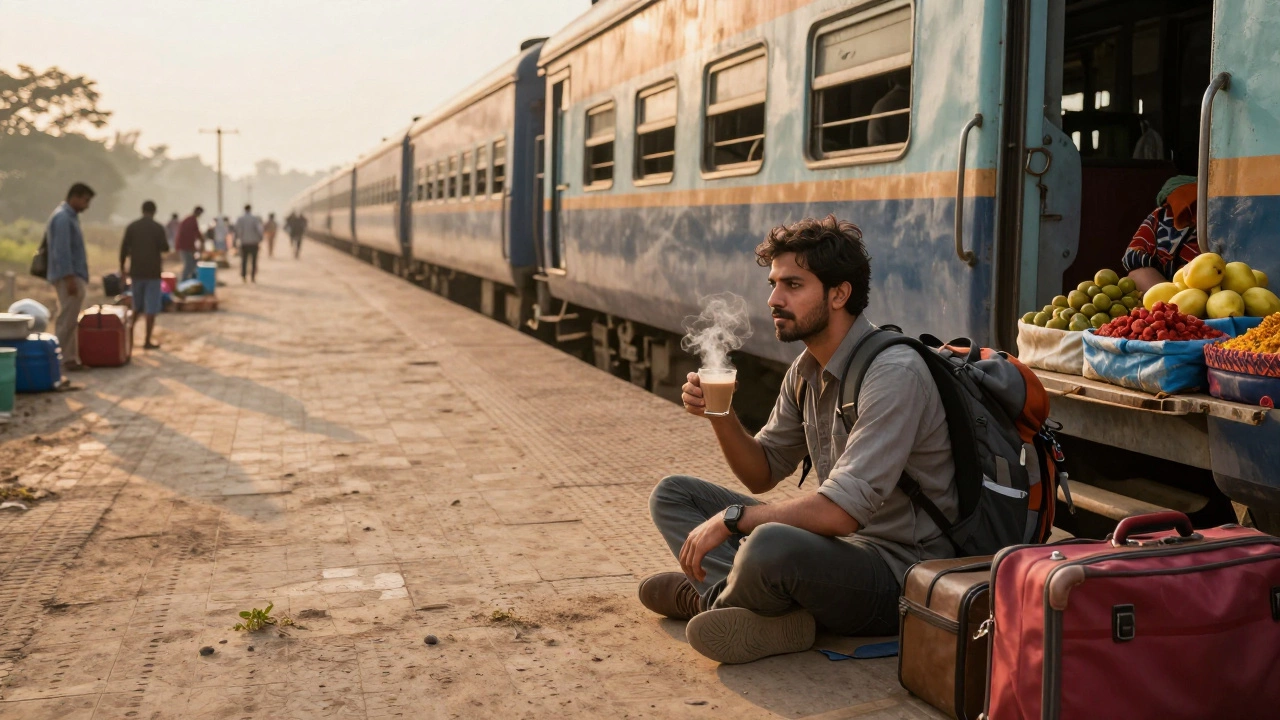
Transport is cheap too. A 6-hour train ride in a sleeper class from Delhi to Agra costs $8-$12. Local buses and auto-rickshaws are $0.50-$2 per trip. Always agree on a fare before you get in. If you’re hopping between cities, book trains ahead on the IRCTC app. Last-minute tickets are expensive or sold out.
Mid-Range Travel: $40-$70 per day
This is where most travelers feel comfortable. You get private rooms, better food, and a bit more comfort without going overboard. A clean, air-conditioned hotel room with a private bathroom in cities like Mumbai or Kochi runs $25-$40 per night. Many guesthouses include breakfast.
Meals shift from street food to small restaurants. You’ll still eat local dishes but in cleaner settings. A meal with a beer or soda at a decent restaurant costs $6-$10. You might treat yourself to a thali at a heritage hotel or try a regional specialty like butter chicken in Punjab or seafood in Kerala.
Transport becomes a mix of trains and occasional taxis. You might take a pre-booked cab for a day trip to a nearby temple or hire a driver for a half-day tour. A private driver for 8 hours in Rajasthan costs $30-$40, including fuel. That’s cheaper than renting a car and dealing with chaotic traffic.
Entry fees to monuments add up. The Taj Mahal costs $15 for foreigners. Humayun’s Tomb is $5. Forts like Amber Palace in Jaipur are $10. Buy tickets online to skip lines. Most sites accept credit cards now, but always carry cash for smaller temples and local guides.
Luxury Travel: $100+ per day
If you want luxury, India delivers-palace stays, private tours, five-star resorts. A night at a heritage hotel in Jodhpur or Udaipur can cost $150-$400. These places often include meals, guided walks, and even elephant rides. Resorts in Goa or Kerala offer private pools and spa services for $200-$500 a night.
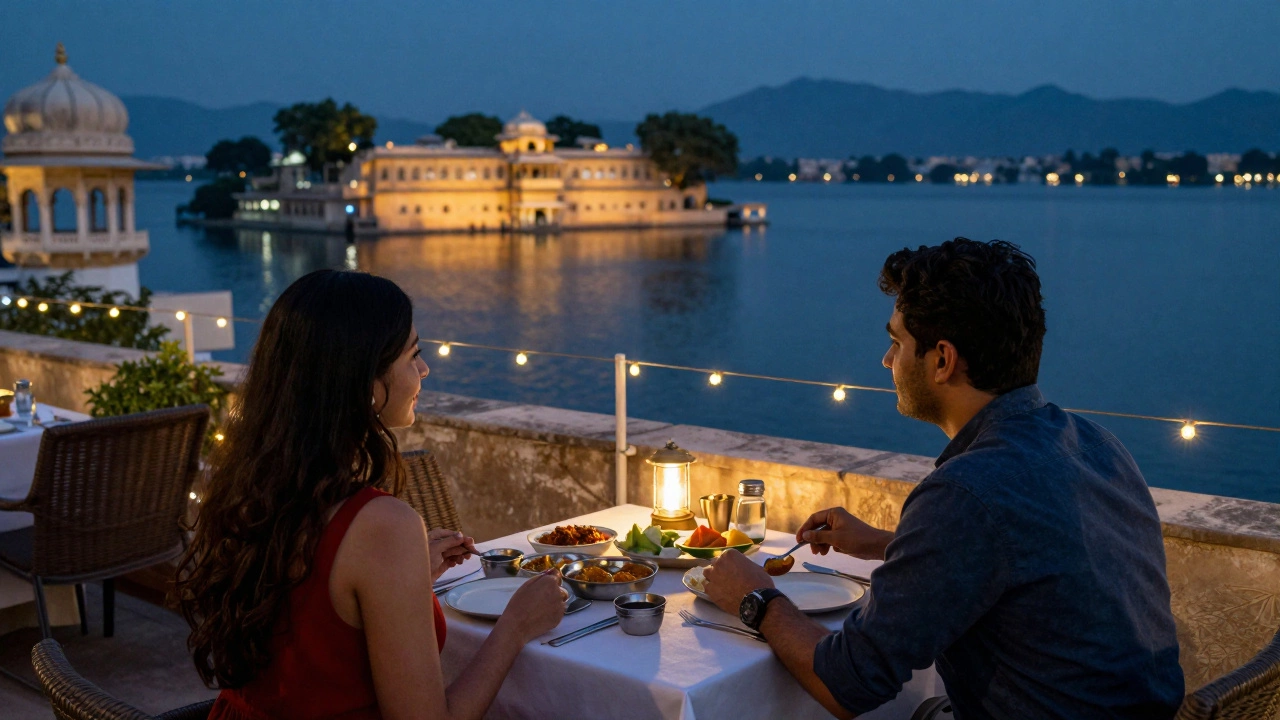
Dining becomes an experience. Michelin-starred restaurants in Delhi and Mumbai charge $50-$100 per person. But you can also book a private cooking class with a local chef for $40-$60 and eat your meal on a rooftop with the city lights below.
Transport is private. You’ll hire a driver with a car for the whole trip. Domestic flights between major cities like Delhi, Bangalore, and Goa cost $60-$120 one-way if booked early. Luxury trains like the Palace on Wheels start at $2,000 for a 7-night journey, but that’s for a full experience-not a daily budget.
What’s Not Included in Daily Costs
Your daily budget doesn’t cover flights, travel insurance, visas, or shopping. Round-trip flights from the US or Europe to India range from $700-$1,200 depending on season. Book 3-6 months ahead for the best rates.
India’s e-visa costs $80 for a tourist visa and takes 3-5 days to process. Don’t wait until the last minute. You need a passport valid for six months beyond your stay and a digital photo.
Travel insurance is non-negotiable. Medical care in India is affordable, but emergencies can get expensive fast. A hospital visit for food poisoning might cost $50, but a flight home for medical reasons could be $5,000. Get coverage that includes evacuation.
Shopping is a whole other category. Handmade carpets, spices, textiles, and jewelry are amazing buys-but they’re not essentials. Set aside $100-$300 if you plan to bring souvenirs home. Bargain hard in markets. Start at 40% of the asking price and meet halfway.
Seasonal Price Changes
India’s weather affects prices. October to March is peak season-cooler, drier, and more crowded. Flights and hotels are 30-50% higher. If you’re flexible, visit in April or May. It’s hot, but you’ll find 50% off deals on hotels in Rajasthan and Goa. Monsoon season (June-September) brings rain to the south, but it’s quiet and cheap. Some hill stations like Munnar or Ooty are magical during the rains.
Major festivals like Diwali, Holi, or the Kumbh Mela bring crowds and price spikes. If you want to experience them, book everything 4-6 months ahead. Otherwise, avoid them if you’re on a tight budget.
Money Tips for India
- Carry cash. Many small shops, temples, and rickshaw drivers don’t take cards.
- Use ATMs in cities. They’re safe and offer good exchange rates. Avoid street money changers.
- Withdraw in larger amounts to reduce fees. Many ATMs charge $3-$5 per withdrawal.
- Notify your bank before you leave. Indian banks sometimes block foreign cards for security.
- Use Google Pay or PhonePe for small payments. Many vendors accept them now.

Real Example: 14-Day Trip Breakdown
Here’s what a 14-day trip might cost for a solo traveler on a mid-range budget:
- Flights: $900
- Visa: $80
- Travel insurance: $60
- Accommodation (14 nights at $35/night): $490
- Food (14 days at $25/day): $350
- Local transport: $100
- Monument entry fees: $70
- Shopping and extras: $150
- Total: $2,200
That’s about $157 per day. You could drop it to $1,400 if you go budget and skip flights and shopping. Or push it to $4,000 if you upgrade everything.
Where to Save Without Sacrificing
- Stay in guesthouses, not hotels. Many have rooftop views and free tea.
- Travel by train. It’s faster than buses and way cheaper than flights.
- Eat where locals eat. Look for places with a line of workers or families.
- Use apps like MakeMyTrip or Goibibo for hotel deals. They often have discounts for first-time users.
- Walk. Many cities like Varanasi, Hampi, and Jaisalmer are walkable. Skip the rickshaws for short trips.
Final Thought: It’s Not About the Number
India rewards flexibility. You don’t need to spend a lot to feel like you’ve been there. A 10-minute conversation with a chai wallah in Varanasi, the silence inside the Golden Temple at dawn, the smell of spices in a Mumbai market-those cost nothing. The money you spend is just the ticket to get you there. The rest? That’s yours to find.
Is India safe for solo travelers on a budget?
Yes, India is generally safe for solo travelers, especially in popular tourist areas. Stick to well-traveled routes, avoid walking alone at night in unfamiliar neighborhoods, and trust your instincts. Women should dress modestly in rural areas and avoid isolated spots after dark. Hostels and guesthouses with good reviews are usually safe and social. Many solo travelers meet others on trains or in shared dorms.
Can I use credit cards in India?
Major hotels, restaurants in cities, and tourist attractions accept credit cards. But smaller shops, street vendors, temples, and local transport don’t. Always carry cash-especially rupees. ATMs are widely available in cities and towns. Avoid using foreign cards at small ATMs; stick to those in banks or malls.
How much should I budget for a 3-week trip to India?
For a 3-week trip, budget $600-$1,500 for daily expenses if you’re backpacking or mid-range. Add $800-$1,200 for flights and $80 for the visa. Travel insurance is another $50-$100. That brings your total to $1,500-$2,800. If you’re splurging on luxury stays and flights, expect $4,000-$7,000. The key is to decide your comfort level before you go.
What’s the cheapest way to travel between cities in India?
Trains are the cheapest and most reliable option. Sleeper class (non-AC) costs $5-$15 for long distances. AC 3-tier is $15-$30. Book early on IRCTC’s official website or app. Buses are cheaper but slower and less comfortable. Budget airlines like IndiGo and Akasa Air offer flights under $50 if booked weeks ahead, but they’re not always cheaper than trains when you factor in airport transfers.
Do I need to tip in India?
Tipping isn’t required, but it’s appreciated. In restaurants, leave 5-10% if service isn’t included. For hotel staff, $1-$2 per day for housekeeping is common. Rickshaw drivers don’t expect tips, but rounding up the fare is a nice gesture. Tour guides appreciate $5-$10 for a half-day tour. Always tip in cash.
How much does food cost in India?
Street food costs $1-$2 per meal. A plate of dal rice, samosa, or dosa is under $1.50. A sit-down meal at a local restaurant is $3-$6. A meal with a beer at a tourist spot might be $8-$12. A thali (mixed platter) is $2-$4 and gives you a full taste of regional flavors. Bottled water is $0.25. Coffee at a café is $1.50-$3.
What are hidden costs when traveling to India?
Hidden costs include airport transfer fees (₹500-₹1,000), SIM cards with data (₹300-₹500), temple donations (often voluntary but expected), and guide fees at heritage sites. Some museums charge extra for photography. Also, many places don’t have ATMs nearby, so you may need to carry more cash than planned. Always budget 10% extra for unexpected expenses.
Traveling to India on a budget isn’t about cutting corners-it’s about choosing where to spend. The country rewards those who move slowly, eat where the locals eat, and say yes to unexpected detours. You don’t need a big wallet to have a big experience.