Southern India Travel Planner
Weather Conditions:
Key Highlights:
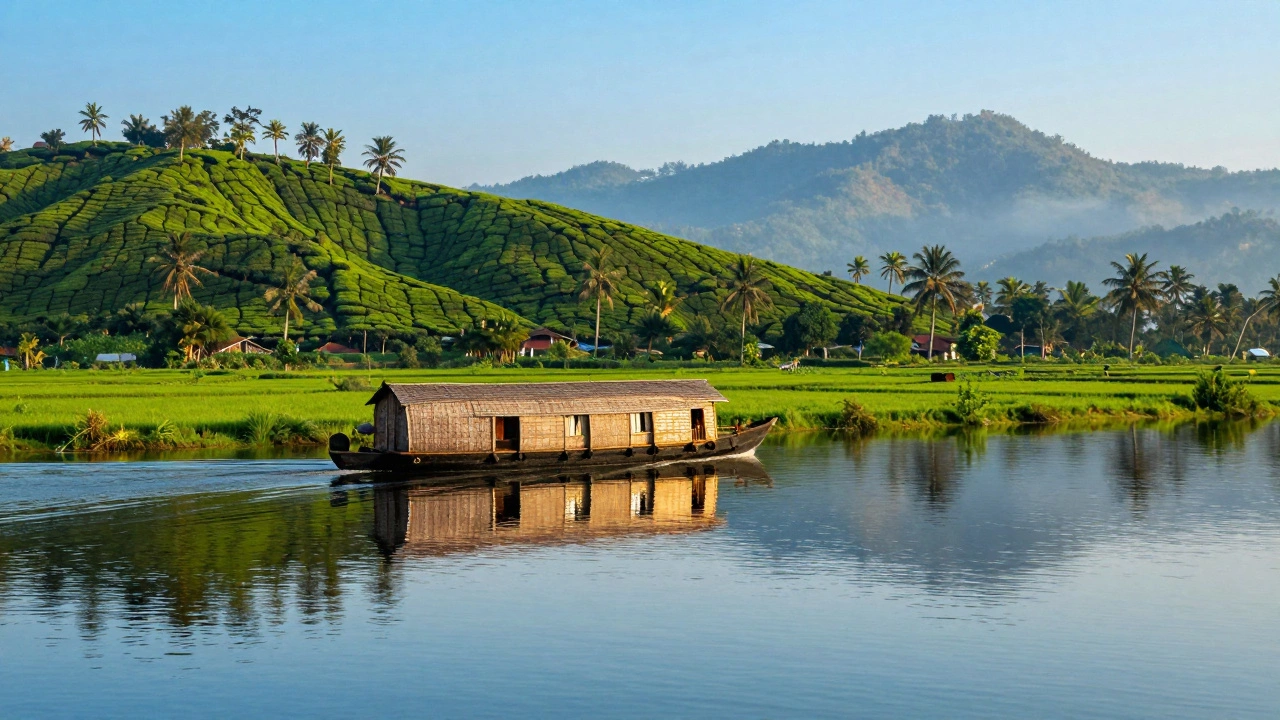
Imagine standing on the back of a houseboat in Kerala, watching mist roll over emerald-green paddy fields. Now imagine that same scene, but you are soaked to the bone because you forgot it is the peak of the monsoon season. Timing your trip to southern India isn't just about comfort; it dictates what you see, what you eat, and how much you spend. Unlike the north, where winter is the undisputed king, the south offers a more nuanced calendar driven by two distinct monsoons.
If you want clear skies for temple hopping in Tamil Nadu, lush greenery for trekking in Karnataka, or perfect beach weather in Goa, you need to know exactly when to go. There is no single "best" month for the entire region, but there is definitely a best month for your specific goals. Here is the breakdown of when to head south, avoiding the sweat, the rain, and the crowds.
The Golden Window: November to February
For most travelers, the period between November and February is the sweet spot. This is the post-monsoon season, often called the winter in India, though "winter" here means pleasant days rather than snow. The humidity drops significantly, making outdoor exploration actually enjoyable. Temperatures hover around 20°C to 30°C (68°F to 86°F), which is comfortable enough for walking tours but warm enough for swimming.
This is the prime time for visiting Kerala. The landscape is at its most vibrant after the Southwest Monsoon has washed everything clean. You will find the tea plantations in Munnar looking like deep green carpets, and the backwaters are calm and inviting. It is also the ideal window for wildlife safaris in places like Periyar National Park, as animals come out to drink from shrinking water bodies.
However, this popularity comes with a price tag. Hotels in Kochi, Alleppey, and Munnar charge premium rates during these months. If you are planning a trip now, book at least two to three months in advance. For those seeking cultural immersion, this is also the best time to visit the temples of Tamil Nadu, such as the Meenakshi Amman Temple in Madurai, without being hindered by extreme heat or heavy rains.
The Beach Lover’s Paradise: January to March
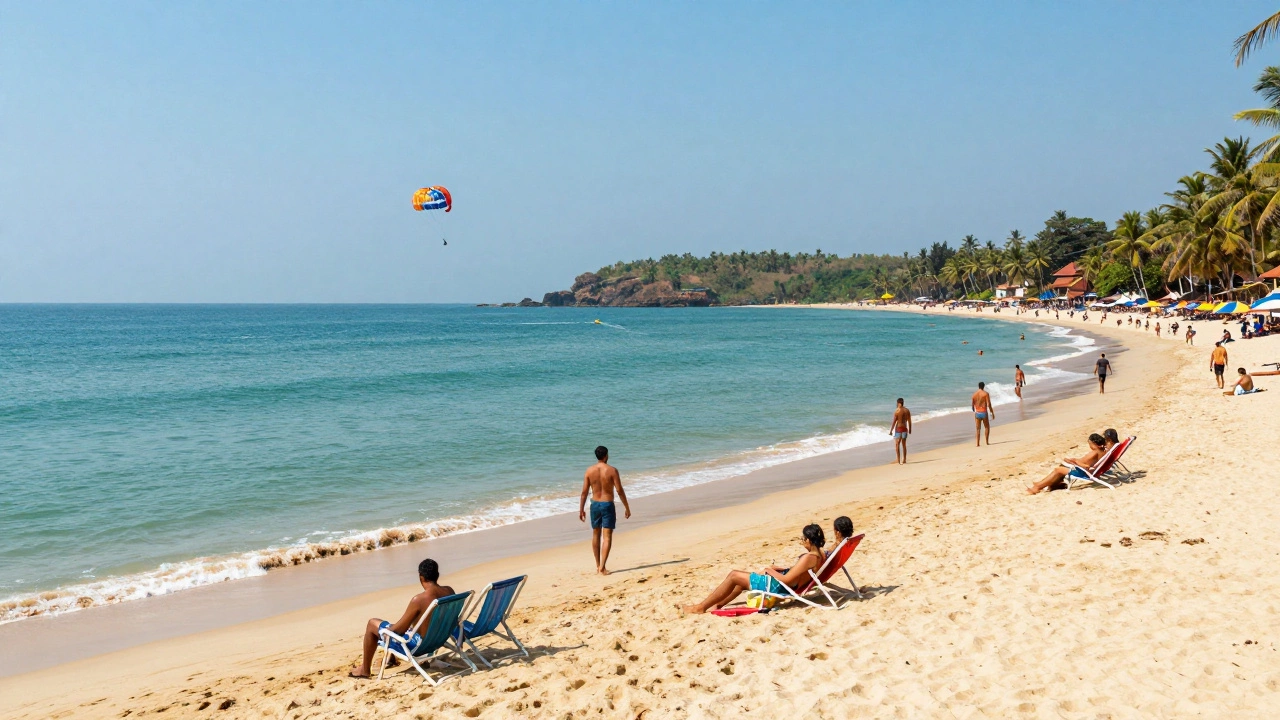
If your primary goal is sun, sand, and sea, aim for January through March. This period marks the transition from the cool winter to the pre-summer warmth. The seas are generally calm, and the weather is sunny with minimal rainfall. This is particularly true for Goa and the coastal stretches of Karnataka.
Goa shines brightest during these months. While December sees the highest number of tourists due to New Year celebrations, January and February offer a slightly more relaxed vibe while still maintaining perfect beach conditions. You can explore the historic churches in Old Goa or relax on Anjuna Beach without worrying about sudden downpours. Water sports like parasailing and jet skiing are safer and more accessible during this dry spell.
In Karnataka, the coast near Mangalore and Gokarna remains pleasant. The beaches here are less commercialized than Goa, offering a quieter retreat. By late March, temperatures begin to rise, so if you prefer cooler breezes, stick to early January or February. This is also a great time for island hopping to the Andaman and Nicobar Islands, although technically part of South India's broader tourism circuit, they require separate logistical planning.
The Green Rush: June to September (Monsoon Season)
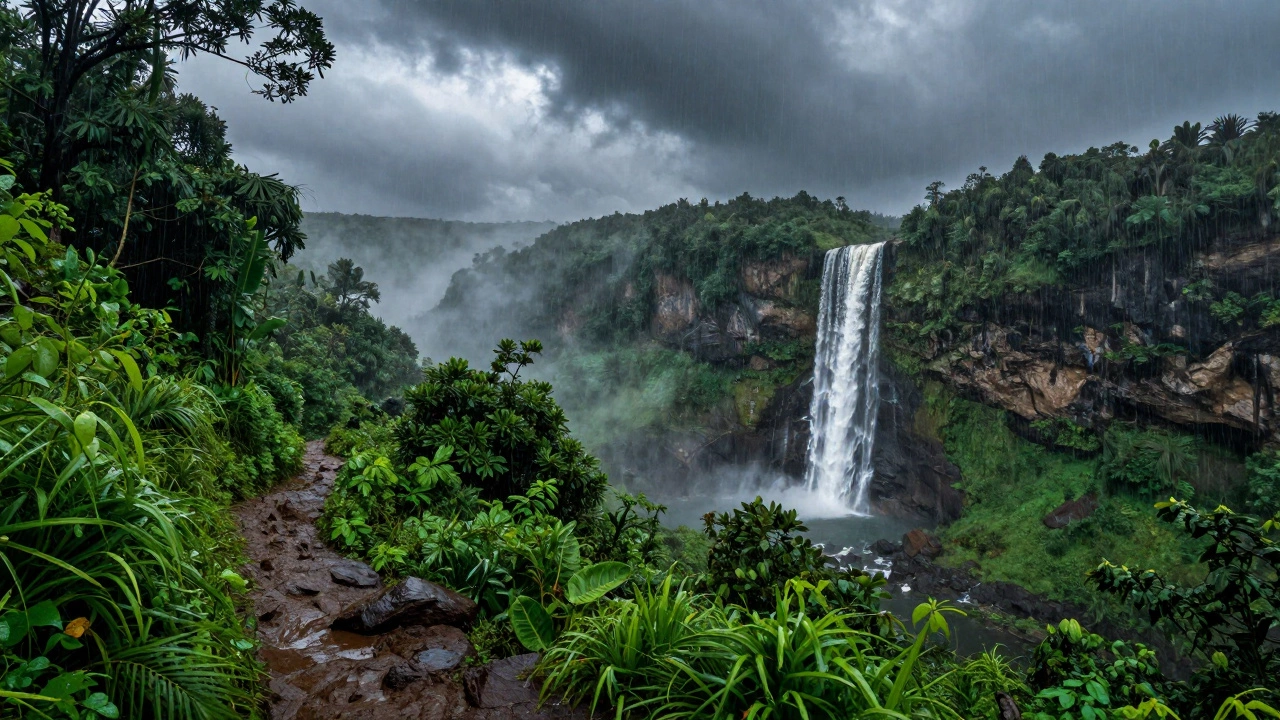
Let’s address the elephant in the room: the monsoon. Many travelers avoid this period, but for a certain type of adventurer, it is magical. The Southwest Monsoon hits Kerala, Karnataka, and Goa between June and September. Rainfall is heavy, sometimes torrential, but it transforms the landscape into a lush, saturated paradise.
Trekking enthusiasts love this time in the Western Ghats. Trails in Coorg and Wayanad become slippery and challenging, yes, but the views of mist-covered valleys and roaring waterfalls are unmatched. If you enjoy photography, the contrast of dark clouds against bright green foliage provides stunning shots. However, be prepared for disruptions. Flights may get delayed, and some remote areas might become inaccessible due to landslides.
One crucial exception is Tamil Nadu. While the rest of South India gets drenched by the Southwest Monsoon, Tamil Nadu receives its rains from the Northeast Monsoon, which occurs later, between October and December. Therefore, June to September is actually one of the driest times in Chennai and Pondicherry. If you want to explore the colonial architecture of Pondicherry or the historical sites of Thanjavur without sweating profusely, this summer window is surprisingly viable, provided you don’t mind the heat.
The Shoulder Seasons: April to May and October
April and May mark the onset of summer. Temperatures can soar above 35°C (95°F), especially in inland areas like Bangalore and Hyderabad. Coastal regions remain more bearable due to sea breezes, but the humidity can be oppressive. This is not the ideal time for extensive sightseeing unless you plan to stay indoors most of the day or focus on evening activities.
October is a transitional month. The Southwest Monsoon retreats, but the Northeast Monsoon hasn't fully arrived yet. In Kerala and Karnataka, this can mean unpredictable weather-some days are sunny, others bring short, sharp showers. It is a good time for budget travelers who want to avoid peak prices but still hope for decent weather. Just pack a light rain jacket and be flexible with your itinerary.
| Month | Kerala | Goa | Tamil Nadu | Karnataka (Inland) |
|---|---|---|---|---|
| January | Pleasant, Dry | Sunny, Calm Sea | Cool, Comfortable | Mild, Pleasant |
| June | Heavy Rain | Heavy Rain | Dry, Hot | Monsoon Begins |
| September | Rain Retreating | Rain Retreating | Pre-Monsoon Heat | Lush, Humid |
| November | Post-Monsoon Green | Sunny, Clear | NE Monsoon Starts | Pleasant, Cool |
Festival Calendar: When Culture Comes Alive
Your timing might also depend on the festivals you wish to experience. Southern India is rich in cultural events that transform towns and cities into vibrant spectacles. Onam, celebrated in Kerala in August or September, is a major harvest festival featuring boat races, traditional dances, and elaborate feasts. Visiting during Onam gives you a deep insight into local traditions, even if it coincides with the tail end of the monsoon.
In Tamil Nadu, Pongal in January is another significant event. It is a four-day harvest festival marked by cooking rice in new pots, decorating cattle, and family gatherings. The atmosphere in rural Tamil Nadu is electric during this time. Meanwhile, Mysore Dasara in Karnataka, usually in September or October, features grand processions, elephants adorned in gold, and night-long cultural performances. These festivals draw huge crowds, so accommodation books up quickly, but the experience is unforgettable.
Budget Considerations: Saving Money vs. Maximizing Experience
If your budget is tight, consider traveling during the shoulder seasons or the monsoon. Hotel rates in Kerala and Goa can drop by 30% to 50% during the rainy months. Domestic flights also tend to be cheaper. However, weigh this savings against potential activity cancellations. Boat rides in the backwaters may be suspended due to high winds, and beach shacks in Goa often close for repairs during the monsoon.
Conversely, the peak season from November to February ensures all attractions are open and operating at full capacity. You pay more, but you get reliability. For luxury travelers, the winter months offer exclusive experiences like private yacht cruises in the Lakshadweep islands or stays in heritage palaces in Mysore, which are only fully accessible during the dry season.
Is December the best month to visit Kerala?
Yes, December is widely considered one of the best months to visit Kerala. The weather is pleasant, with low humidity and minimal rainfall. The landscapes are lush and green from the previous monsoon, making it ideal for backwater cruises and hill station visits. However, expect higher prices and larger crowds due to holiday tourism.
Can I visit Goa during the monsoon season?
You can visit Goa during the monsoon (June to September), but it is not recommended for typical beach holidays. Most beach shacks and water sports operators shut down due to rough seas and safety concerns. However, if you enjoy lush scenery, lower hotel rates, and a quiet, introspective trip, the monsoon has its own charm. Avoid coastal roads if possible due to landslide risks.
When is the best time to visit Tamil Nadu?
The best time to visit Tamil Nadu is from October to January. During these months, the weather is cool and comfortable, perfect for exploring temples and historical sites. Note that Tamil Nadu receives rainfall from the Northeast Monsoon in October and November, so early December to January is the driest and most pleasant period.
Is Bangalore hot in April?
Bangalore is known for its moderate climate year-round, but April can be quite warm, with temperatures reaching up to 35°C (95°F). It is not as unbearable as other Indian cities, but it is the hottest month of the year. If you prefer cooler weather, visit between October and February.
Are houseboats in Kerala available during the monsoon?
Most houseboat operators in Kerala suspend services during the peak monsoon months of July and August due to high water levels and strong winds. Some may operate in June and September with restrictions, but it is best to check with individual providers. For the safest and most scenic experience, choose the post-monsoon period from November to February.