Beginner Trek Matcher
Not sure which peak to tackle first? Answer three quick questions to find the trek that fits your current readiness and preferences.
You’ve got the boots. You’ve watched enough YouTube videos to think you know what altitude sickness feels like. But standing at the base of a Himalayan peak with zero prior experience? That’s a different beast entirely. The biggest mistake beginners make isn’t underestimating the climb-it’s overestimating their readiness for specific terrains and altitudes. If you pick the wrong mountain, you won’t just be tired; you’ll be miserable, potentially injured, or worse, forced to turn back before you even see the summit view.
So, what is the best mountain to climb for a beginner in India? There isn’t one single answer because "beginner" covers a wide spectrum. Are you looking for a weekend hike in the Western Ghats or a week-long expedition in the Himalayas? Do you want snow, green meadows, or rocky ridges? This guide breaks down the top contenders based on difficulty, scenery, and logistics, so you can choose the adventure that actually fits your current fitness level.
Understanding What Makes a Trek "Beginner-Friendly"
Before we list names, let’s define the criteria. A beginner-friendly trek in India generally meets three conditions: it doesn’t require technical climbing gear (ropes, harnesses), the daily ascent is manageable (usually under 10-15km per day with moderate elevation gain), and rescue options are accessible if things go south. Altitude is the silent killer here. Treks above 3,500 meters (approx. 11,500 feet) introduce Acute Mountain Sickness (AMS). For a true first-timer, staying below this threshold or acclimatizing properly is non-negotiable.
The Himalayan Starter Pack: Kedarkantha and Triund
If you’re dreaming of snow-capped peaks and crisp mountain air, the Indian Himalayas offer two distinct starting points depending on your timeline.
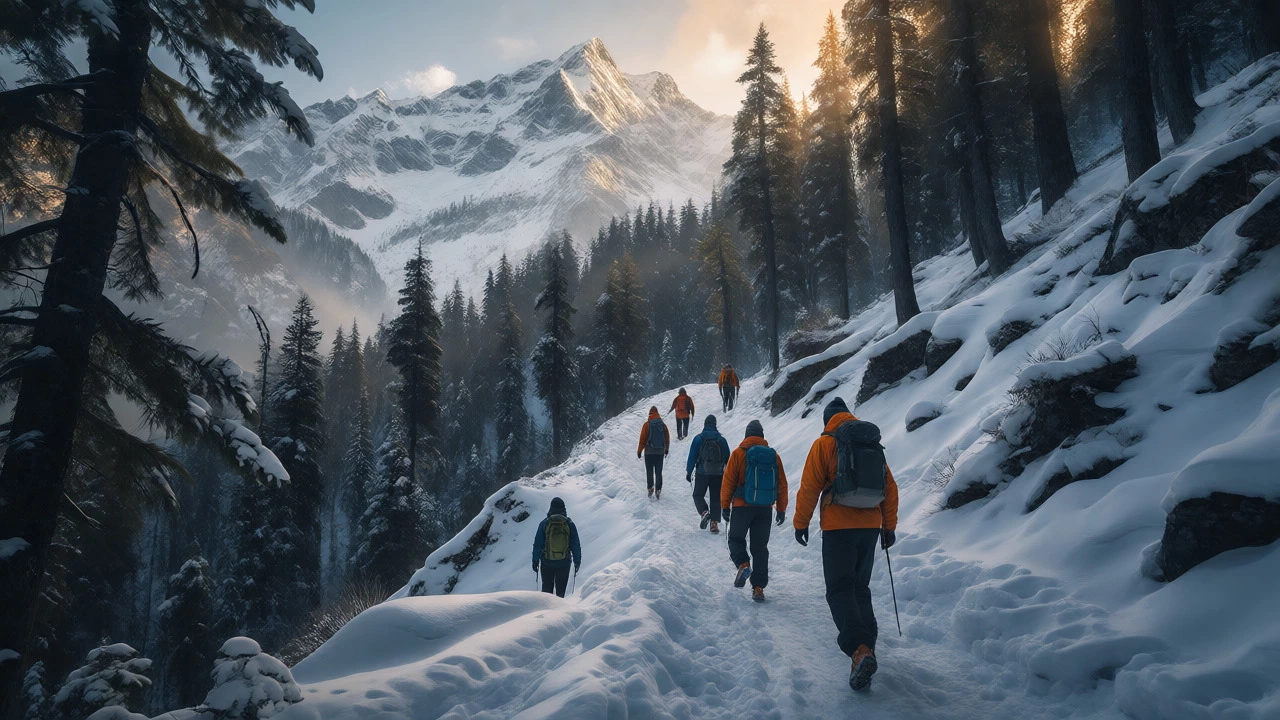
Kedarkantha is arguably the most popular choice for winter and early spring. Why? Because it offers a reliable snow trail without requiring ice axes or crampons for most sections. The trek spans six days, covering about 20 kilometers total. The path winds through dense pine forests, opening up to vast meadows called Bugyals. The final push to the summit happens pre-dawn, rewarding you with a 360-degree view of Swargarohini, Bandarpoonch, and Black Peak. The infrastructure is robust-local guides are plentiful, and campsites are well-established. However, the cold is real. Temperatures drop to -10°C at night, so thermal layers aren’t optional; they’re survival gear.
For those who want the Himalayan vibe but lack the time or budget for a week-long trip, Triund near McLeod Ganj in Himachal Pradesh is the answer. It’s not technically a "mountain climb" in the alpine sense, but rather a steep ridge walk that takes you from 2,082 meters to 2,875 meters in a single day or an overnight stay. The trail is short (9km round trip) but steep. You don’t need a permit, and you can hire a local porter easily. The view of the Dhauladhar range is iconic. It’s perfect for testing your stamina without committing to a remote wilderness expedition.
The Western Ghats: Where Green Meets Cloud
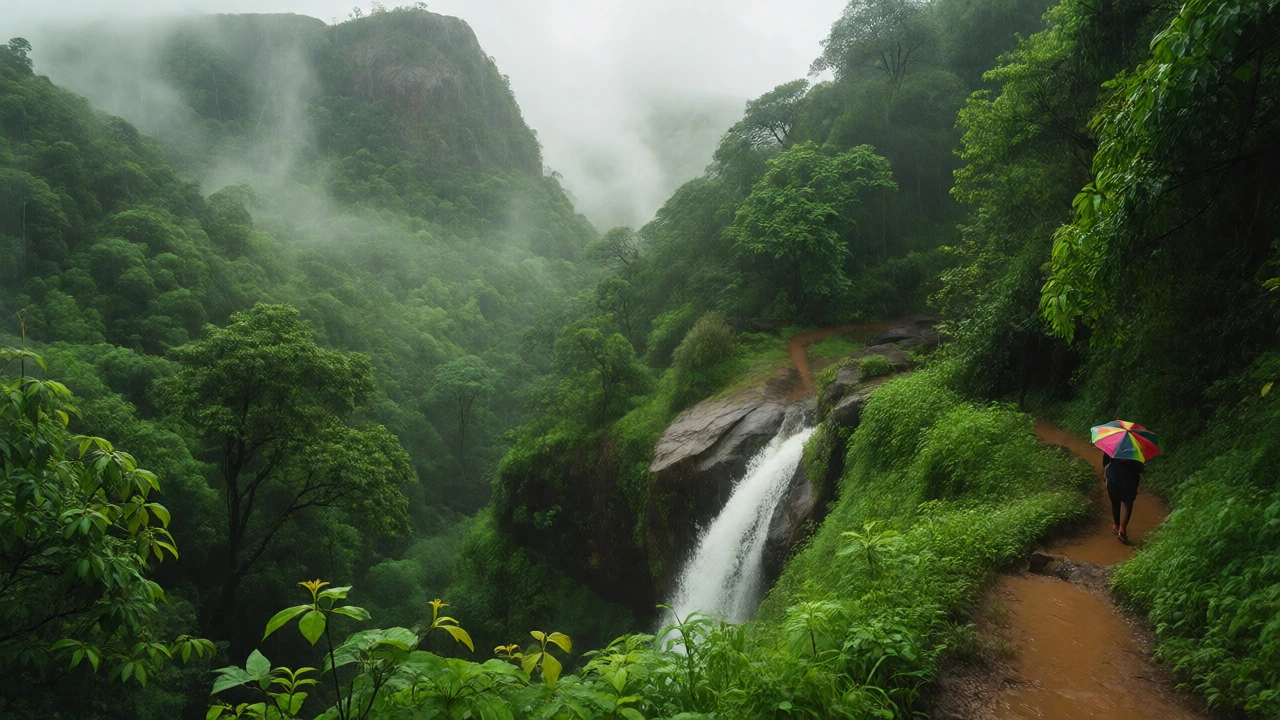
Not everyone wants sub-zero temperatures. The Western Ghats, running parallel to India’s west coast, offer lush, monsoon-fed trails that are softer on the joints and warmer on the body. These treks are ideal for beginners who prefer humidity over hypothermia risks.
Another gem is Codagu Betta in Karnataka. Known locally as Tadiandamol, it’s the highest peak in the Coorg region at 5,584 feet. The trek starts from Nalknad Palace, a heritage site, adding cultural depth to the physical effort. The initial part is a gentle forest walk, followed by a steeper climb through shola forests. It’s a day trek, meaning you start early and return by evening. No camping required, which simplifies packing significantly. The view from the top overlooks the misty valleys of Kodagu, offering a serene alternative to the dramatic peaks of the north.
Northeast India: The Underrated Frontier
Most beginners ignore the Northeast, fearing logistical complexity. Don’t. The hills of Meghalaya and Manipur offer unique biodiversity and fewer crowds than the Himalayas.
Sangla-Tekam in Meghalaya is a two-day trek that introduces you to living root bridges and deep jungle terrain. It’s low altitude (around 1,000 meters), so oxygen levels are normal. The challenge here is the heat and the uneven ground covered in moss and roots. It’s less about endurance and more about balance and agility. The cultural interaction with the Khasi tribe adds value that pure nature treks miss. You’ll likely end your trek with a home-cooked meal in a village homestay, a stark contrast to sleeping in tents.
Comparing the Top Beginner Treks
To help you decide, here’s a breakdown of key attributes. Note that difficulty ratings are subjective and depend on individual fitness, but these reflect general consensus among trekking communities.
| Trek Name | Location | Max Altitude | Duration | Best Season | Key Challenge |
|---|---|---|---|---|---|
| Kedarkantha | Uttarakhand | 12,500 ft | 6 Days | Dec-Apr | Cold & Snow |
| Triund | Himachal Pradesh | 9,350 ft | 1-2 Days | Mar-Jun, Sep-Nov | Steep Gradient |
| Rajmachi | Maharashtra | 2,710 ft | 1 Day | Jun-Feb | Muddy Trails |
| Tadiandamol | Karnataka | 5,584 ft | 1 Day | Oct-Mar | Humidity |
| Sangla-Tekam | Meghalaya | ~3,000 ft | 2 Days | Nov-Mar | Jungle Terrain |
Essential Gear for Your First Climb
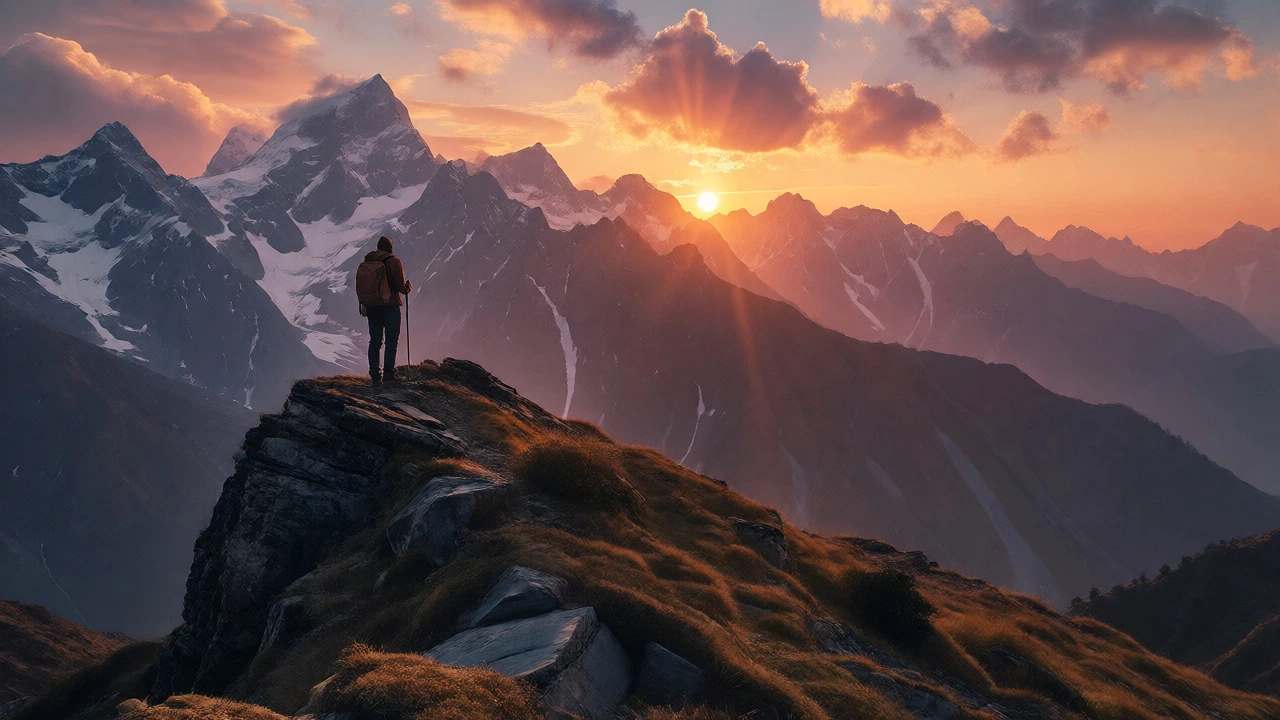
You don’t need to buy $500 boots immediately, but you do need the right basics. Ill-fitting shoes cause blisters, which ruin hikes faster than fatigue. Break in your footwear weeks before the trip. If you’re heading to Kedarkantha, invest in a good thermal inner layer and a windproof shell. Cotton kills in the mountains-it stays wet and sucks heat from your body. Stick to synthetic or wool blends.
- Footwear: Ankle-supporting hiking boots with good grip. Avoid running shoes for rocky or snowy trails.
- Backpack: A 30-40 liter bag with a rain cover. Weight distribution matters more than capacity.
- Hydration: Carry at least 2 liters of water. Dehydration accelerates altitude sickness.
- First Aid: Blister plasters, painkillers, and antiseptic wipes. Add Diamox if going above 10,000 feet (consult a doctor).
Logistics and Safety Tips
Never trek alone as a beginner. Hire a certified local guide. They know the weather patterns, the safe shortcuts, and where the tea stalls are. In the Himalayas, check for mandatory permits. Some areas require registration with the Forest Department. Book accommodations in advance during peak seasons (December-January for snow, October-November for autumn colors). Last-minute bookings often mean sleeping in crowded dormitories or paying triple rates.
Acclimatization is critical for high-altitude treks. Follow the rule: "Climb high, sleep low." If you ascend too quickly, your body can’t adjust to lower oxygen levels. Symptoms of AMS include headache, nausea, and dizziness. If these appear, stop ascending. Rest, hydrate, and descend if symptoms worsen. Ignoring them can lead to pulmonary edema, a serious medical emergency.
Final Thoughts on Choosing Your Mountain
Pick Kedarkantha if you want the full Himalayan experience and don’t mind the cold. Choose Triund if you have limited time but crave big views. Go for Rajmachi or Tadiandamol if you prefer warm, green landscapes and shorter durations. Each offers a unique lesson in mountaineering fundamentals. Start small, respect the mountain, and enjoy the process. The summit is just the bonus; the journey teaches you how to move through the world differently.
Do I need previous trekking experience for Kedarkantha?
No, Kedarkantha is designed for beginners. However, you should be able to walk 5-6 km comfortably on flat ground and have basic cardiovascular fitness. Regular jogging or stair climbing for a month prior helps significantly.
Is solo trekking safe for beginners in India?
It is generally safe on popular routes like Triund or Kedarkantha, provided you join a group or hire a guide. Solo trekking in remote areas like parts of the Northeast requires more experience due to sparse signage and limited mobile connectivity.
What is the cost of a beginner trek in India?
Costs vary widely. A day trek like Rajmachi might cost ₹500-₹1,000 for transport and food. Multi-day organized treks like Kedarkantha typically range from ₹8,000 to ₹15,000, including accommodation, meals, and guide services. DIY treks are cheaper but require more planning.
Can I do these treks during the monsoon?
Western Ghats treks like Rajmachi are best during monsoon (June-September) due to lush greenery. Himalayan treks like Kedarkantha are risky in monsoon due to landslides and heavy rain. Check weather forecasts strictly before booking.
How fit do I need to be for Triund?
Triund is physically demanding despite its short distance. The last 2 km is very steep. If you can climb 50 floors of stairs without stopping, you’ll manage. Otherwise, take frequent breaks and consider hiring a pony for part of the ascent.