Heritage Sites in India: UNESCO Gems, Ancient Cities, and Cultural Treasures
When you think of Heritage Sites in India, officially recognized cultural and natural landmarks protected by UNESCO for their global significance. Also known as UNESCO World Heritage Sites, these places aren’t just old buildings—they’re living proof of India’s layered history, from sacred rituals still practiced today to architectural genius that defies time. India holds 43 of these sites as of 2025, more than any country in South Asia. Each one tells a different story: some are grand palaces and temples, others are forgotten stepwells, ancient forests, or even a quiet university town that changed how the world thinks about education.
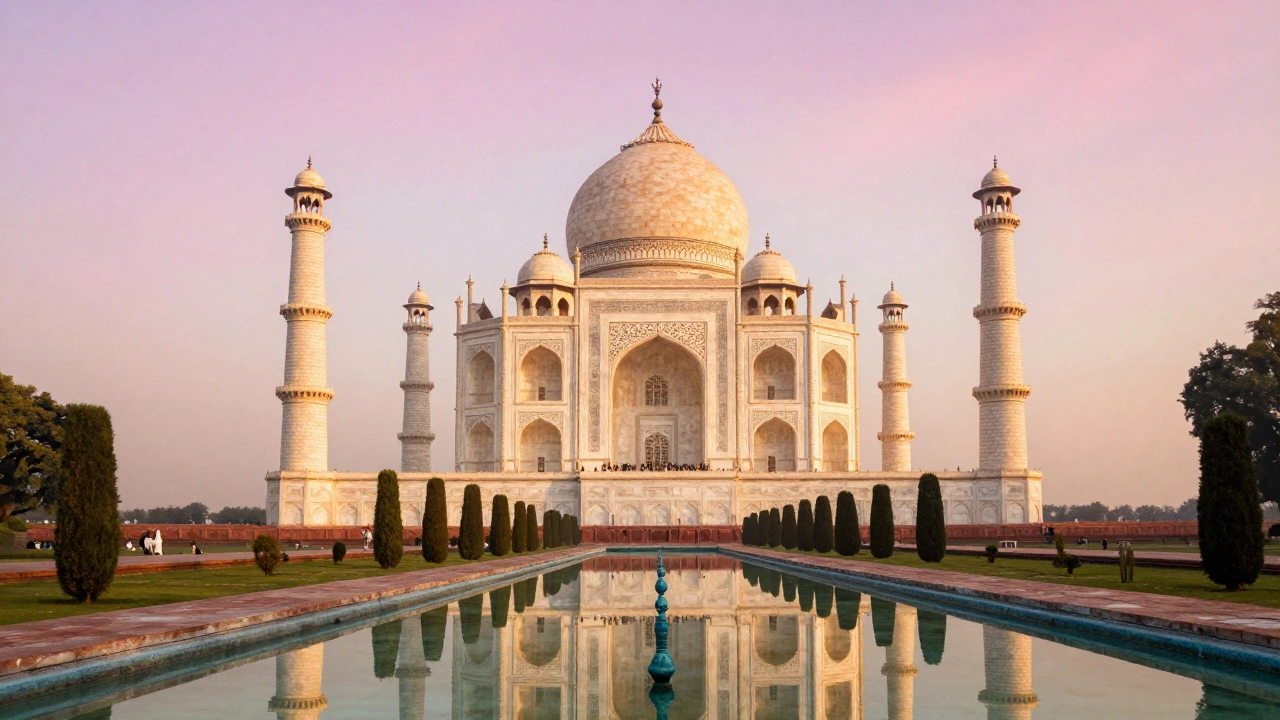
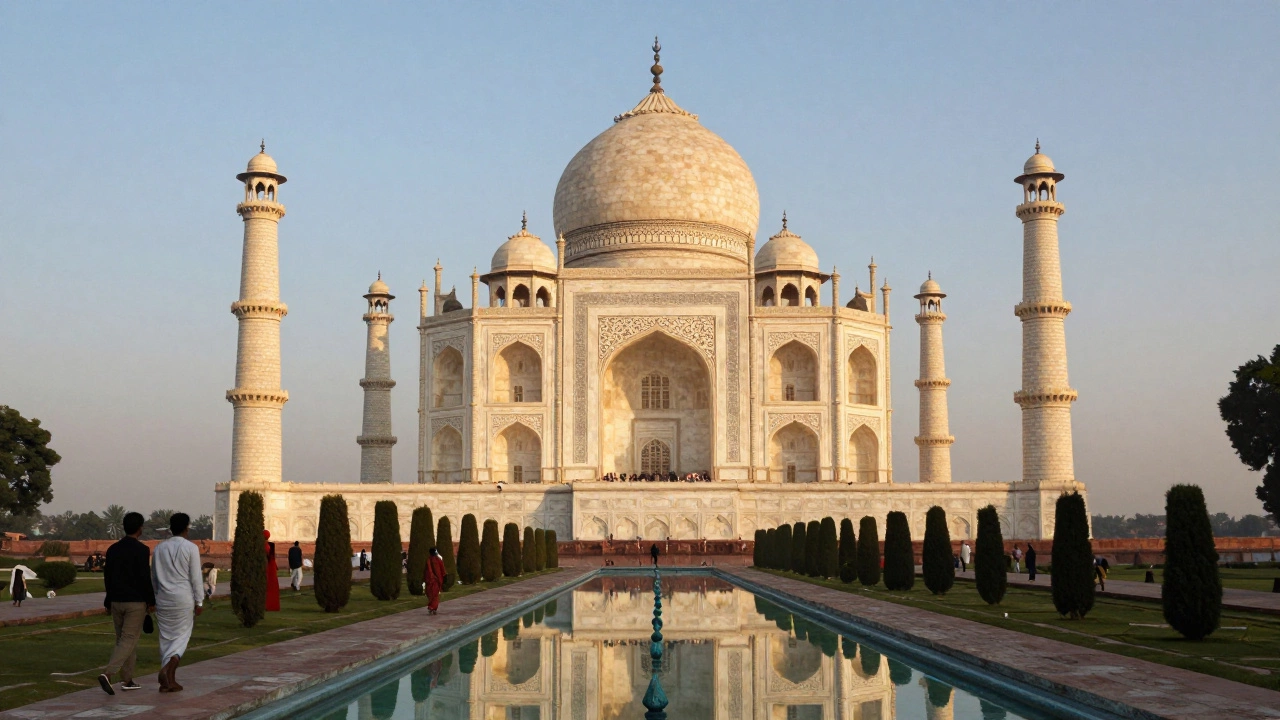
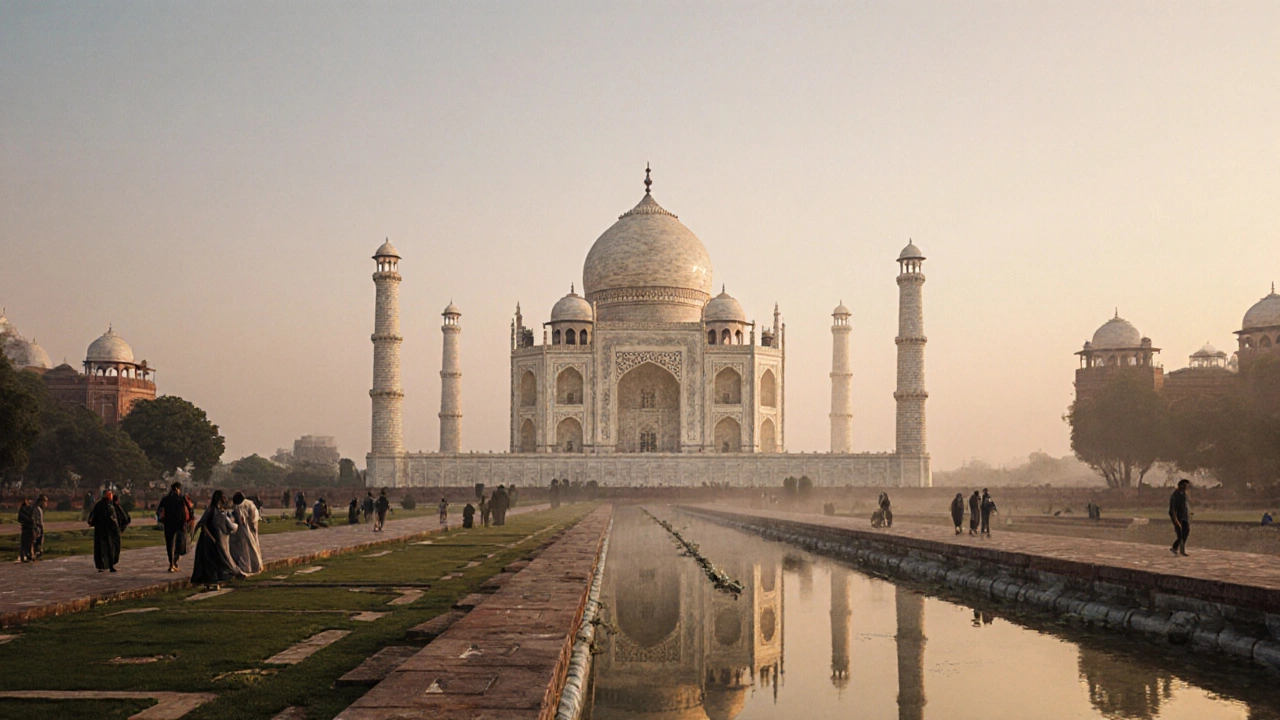
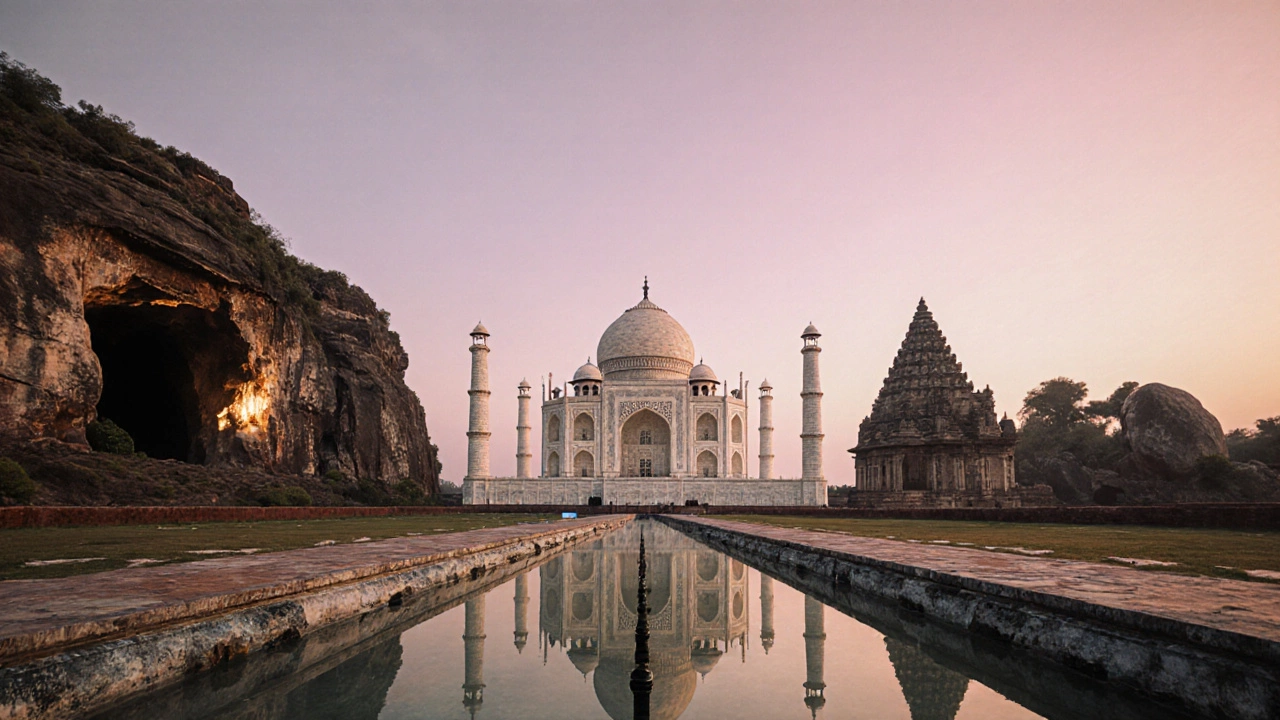
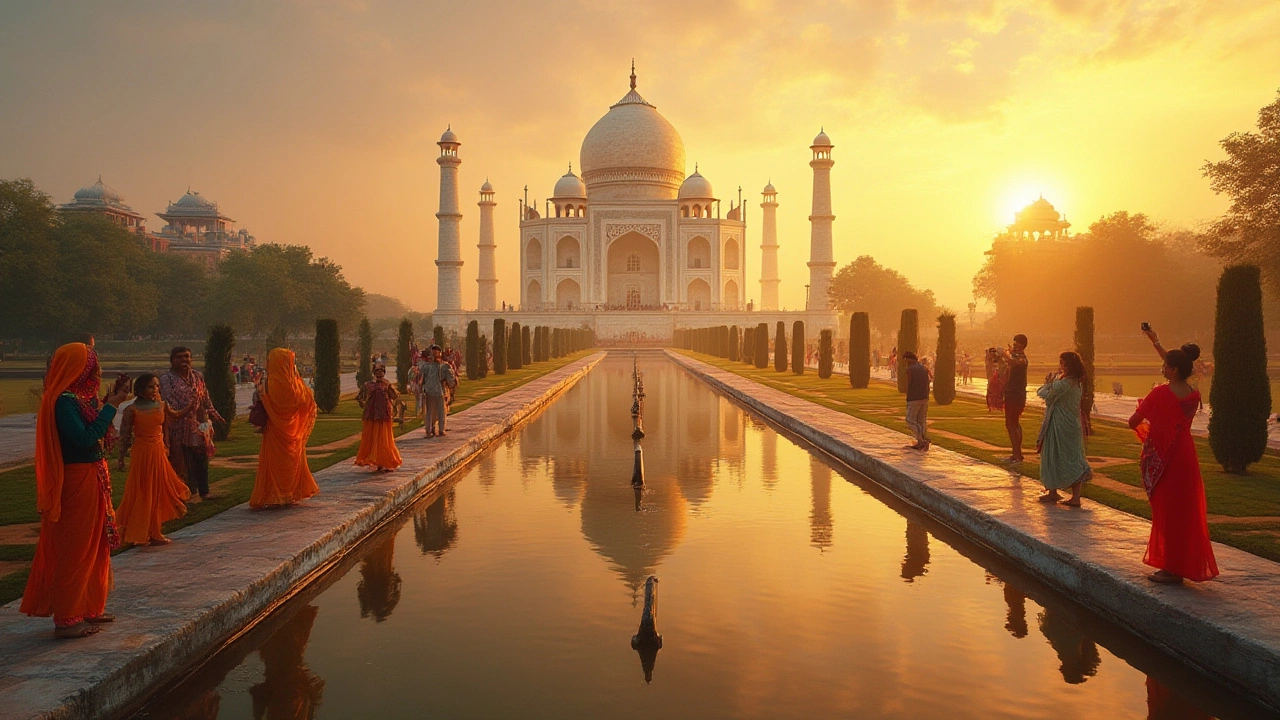
These sites aren’t random. They cluster around key themes—UNESCO World Heritage Sites, designations given by the United Nations to places of outstanding universal value—and fall into three main buckets: cultural, natural, and mixed. The Taj Mahal, the white marble mausoleum in Agra built by Emperor Shah Jahan for his wife is the most famous, drawing millions every year. But there’s more: the Ajanta Caves, rock-cut Buddhist temples with 2,000-year-old paintings still vivid today, were India’s very first UNESCO site. Then there’s Shantiniketan, the rural campus founded by Rabindranath Tagore that blends art, nature, and learning into a global model, added just recently. And don’t forget Maharashtra, the state with the most heritage sites, packed with forts, caves, and ancient cities that feel like stepping into another century.
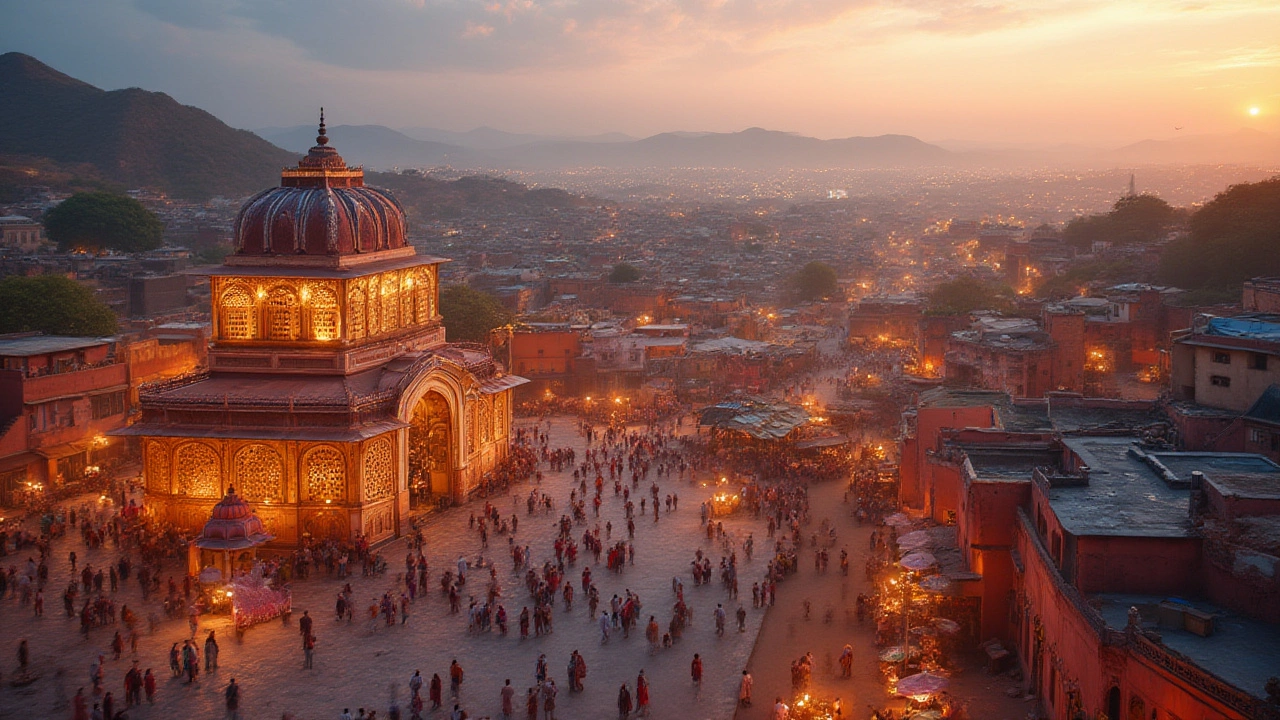
What makes these places special isn’t just their age. It’s how they’re still part of daily life. People pray in temples carved into cliffs. Farmers walk past 1,000-year-old stepwells to fetch water. Children learn in schools built in colonial-era buildings that now double as museums. These aren’t frozen relics—they’re active parts of communities. That’s why visiting them responsibly matters. Crowds can damage stone carvings. Plastic ruins sacred landscapes. The best way to honor these sites? Go slow, listen, and leave nothing but footprints.
Below, you’ll find real, practical guides to India’s most powerful heritage spots. Whether you want to know which site is the most visited, which state holds the richest collection, or why a marine park thousands of miles away is mentioned in an article about Indian history—you’ll find clear answers. No fluff. Just facts, tips, and stories that help you understand why these places still matter.
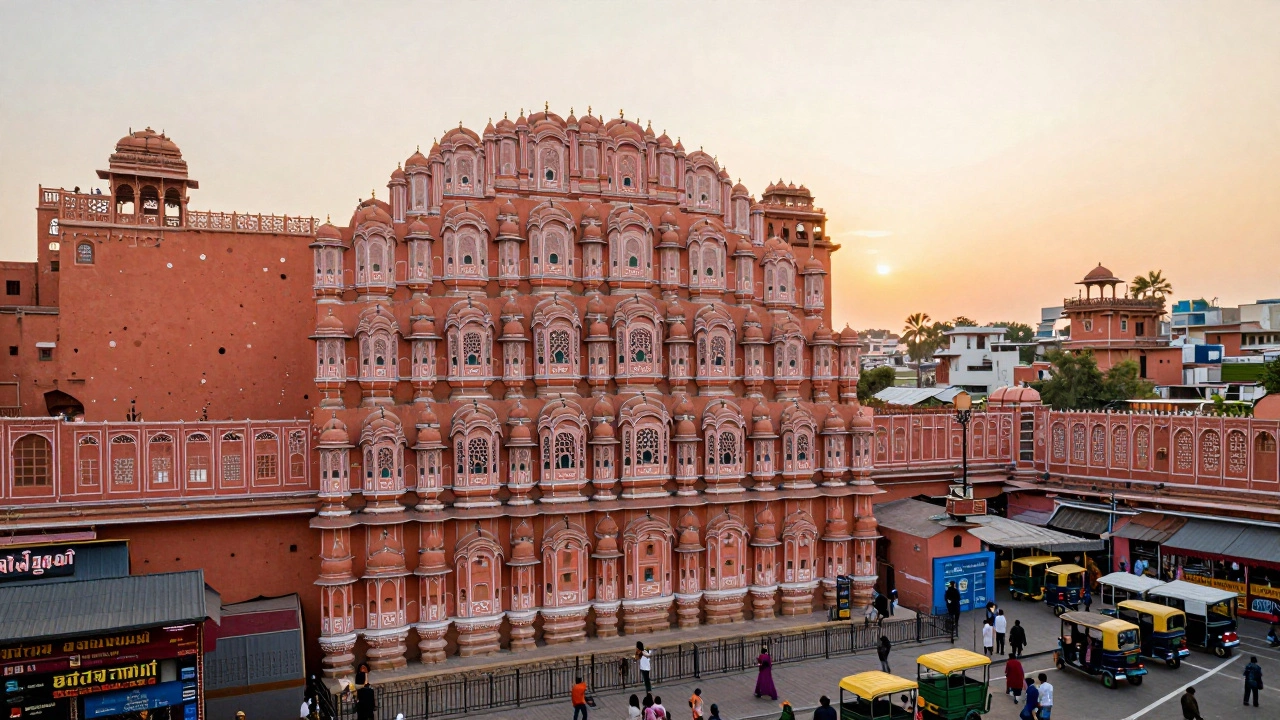
Discover which Indian cities and zones are UNESCO World Heritage Sites. Explore Jaipur, Hampi, Agra, and more in this comprehensive guide to India's cultural treasures.
Discover the complete count of UNESCO World Heritage Sites in India for 2024. Explore the breakdown of 38 cultural and 4 natural sites, including iconic landmarks like the Taj Mahal and Western Ghats.
India's heritage is made up of three distinct types: cultural, natural, and mixed. From the Taj Mahal to the Sundarbans and Khajuraho, each type tells a different story about the country’s past, ecology, and living traditions.
India’s beauty isn’t about looks-it’s in the people who keep heritage alive. From Rajasthan’s silver jewelry to Kerala’s silk saris, true beauty lives in tradition, not tourism.
India has 43 UNESCO World Heritage Sites as of 2025, ranging from the Taj Mahal to ancient stepwells and sacred forests. Discover the full list, recent additions, and how to visit them responsibly.
Explore India's top heritage sites, learn what makes each unique, and find the perfect destination for your travel plans with expert tips and a handy comparison table.
Discover why Papahānaumokuākea Marine National Monument is the largest natural World Heritage site, its significance, how it compares to other giants, and tips for responsible visitation.
Discover which country claims the most world heritage sites, why these places matter, and what makes Italy and China top the UNESCO list right now.
Explore which city in India boasts the most beautiful architecture, from ancient forts to grand palaces, vibrant temples, and a blend of styles.
Discover which UNESCO World Heritage Site draws the biggest crowds, why it's so famous, and useful tips for planning your own unforgettable trip.
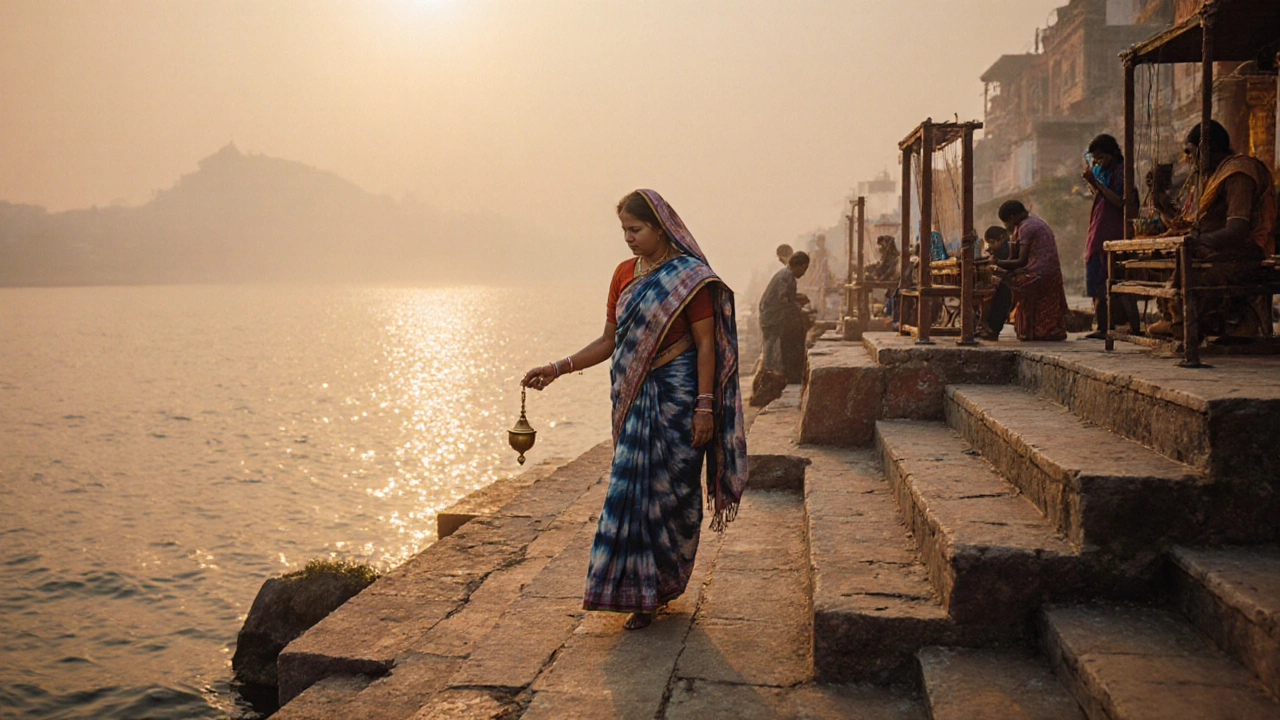
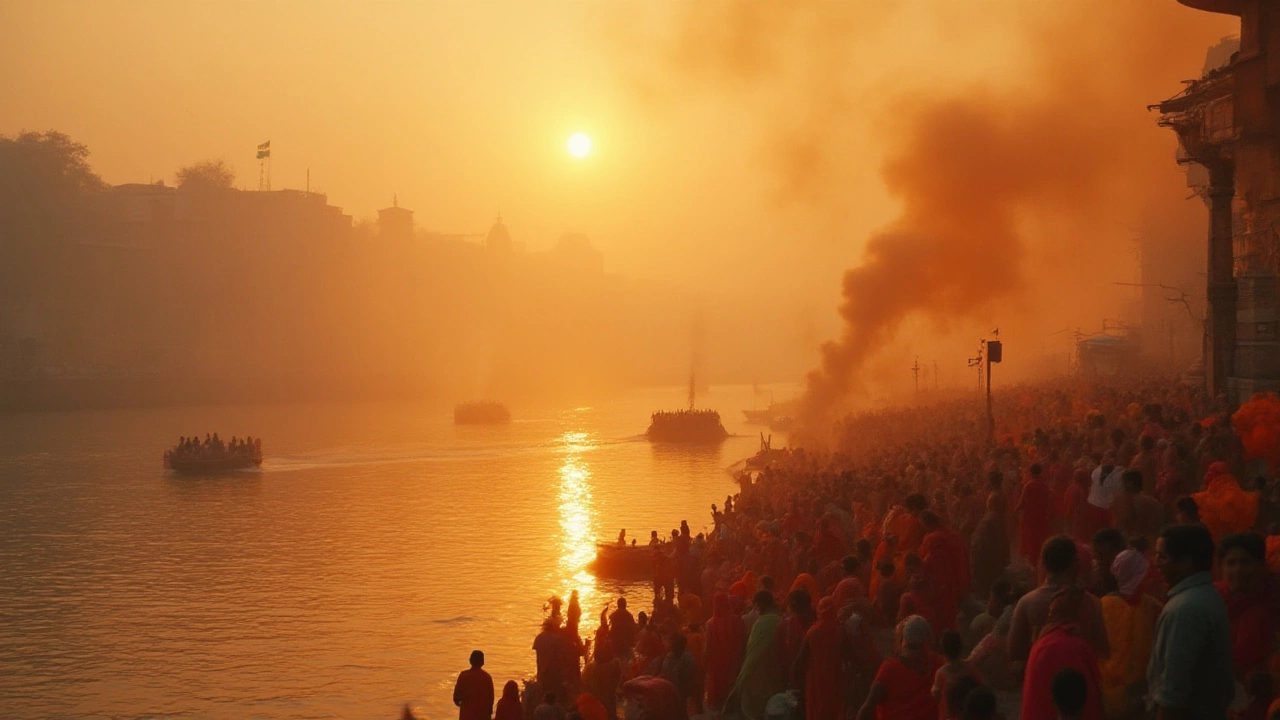
Explore the mystery of India's most ancient places, from Varanasi’s timeless ghats to ancient cities that predate history itself. Dive into their secrets, stories, and living legends.
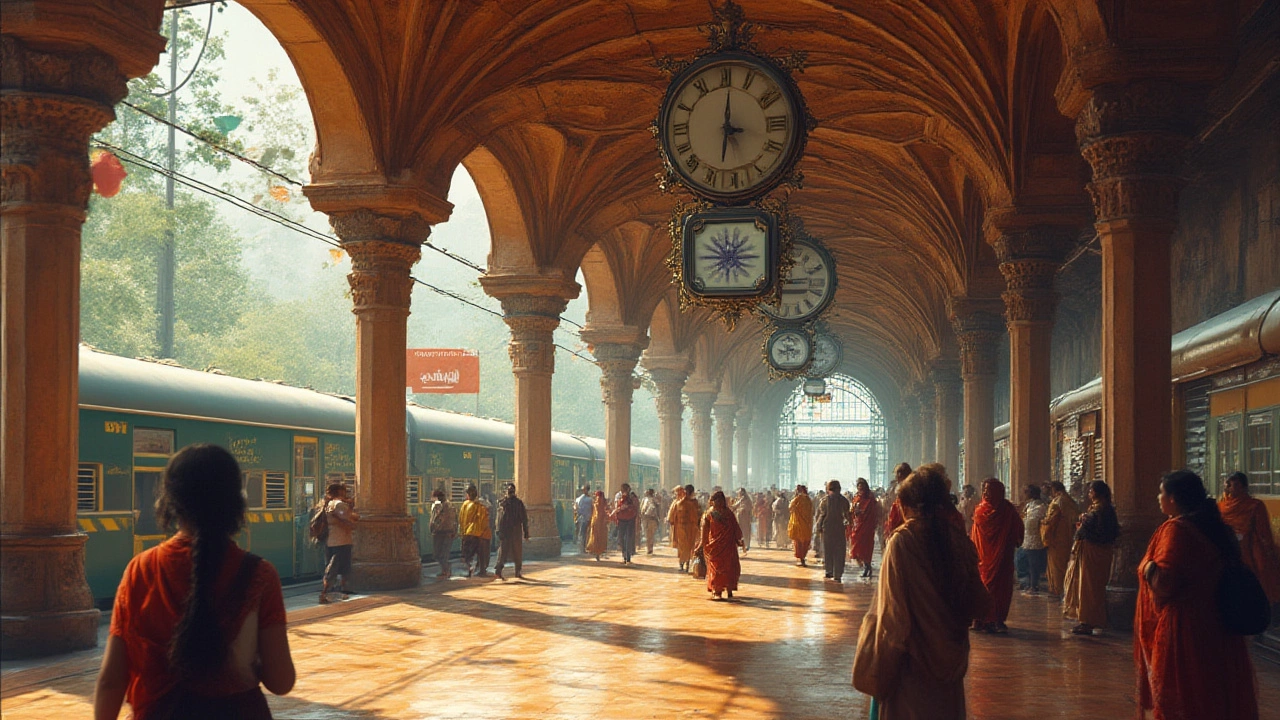
Explore the world's most beautiful train stations, their jaw-dropping architecture, rich history, and practical travel tips. Find out which is the prettiest—and why.